
 EN
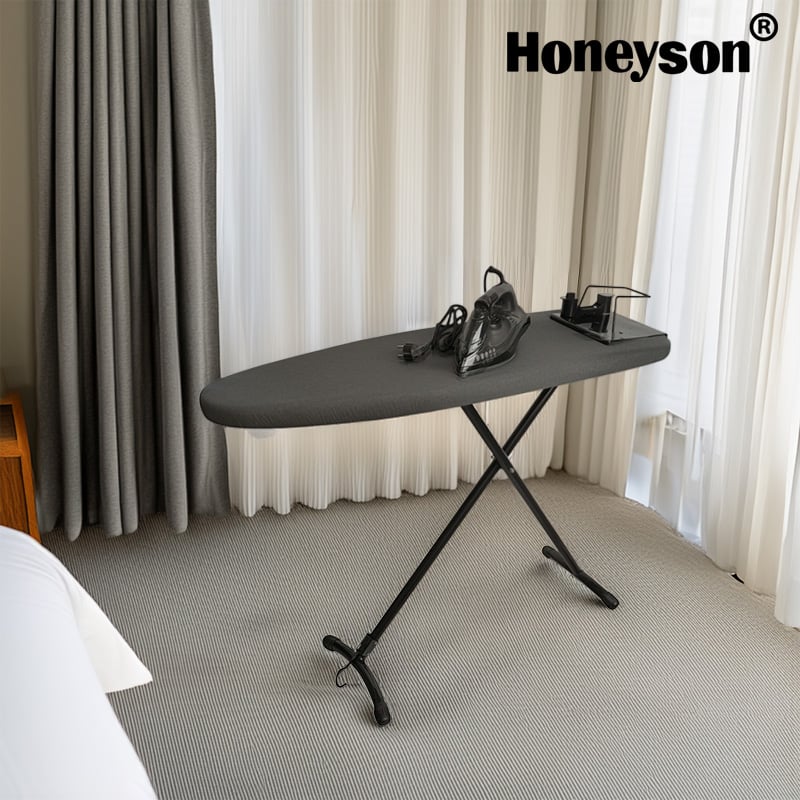
Choosing the right material for an ironing board frame is a critical decision that impacts both performance and long-term value. Steel and aluminum represent the two dominant material choices in the ironing board market, each offering distinct advantages and trade-offs. Whether you are sourcing an OEM ironing board for commercial production or selecting a foldable ironing board for household use, understanding the differences between steel and aluminum frames will help you make an informed decision that aligns with your specific requirements.

The choice between these materials affects not only the immediate cost of production but also the durability, weight capacity, maintenance requirements, and overall user experience. A hotel ironing board must withstand intensive daily use, while a home foldable ironing board prioritizes portability and storage efficiency. This comprehensive comparison will guide you through the essential factors that should influence your material selection.
Weight and Portability Characteristics
Steel Frame Weight and Handling
Steel frames are considerably heavier than their aluminum counterparts, typically weighing between 8 and 15 pounds depending on the frame design and thickness. This added weight contributes to stability during use, which is particularly valuable in high-traffic environments where an ironing board might experience accidental bumps or pressure from multiple angles. For a hotel ironing board that remains stationary in guest rooms, this weight is not a significant disadvantage. However, for users who frequently transport their foldable ironing board between locations or store it in tight spaces, the extra weight becomes a meaningful consideration.
Aluminum Frame Portability
Aluminum frames typically weigh between 4 and 8 pounds, making them substantially lighter and more convenient for portable applications. This weight advantage is particularly attractive for OEM ironing board manufacturers designing products for markets where portability is valued, such as travel-focused or compact home solutions. The lighter weight does not necessarily compromise stability when the frame is properly engineered with adequate cross-bracing and leg support. For users who prioritize easy handling and compact storage, an aluminum foldable ironing board delivers clear practical benefits.
Cost Considerations and Manufacturing Economics
Material and Production Costs
Steel remains the more economical material from a raw material perspective, with lower per-unit costs that benefit OEM ironing board producers working with tight margin requirements. Steel manufacturing processes are well-established and widely available, which helps keep production costs predictable and competitive. Aluminum, while lightweight, commands a higher price per pound in the commodities market, though this difference has narrowed over time. For an ironing board destined for high-volume commercial production, the cumulative cost difference across thousands of units can be substantial.
Long-Term Value and Total Cost of Ownership
While aluminum carries a higher upfront material cost, its superior corrosion resistance can reduce long-term maintenance and replacement expenses, particularly in humid environments like hotel laundry facilities. Steel frames require protective coatings such as powder coating or paint to prevent rust, and these protective layers may require periodic maintenance or reapplication. An OEM ironing board manufacturer must consider not only the initial production cost but also warranty obligations and customer satisfaction implications. In hospitality settings where an ironing board experiences daily use and moisture exposure, aluminum's lower lifetime cost may justify its higher initial price.
Durability and Performance Under Load
Steel Strength and Structural Integrity
Steel offers superior tensile strength compared to aluminum, meaning it can support heavier loads and resist deformation under pressure more effectively. This property makes steel frames ideal for heavy-duty applications where an ironing board might support substantial weight from industrial garments or prolonged pressing sessions. The structural rigidity of steel reduces frame flex and wobble, contributing to a more stable working surface. For commercial applications where reliability and performance consistency matter most, steel delivers proven durability over extended periods of intensive use.
Aluminum Durability and Fatigue Resistance
Aluminum exhibits excellent fatigue resistance, meaning it maintains structural integrity through repeated folding and unfolding cycles without developing cracks or permanent deformation. A foldable ironing board made from aluminum can withstand thousands of deployment and storage cycles while remaining fully functional. Aluminum naturally resists corrosion due to the protective aluminum oxide layer that forms on its surface, eliminating the need for additional protective coatings in most environments. This inherent corrosion resistance makes an OEM ironing board or hotel ironing board manufactured from aluminum particularly suitable for humid settings where steel would require ongoing maintenance.
Practical Application Scenarios
Commercial and Hospitality Use Cases
Hotels and commercial laundry facilities often specify steel ironing board frames because the stability and strength align with high-volume operational demands. A hotel ironing board must perform consistently across hundreds of guest interactions without degradation. The weight of a steel frame actually enhances user confidence and perceived quality, as the solid feel reflects durability. However, properties in coastal or highly humid regions may benefit from aluminum frames due to superior corrosion resistance, which reduces maintenance costs over the board's service life.
Residential and Portable Applications
Home users and apartment dwellers typically prefer the lightweight characteristics of an aluminum foldable ironing board, which simplifies storage and handling. The portability advantage makes aluminum frames particularly attractive for users with limited storage space or those who travel frequently with their ironing boards. Aluminum's natural corrosion resistance also means less concern about rust stains on clothing or deterioration in laundry rooms. For residential applications prioritizing convenience and low maintenance, aluminum delivers meaningful practical advantages.
FAQ
Which material is better for a hotel ironing board?
Steel frames are traditionally preferred for hotel ironing boards due to their superior strength and stability under high-use conditions. However, aluminum frames are gaining adoption in hospitality settings because their corrosion resistance reduces maintenance costs and extends service life in humid environments. The best choice depends on your specific climate, usage intensity, and maintenance capabilities. An aluminum OEM ironing board may actually deliver better total cost of ownership in coastal hotels where rust prevention requires ongoing attention with steel frames.
Are foldable ironing boards better made from aluminum or steel?
A foldable ironing board benefits significantly from aluminum's lightweight properties, which improve portability and ease of storage. Aluminum's fatigue resistance also ensures the frame remains structurally sound through countless folding cycles. Steel foldable ironing boards are heavier but offer greater stability when deployed. The choice depends on whether you prioritize easy handling and storage or maximum stability and load capacity during use.
What is the expected lifespan difference between steel and aluminum ironing board frames?
Both materials can deliver 10+ years of service life when properly designed and maintained. Steel frames require protective coatings and occasional maintenance to prevent rust, while aluminum frames resist corrosion naturally. In humid environments, an aluminum OEM ironing board may outlast a steel frame that lacks diligent maintenance. In dry climates with consistent maintenance, both materials perform comparably. The actual lifespan depends more on frame design, coating quality, and usage intensity than the base material alone.
