
 EN
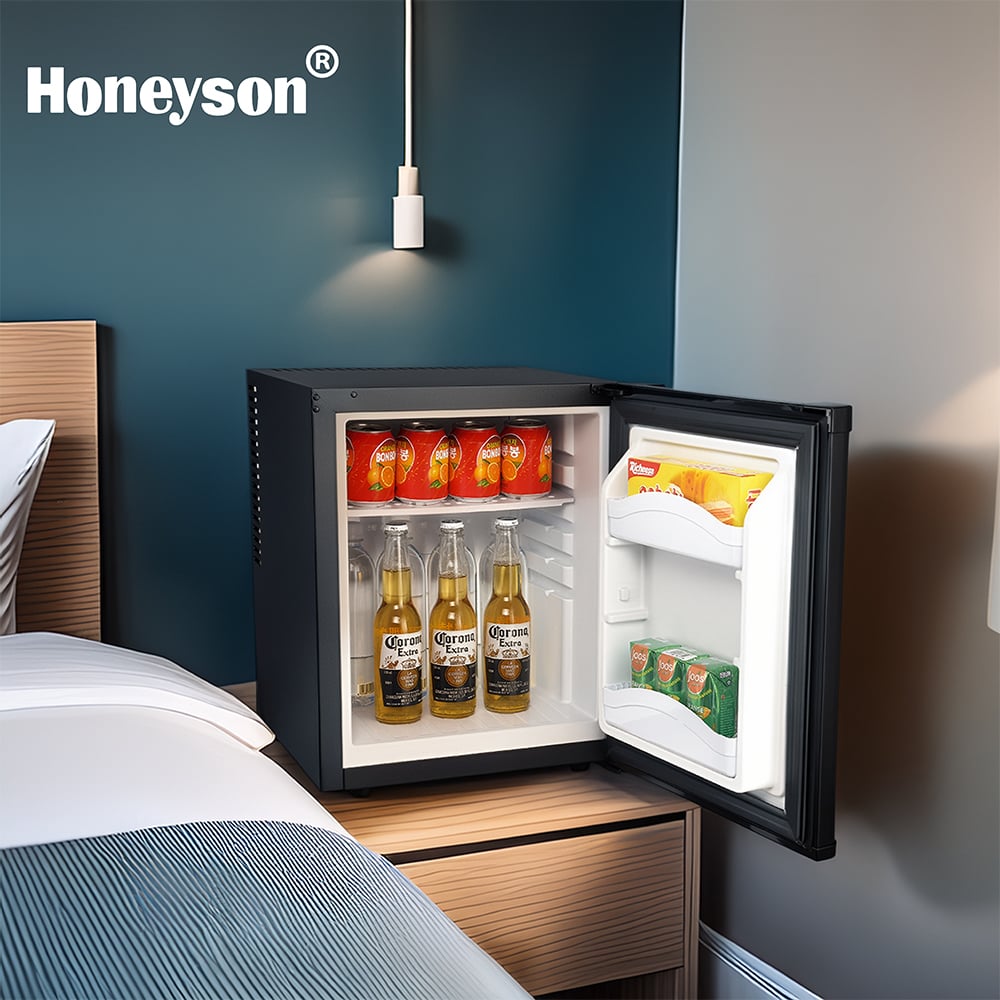
Quality complaints following hotel equipment rollouts can undermine guest satisfaction and operational efficiency. When new hotelic systems, furniture, or appliances are deployed across properties, performance issues, compatibility concerns, and installation errors often emerge unexpectedly. Understanding the root causes and implementing structured troubleshooting protocols helps hotel operators resolve these problems quickly, minimize downtime, and protect their brand reputation. This guide provides practical strategies for diagnosing and addressing quality complaints that arise during and after major hotel room equipment installations.
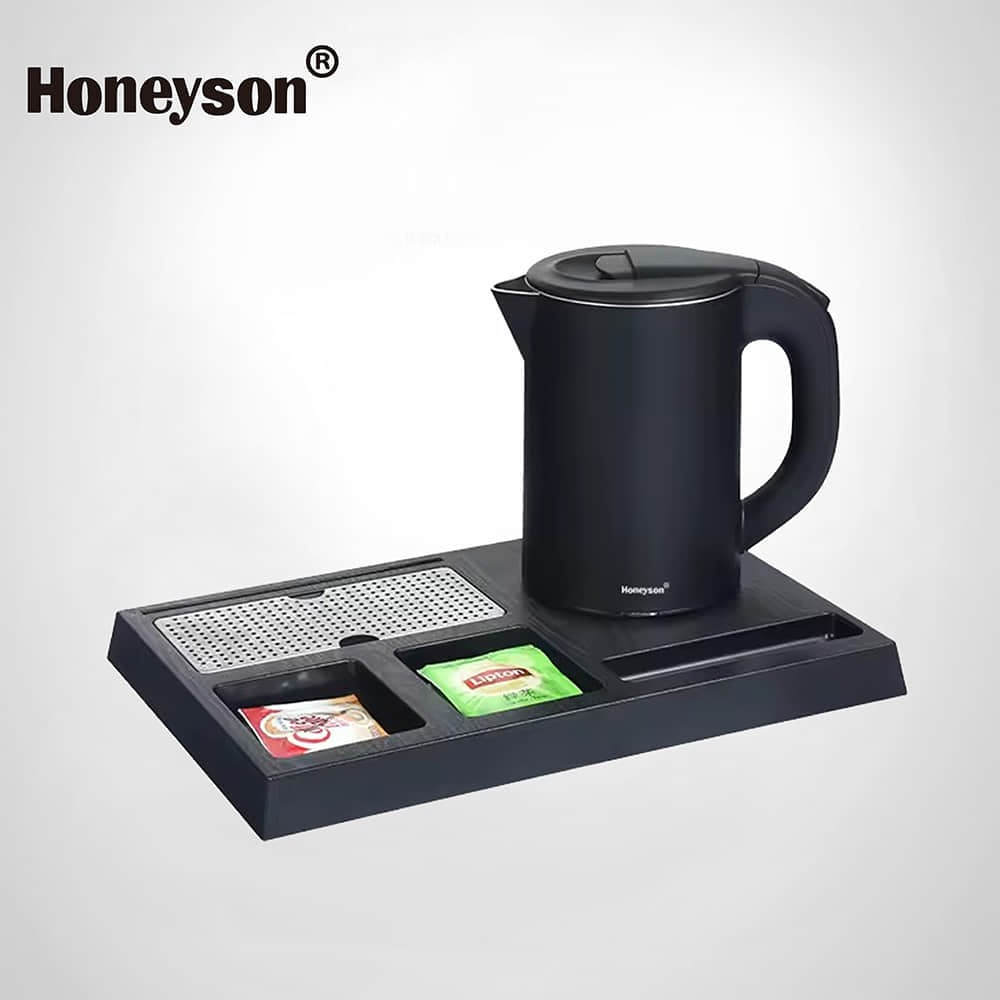
Hotel equipment rollouts represent significant capital investments and operational transitions. Issues with hotel electrical products, room fixtures, or OEM hotel equipment can cascade across multiple guest rooms, generating complaints and negative reviews. Early detection, systematic investigation, and effective communication with equipment vendors are essential to maintaining service quality and guest trust during these critical periods.
Identifying Root Causes of Quality Complaints
Common Failure Points in New Hotel Room Equipment
When hotels deploy new hotel room equipment, failures typically occur in specific areas. Manufacturing defects, shipping damage, improper installation, or inadequate training all contribute to quality issues. OEM hotel equipment sometimes arrives with factory flaws that only become apparent during actual guest use. Electrical products may fail due to voltage incompatibility, faulty wiring, or insufficient power supply capacity. Identifying which category applies to your complaints shapes your remediation strategy and determines whether the issue rests with the supplier, installer, or internal operations.
Guest Experience and Complaint Documentation
Each guest complaint contains diagnostic clues. Patterns in complaints—such as all failures occurring in one floor, specific room types, or particular shifts—reveal systemic issues rather than random defects. Document exact failure modes, timing, frequency, and environmental conditions. This data strengthens communication with OEM hotel equipment vendors and helps your maintenance team prioritize repairs. Hotels that systematically log complaints often discover that early intervention would have prevented widespread disruption had root causes been identified sooner.
Systematic Troubleshooting and Resolution Protocols
Step-by-Step Diagnostic Approach
Begin by isolating affected units and testing them outside the guest room environment. This determines whether failures are inherent to the hotel electrical products themselves or related to room-specific factors like power delivery, humidity, or integration with existing systems. Contact your OEM hotel equipment supplier with detailed failure documentation and request replacement, repair, or technical guidance. Simultaneously, inspect installation records to verify that equipment was configured according to specifications and that all necessary calibration steps were completed. Many quality complaints resolve once installers reconfigure systems or correct voltage settings.
Vendor Communication and Resolution Timeline
Establish clear communication protocols with your equipment supplier immediately after complaints emerge. Provide photographs, serial numbers, failure descriptions, and guest impact details. Request acknowledgment of the issue and a concrete resolution timeline. The hotelic supplier relationship matters greatly—responsive vendors prioritize replacements or technical support, while unresponsive vendors leave hotels vulnerable. If response times exceed acceptable thresholds, escalate internally and consider whether future purchases should include supplier performance guarantees and rapid replacement clauses.
Preventing Future Quality Issues During Rollouts
Pre-Deployment Testing and Staff Training
Before widespread deployment, conduct pilot installations in a controlled environment. Test hotel room equipment under simulated guest usage patterns to expose flaws before they affect paying guests. Ensure all maintenance and housekeeping staff receive hands-on training on the new equipment, including troubleshooting basic issues. Many quality complaints stem from operator error or misunderstanding of proper use. Hotels that invest in thorough staff training see significantly fewer complaints and faster problem resolution when issues do occur. Documentation of training completion also protects the hotel if disputes with suppliers arise regarding fault attribution.
Contractual Protections and Warranty Leverage
When purchasing hotel electrical products and OEM hotel equipment, negotiate warranties that include rapid replacement provisions and supplier liability for defects. Specify acceptable failure rates and performance standards. Build penalty clauses into contracts if hotel room equipment fails to meet uptime requirements during the first six months post-deployment. Request extended support periods during the rollout phase. These contractual protections shift accountability toward vendors and incentivize them to deliver quality products and support robust installation and troubleshooting assistance.
FAQ
What should I do immediately after receiving quality complaints following a hotelic equipment rollout?
Document all complaints in detail, including failure mode, room location, and guest impact. Immediately contact your OEM hotel equipment supplier with this information and request urgent technical support or replacement. Simultaneously, inspect installation records and conduct diagnostic testing on affected units to determine whether failures are inherent defects or installation-related issues. Communicate transparently with affected guests about corrective action.
How can I distinguish between manufacturing defects and installation errors in new hotel room equipment?
Test failed units outside the guest room environment using standard power sources and configurations. If equipment works correctly outside the room, the issue is likely environmental or installation-related. If equipment fails in isolation, the defect is likely inherent to the hotel electrical products or OEM hotel equipment itself. Compare failure patterns across multiple units and rooms—widespread identical failures suggest manufacturing issues, while isolated or location-specific failures suggest installation or environmental factors.
What contractual language should I include when purchasing hotel room equipment to protect against quality issues?
Include clauses specifying acceptable defect rates, rapid replacement timelines for failures within the first year, supplier liability for installation errors, extended warranty periods, and penalty clauses if equipment fails to meet uptime standards. Define 'defect' clearly and establish a dispute resolution process. Require the OEM hotel equipment supplier to maintain adequate stock for replacements and provide on-site technical support during the rollout phase. These protections ensure vendors are incentivized to deliver quality and support throughout the transition period.
Table of Contents
- Identifying Root Causes of Quality Complaints
- Systematic Troubleshooting and Resolution Protocols
- Preventing Future Quality Issues During Rollouts
-
FAQ
- What should I do immediately after receiving quality complaints following a hotelic equipment rollout?
- How can I distinguish between manufacturing defects and installation errors in new hotel room equipment?
- What contractual language should I include when purchasing hotel room equipment to protect against quality issues?
