
 EN
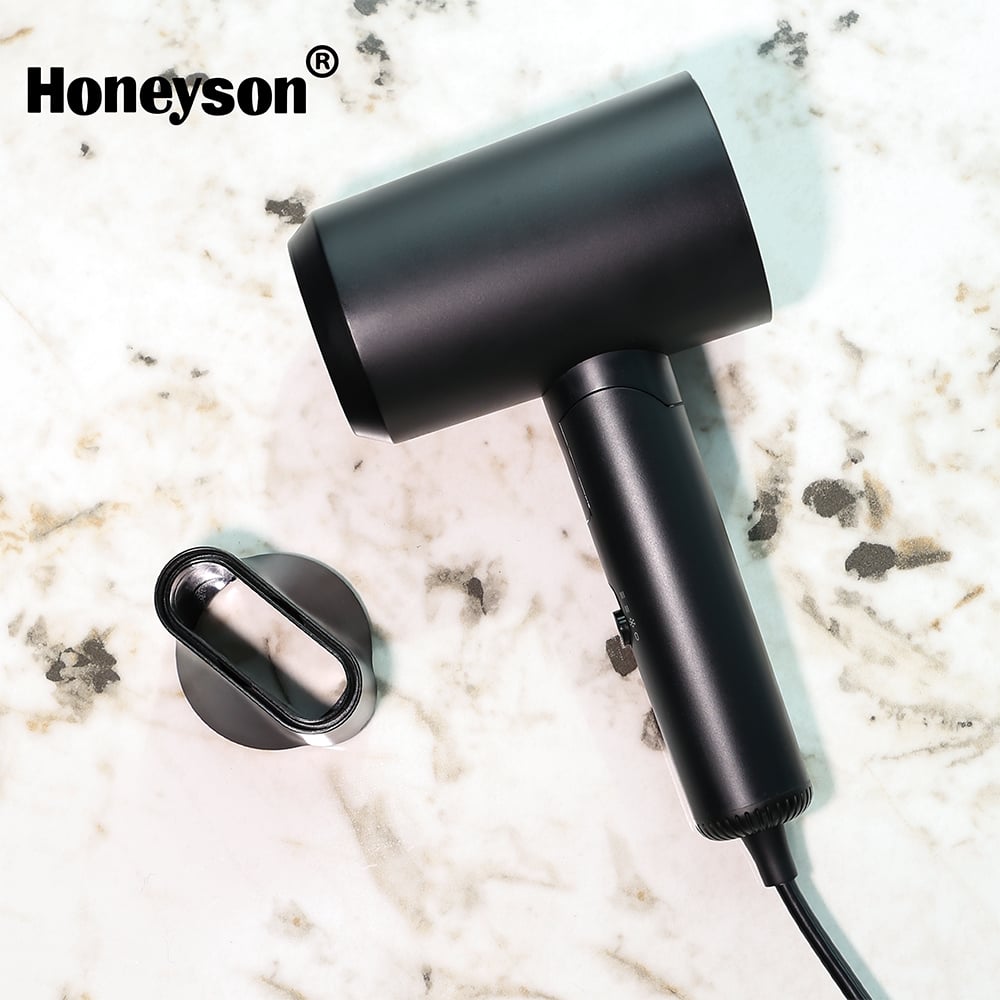
Energy efficiency has become a defining factor in how hotels specify their equipment and operational systems. As sustainability regulations tighten globally and guest expectations shift toward eco-conscious hospitality, hotel operators must align their procurement strategies with energy efficiency targets. The hotelic movement reflects this shift, where hotel room equipment selections are now driven by measurable efficiency standards rather than cost alone. Understanding how these targets reshape equipment specifications helps hoteliers make informed decisions that balance sustainability, compliance, and operational performance.

Hotel electrical products now carry additional layers of specification requirements that extend beyond traditional functionality. Governments and certification bodies worldwide have established energy consumption benchmarks, carbon reduction goals, and efficiency ratings that directly influence which hotel room equipment manufacturers can supply to the market. OEM hotel equipment producers increasingly design their product lines around these mandates, embedding efficiency features into core design rather than treating them as optional add-ons. This transformation affects everything from lighting and HVAC systems to emergency equipment and guest amenities, reshaping how the entire hotelic supply chain operates.
How Energy Targets Drive Equipment Selection
Regulatory Compliance and Certification Standards
Energy efficiency targets imposed by government agencies and international standards bodies now form the foundation of OEM hotel equipment development. These regulations specify maximum energy consumption limits, efficiency ratings, and performance benchmarks that hotel electrical products must meet before they can be installed in new properties or during major renovations. Hotels operating in regions with strict energy codes cannot simply choose any supplier; they must select vendors whose hotel room equipment meets or exceeds the mandated efficiency thresholds. Compliance failures can result in permit delays, operational shutdowns, or substantial fines, making equipment selection a compliance-driven decision rather than a purely economic one.
Impact on Long-Term Operating Costs
Energy efficiency targets create a direct financial incentive for hotels to specify premium hotelic equipment. While energy-efficient hotel electrical products typically carry higher upfront costs, they deliver measurable reductions in monthly utility bills over their operational lifetime. A hotel that specifies efficient lighting, smart HVAC controls, and optimized hot water systems across hundreds of guest rooms can reduce energy spending by 20–40 percent annually. OEM hotel equipment manufacturers quantify these savings in performance documentation, helping hotel executives justify capital expenditure to ownership groups and lenders. This lifecycle cost analysis has fundamentally shifted purchasing behavior, moving decisions away from lowest-bid procurement toward total cost of ownership calculations.
Technical Specifications Reshaped by Efficiency Mandates
Design Innovations in Hotel Room Equipment
OEM hotel equipment suppliers have redesigned their product portfolios to embed efficiency improvements directly into hardware. LED lighting fixtures now replace incandescent and fluorescent systems across hotel room equipment lineups, reducing electricity consumption while improving durability and guest satisfaction. HVAC systems for hotelic applications incorporate advanced thermostats, occupancy sensors, and variable refrigerant flow technology that automatically adjust environmental conditioning based on real-time room occupancy and guest preferences. Water heating systems use tankless technology and demand-control circulation pumps to minimize standby losses. Hotel electrical products now feature smart controls that integrate with building management systems, allowing centralized monitoring and optimization of energy consumption across the entire property. These innovations were not optional enhancements; they emerged as manufacturers adapted to efficiency requirements that now define the competitive landscape.
Material Selection and Component Standards
Energy efficiency targets have also influenced which materials and components OEM hotel equipment manufacturers specify. High-efficiency transformers, low-loss electrical distribution systems, and advanced insulation materials now appear in standard hotel room equipment configurations. Manufacturers conduct detailed energy audits and thermal modeling to identify energy waste at every point in the system. Metal components are chosen for thermal conductivity rather than cost, wiring gauges are oversized to reduce resistance losses, and control systems are programmed with sophisticated algorithms that optimize performance during off-peak hours. These technical decisions ripple through the entire supply chain, creating demand for higher-grade components that support the efficiency targets that hotel operators must achieve.
Market and Operational Implications
Supplier Consolidation and Competitive Dynamics
Energy efficiency targets have reshaped the hotelic market structure itself. Smaller manufacturers without the engineering resources to meet efficiency mandates have exited the OEM hotel equipment space, while larger suppliers have invested heavily in research and development to remain competitive. Hotels now source from a smaller pool of qualified vendors whose hotel room equipment and hotel electrical products meet both efficiency and performance standards. This consolidation has created challenges for procurement teams who must navigate fewer options, but it has also raised the overall quality and reliability of hotelic equipment available in the market. Manufacturers that successfully integrated efficiency into their core competencies have gained market share and pricing power, reinforcing the shift away from commodity-based procurement.
Guest Experience and Brand Differentiation
Energy-efficient hotel room equipment and OEM hotel equipment specifications now contribute to brand positioning and guest satisfaction. Hotels that visibly commit to sustainability through efficient hotelic systems attract environmentally conscious travelers and qualify for eco-certification programs that command premium room rates. Guest-facing features like programmable smart thermostats, low-flow water fixtures, and responsive lighting systems enhance comfort while supporting energy targets. Hotel electrical products that fail in efficiency performance damage both operational economics and brand reputation. This connection between energy efficiency and guest experience has made equipment specification a strategic business decision that extends beyond engineering teams into marketing and revenue management functions.
FAQ
How do energy efficiency targets affect the cost of hotel room equipment?
Energy efficiency targets typically increase the upfront purchase price of hotel room equipment because manufacturers must invest in advanced components, control systems, and engineering optimization to meet regulatory standards. However, this higher initial cost is offset by substantial reductions in operational energy expenses over the equipment's useful life. Most hotel operators recover the efficiency premium within three to five years through lower utility bills, making the total cost of ownership favorable despite higher capital expenditure. Additionally, many jurisdictions offer tax credits, rebates, or financing incentives for hotels that specify high-efficiency OEM hotel equipment, further improving the financial equation.
What role does hotelic equipment play in achieving carbon reduction goals?
Hotelic equipment and hotel electrical products that meet energy efficiency targets directly reduce the carbon footprint of hotel operations by lowering electricity consumption and associated emissions from power generation. Hotels with efficient hotel room equipment specifications can reduce their carbon intensity per guest night by 15–30 percent compared to older properties without efficiency upgrades. This reduction is critical for hotels pursuing net-zero or carbon-neutral operating targets, and for satisfying guest expectations and investor demands for environmental responsibility. OEM hotel equipment manufacturers publish carbon impact assessments showing how their efficient products contribute to measurable emissions reductions, helping hotels quantify progress toward sustainability commitments.
Can older hotels retrofit their equipment to meet current energy efficiency targets?
Retrofitting existing hotel room equipment to meet current energy efficiency targets is technically feasible but requires significant capital investment and careful planning. Many existing structures allow for replacement of hotel electrical products, lighting systems, and HVAC equipment with modern energy-efficient alternatives without major construction. However, some properties face structural or mechanical constraints that complicate retrofit projects. Hotels typically conduct comprehensive energy audits to identify which OEM hotel equipment and hotel room equipment replacement will deliver the highest efficiency gains relative to cost. Phased renovation approaches allow hotels to meet energy efficiency targets incrementally while spreading capital requirements across multiple fiscal years, making retrofit projects more financially manageable.
