
 EN
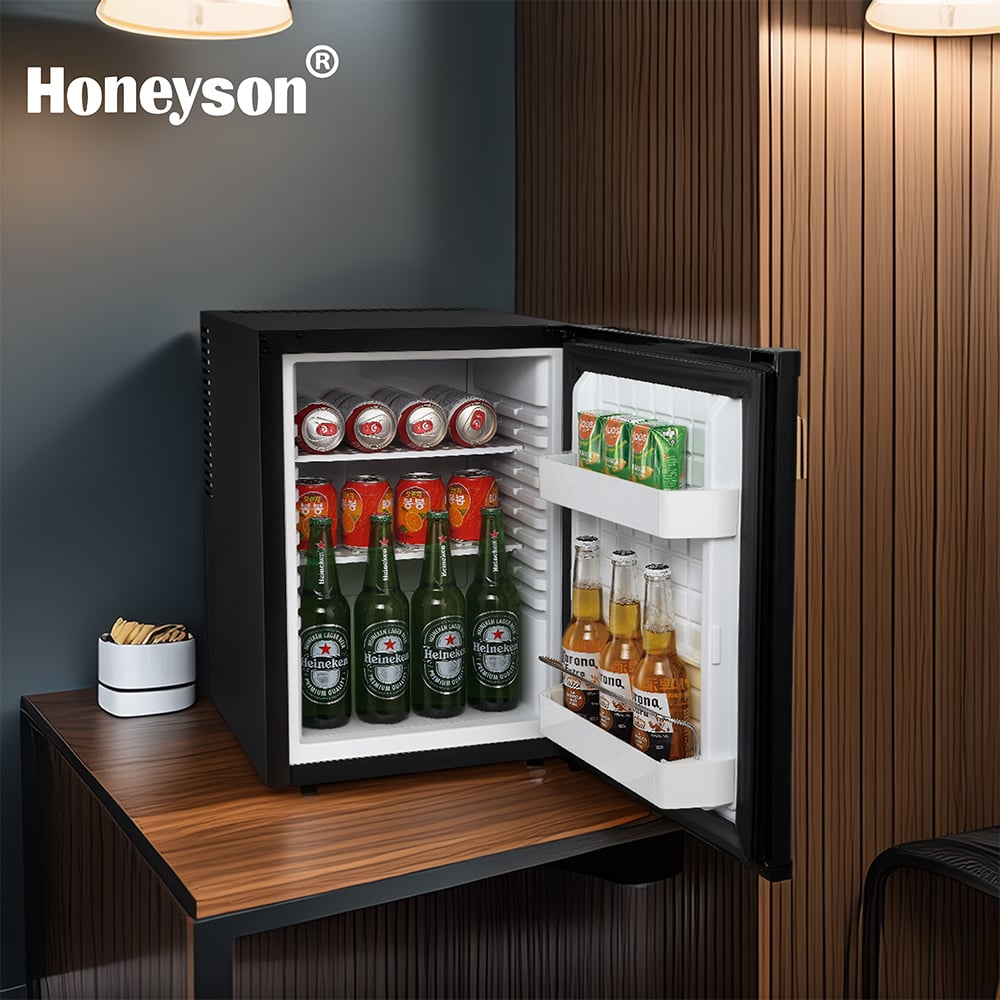
Selecting the right materials for hotel room equipment is one of the most critical decisions hospitality operators face when designing guest accommodations. Hotels operating in humid and high-heat climates encounter accelerated degradation, corrosion, electrical failures, and safety hazards if materials are not properly matched to environmental demands. Understanding how to evaluate hotelic equipment for these specific conditions ensures durability, guest safety, and long-term cost efficiency. This guide explores the essential material selection criteria for hotel room equipment in challenging climates, helping property managers and procurement teams make informed decisions.
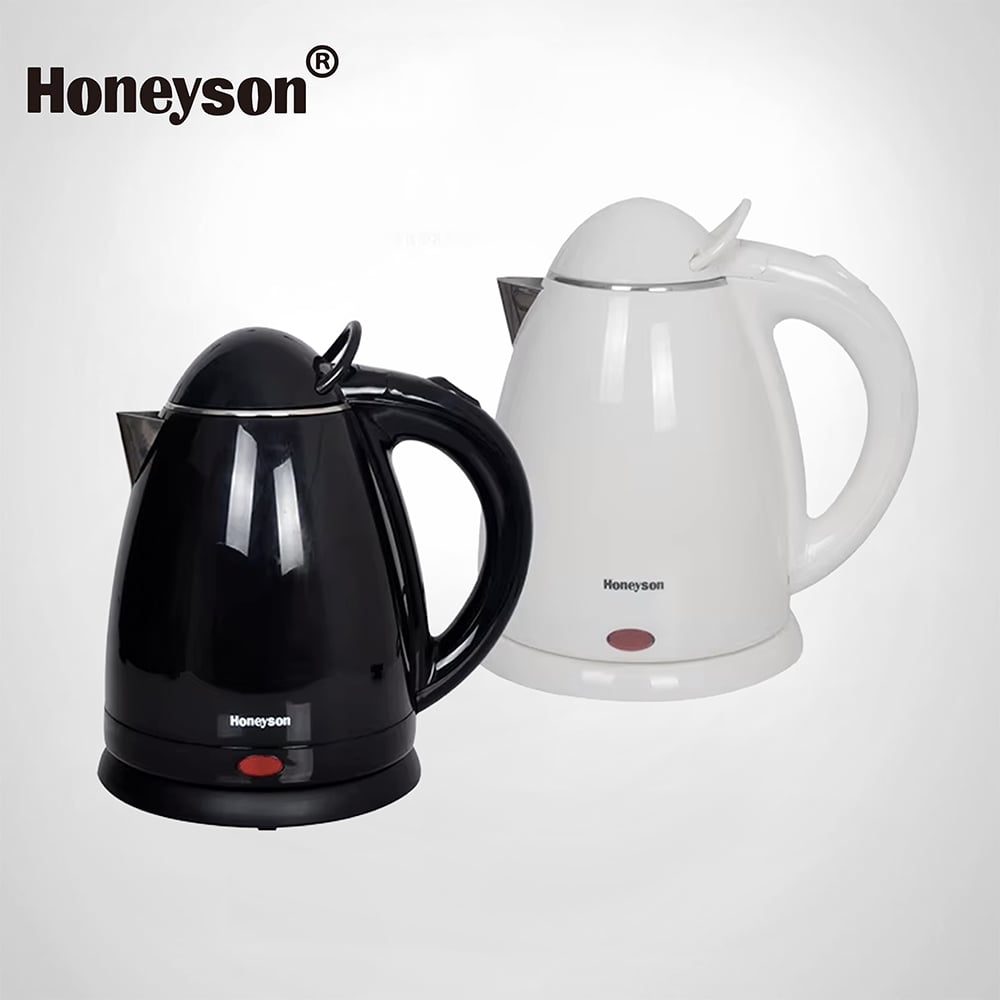
The hospitality industry depends on reliable hotel electrical products and OEM hotel equipment to maintain guest comfort and safety. When properties operate in tropical, subtropical, or desert regions, material specifications become even more crucial. Humidity accelerates rust and corrosion in ferrous metals, while heat intensifies electrical stress and weakens polymeric components. Strategic material selection for hotelic solutions reduces warranty claims, extends asset lifespan, and protects brand reputation.
Understanding Environmental Stress on Hotel Room Equipment
Humidity Challenges in Hospitality
Humid climates create persistent moisture exposure that degrades conventional materials at accelerated rates. Steel components rust rapidly without proper surface treatment, while electrical connections corrode, increasing fire risk and reducing equipment reliability. Choosing hotel room equipment with stainless steel, nickel-plated, or powder-coated finishes mitigates corrosion. Sealed electrical enclosures and moisture-resistant gaskets protect OEM hotel equipment from water ingress. Hotels in coastal and tropical regions benefit most from premium surface treatments on kettle bodies, heating elements, and control panels.
High-Heat Environmental Impact
Temperature extremes stress both mechanical and electrical systems in hotel electrical products. Plastic housings degrade under sustained heat, polymeric seals lose flexibility, and electrical components face shortened lifespans. Materials selected for hotelic applications must tolerate ambient temperatures well above typical design ranges. Double-wall construction, thermal insulation, and high-temperature-rated polymers are essential for hotel room equipment in desert climates where ambient temperatures exceed 40°C. OEM hotel equipment manufacturers specify materials with thermal ratings 15–25°C above maximum expected conditions to ensure safety margin.
Core Material Selection Criteria for Hospitality
Stainless Steel and Premium Alloys
Stainless steel remains the gold standard for hotel room equipment exposed to humid and hot conditions. Grade 304 stainless provides cost-effective corrosion resistance for most applications, while Grade 316 offers superior performance in high-salt-content environments. OEM hotel equipment manufacturers frequently specify these materials for kettle bodies, heating elements, and external fasteners. The upfront cost premium is offset by reduced replacement frequency and lower maintenance labor. Hotel electrical products constructed with stainless steel components maintain guest-facing aesthetics longer and require minimal surface maintenance.
Corrosion-Resistant Coatings and Treatments
When solid stainless steel is cost-prohibitive, protective coatings extend the life of hotel room equipment significantly. Powder coating, electroplating, and anodizing create barriers against moisture and oxidation. Nickel plating is widely used on hotel electrical products for its dual benefit of corrosion resistance and attractive appearance. Hot-dip galvanizing provides industrial-grade protection at moderate cost and suits larger structural components in housekeeping equipment. Hotels must verify that coating thickness meets industry standards, typically 75–150 microns for powder coatings on hotelic solutions.
High-Temperature Polymers and Insulation
Thermoplastic materials in hotel room equipment require careful specification for high-heat environments. Polycarbonate, polyetherimide, and polyamide compounds rated for 120–130°C continuous operation are essential for kettle handles, control knobs, and electrical connector housings. Standard ABS plastic becomes brittle and discolors above 80°C, making it unsuitable for OEM hotel equipment in hot climates. Hotels should confirm that all polymer components in hotel electrical products carry UL or equivalent certification for their intended thermal environment. Cool-touch handle designs, air gap insulation, and thermal barriers further protect guests and extend component lifespan.
Practical Implementation for Hotel Procurement Teams
Specification and Testing Requirements
Hospitality properties should establish material specifications as part of purchase requirements for hotel room equipment. Thermal cycling tests, salt-spray corrosion tests, and humidity chamber evaluations confirm that OEM hotel equipment meets environmental demands. Key performance indicators include visual corrosion rating after 500–1000 hours of salt-spray exposure, electrical safety maintained after temperature cycling, and material dimensional stability under sustained heat. Hotel electrical products must demonstrate these capabilities through third-party certification or manufacturer testing data before procurement.
Supplier Partnership and Long-Term Quality
Working with established hotelic manufacturers and OEM hotel equipment suppliers reduces procurement risk. Suppliers with tropical and desert market experience understand regional environmental profiles and specify materials accordingly. Hotels should request material composition documentation, coating thickness verification, and corrosion warranty periods. Building long-term relationships with quality suppliers of hotel room equipment ensures consistent quality across renovation cycles and multi-property rollouts. Reference checks with similar-climate properties confirm real-world performance of hotel electrical products before large-scale investment.
Maintenance and Lifecycle Planning
Even superior materials require maintenance protocols in harsh environments. Regular descaling of kettle elements, inspection of electrical connections, and periodic resealing of enclosures preserve hotelic equipment performance. Hotels operating hotel room equipment in high-humidity areas benefit from preventive maintenance schedules every 6–12 months. OEM hotel equipment documentation should include maintenance guidelines specific to regional conditions. Documenting actual failure rates and replacement costs for hotel electrical products informs future material selection decisions and justifies investment in premium materials.
FAQ
What is the best material for hotel kettles in tropical climates?
Stainless steel Grade 304 or higher is optimal for kettle bodies and elements in tropical environments. Double-wall construction with stainless steel outer and inner vessels provides excellent insulation and corrosion resistance. Hotel room equipment suppliers often specify nickel-plated brass or powder-coated steel for internal components, with polyetherimide handles rated for 120°C continuous operation. OEM hotel equipment in these climates also benefits from sealed electrical connections and moisture-resistant gaskets.
How do humidity and heat affect hotel electrical products?
Moisture accelerates corrosion of ferrous metals and causes electrical connections to fail through oxidation and microshort circuits. High heat stresses plastic housings, degrades polymeric seals, and reduces electrical component lifespan through thermal cycling stress. Hotelic manufacturers address these challenges by specifying corrosion-resistant materials, high-temperature polymers, and sealed enclosures. Hotels must verify that hotel room equipment and OEM hotel equipment selections include appropriate surface treatments and thermal ratings for their climate zone.
What certifications should hotels require for tropical hotel equipment?
Hotels should require third-party corrosion testing data, thermal cycling test results, and UL or IEC certifications for hotel electrical products and OEM hotel equipment. Salt-spray corrosion tests per ASTM B117 or ISO 9227 confirm resistance to coastal salt exposure. Thermal cycling tests document performance through temperature variations typical of the region. Hotelic equipment should include manufacturer warranties specific to humidity and temperature ranges, with documentation of material composition and coating specifications. Regional certifications relevant to the host country provide additional assurance of compliance.
