
 EN
EN
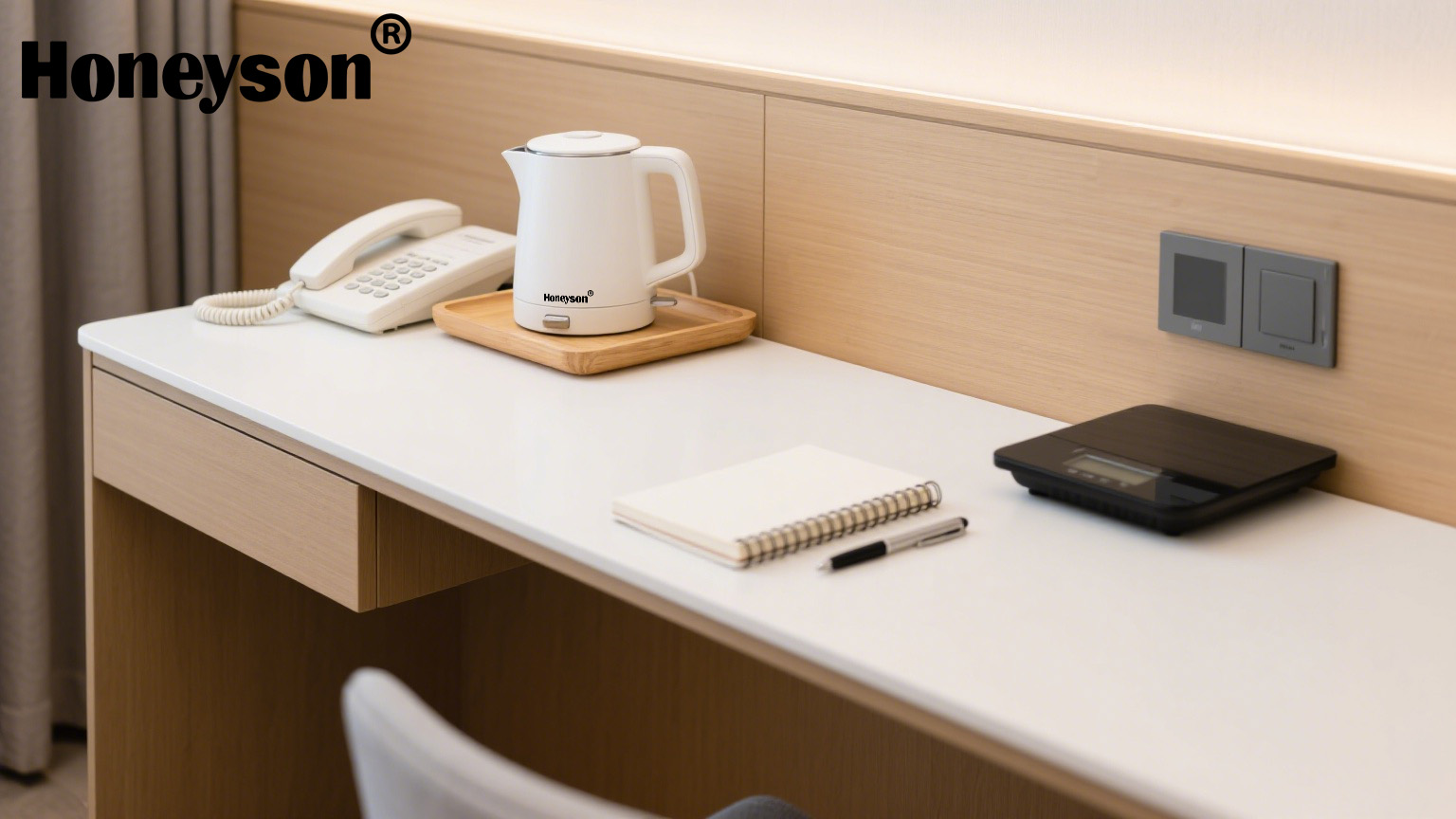
Procurement planning for hospitality properties in 2026 is no longer a simple task of ordering individual items from a catalog. With tighter budget cycles, more demanding guests, and pressure to reduce vendor complexity, procurement managers and hotel operators are rethinking how they source in-room amenities. The concept of a comprehensive hotel solution — where curated, compatible products are bundled into a single guest room package — has emerged as one of the most practical answers to that challenge. Rather than managing ten separate SKUs across multiple suppliers, operators who invest in a complete hotel solution gain consistency, reduce lead times, and protect margin in a single procurement decision.
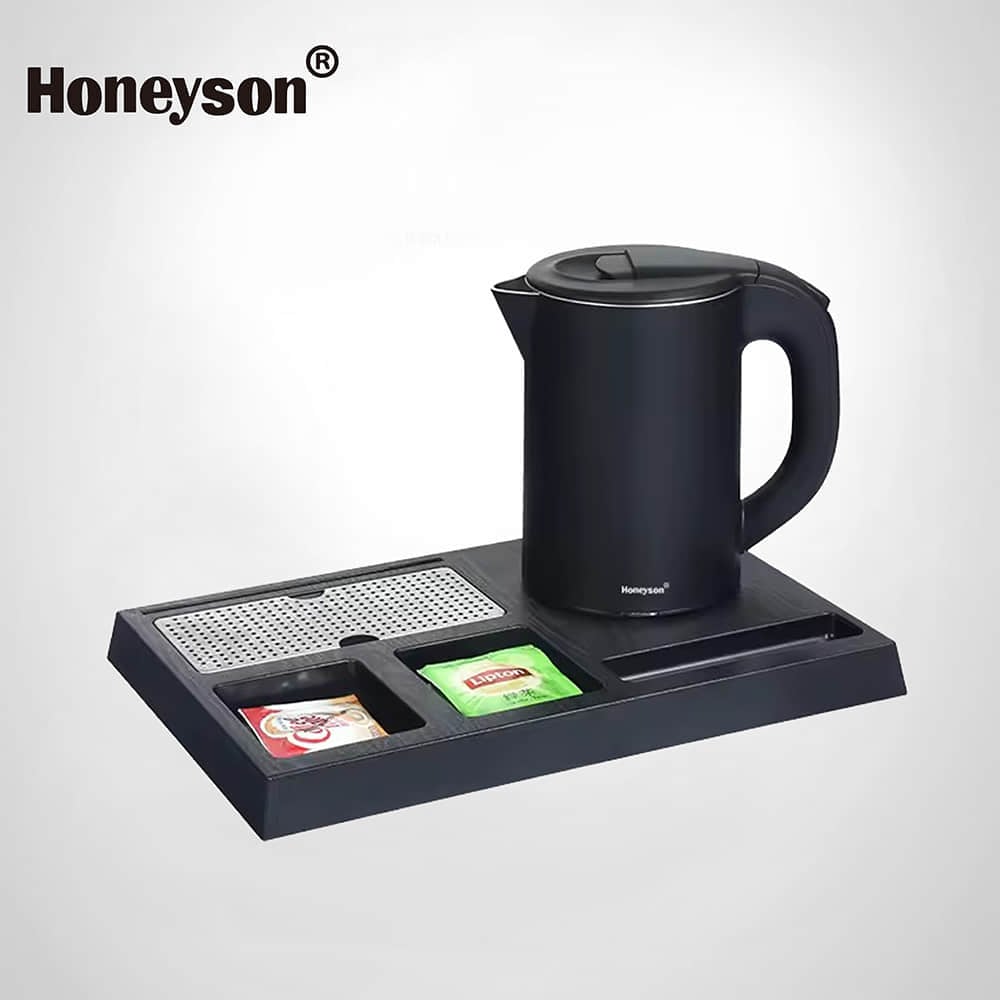
When we examine how a purpose-built hotel solution functions in practice — from the kettle and tray set on the desk to the coordinated accessories around it — the operational value becomes very clear. This article explores how a complete guest room hotel solution creates measurable savings in time and budget, why it is becoming a strategic priority heading into 2026, and what procurement teams should understand when evaluating this approach for their next purchasing cycle.
The Procurement Complexity Problem Facing Hotels in 2026
Fragmented Buying Creates Hidden Costs
Many hospitality procurement teams have historically sourced guest room items across a fragmented mix of suppliers. A tray from one vendor, a kettle from another, cups from a third — each with different lead times, MOQs, and quality standards. This fragmentation may appear cost-effective on a line-item basis, but the hidden costs accumulate quickly. Coordinating deliveries, managing quality disputes, and reconciling invoices across a dozen vendor relationships is time-consuming and expensive. A hotel solution that packages compatible, co-designed items eliminates much of that friction from the start.
Beyond administrative burden, fragmented procurement introduces guest-facing inconsistency. When items come from different sources, visual harmony in the guest room suffers. Mismatched finishes, inconsistent sizing, and incompatible accessories create a disjointed in-room experience that undermines the hotel's brand positioning. A well-designed hotel solution ensures that every element on the guest room desk or vanity shares the same design language, creating a polished, intentional impression.
As operating costs continue to rise into 2026, the hospitality industry is under pressure to find procurement efficiencies without cutting corners on guest experience. A complete hotel solution offers exactly that balance — simplicity on the procurement side, quality and cohesion on the guest-facing side. The math increasingly favors consolidation.
Supplier Consolidation as a Strategic Lever
Reducing the number of active supplier relationships is one of the most impactful things a procurement team can do to reclaim time and reduce risk. When a hotel solution is sourced from a single, reliable supplier, terms negotiations become simpler, reorders are faster, and accountability is clear. If something needs to be replaced or upgraded, there is one point of contact rather than a complicated trail of vendor correspondence.
Supplier consolidation also opens the door to better commercial terms. Suppliers who offer a comprehensive hotel solution often have a strong incentive to provide volume pricing, priority lead times, and dedicated account support when a hotel commits to using their full product ecosystem. That kind of relationship is difficult to build when spend is scattered across many vendors. In 2026, procurement teams who actively consolidate their hotel solution sourcing stand to unlock real savings that purely line-item comparison shopping cannot achieve.
How a Complete Guest Room Hotel Solution Saves Time
Simplified Specification and Onboarding
One of the most immediate time savings from adopting a complete hotel solution comes at the specification stage. Instead of developing separate product briefs, testing samples independently, and running parallel approval processes for each individual item, procurement teams can evaluate the hotel solution as a single cohesive package. This dramatically reduces the number of decisions that need to be made and the number of stakeholders who need to sign off before orders are placed.
Take a guest room kettle set as an example. A properly designed hotel solution typically includes the kettle itself, a coordinated ABS tray, cups, and complementary accessories — all engineered to work together visually and functionally. Rather than sourcing each element separately, testing compatibility, and hoping the finished desk setup looks intentional, a buyer can approve the full hotel solution in a single review. The time savings at the front end of procurement can be measured in weeks, not days.
Onboarding new properties is also far more efficient when a standardized hotel solution is already in place. Whether outfitting a single new property or rolling out upgrades across a portfolio, having a pre-approved, fully specified hotel solution means procurement teams can move from decision to delivery without starting from scratch on every engagement.
Faster Reordering and Replenishment Cycles
Guest room items break, wear out, and get replaced on a regular cycle. When procurement is fragmented, even simple replenishment becomes a small project — checking which vendor supplied which item, verifying that the same SKU is still available, and placing multiple small orders. A complete hotel solution eliminates this friction. Because all components of the solution share a common supplier and often a common product family, reorders are straightforward and can frequently be managed through standing agreements.
Standardization also benefits housekeeping and operations teams. When every room in a property uses the same hotel solution components, housekeeping knows exactly what belongs where, replacements are interchangeable across rooms, and inventory management is simple. The operational efficiency gains extend well beyond procurement itself, rippling through daily hotel operations in ways that add up meaningfully over a full year.
How a Complete Guest Room Hotel Solution Reduces Budget
Volume Leverage and Consolidated Pricing
Budget savings from a comprehensive hotel solution begin with purchasing power. When a hotel or hotel group commits to sourcing a full guest room hotel solution from a single supplier, the consolidated volume creates meaningful leverage. Rather than spreading spend thinly across many vendors — each commanding their own margin — buyers can negotiate from a position of strength with one supplier who values the totality of the relationship.
This is particularly relevant for mid-scale and upper-midscale hotel brands that are operating many properties under a consistent standard. The hotel solution procurement model allows brand-level buying teams to negotiate master agreements that reflect the full volume potential across their portfolio, then deploy those agreements property by property. The savings per unit may appear modest, but applied across hundreds or thousands of rooms, the cumulative budget impact is significant.
Quality control is another budget-saving dimension that is easy to overlook. When items are sourced individually from lower-cost, unvetted suppliers, the risk of quality failures, guest complaints, and premature replacement is higher. A reliable hotel solution from an established supplier may carry a slightly higher unit cost but typically delivers a better total cost of ownership when durability, warranty support, and brand consistency are factored in.
Reduced Administrative and Logistics Costs
Every purchase order, every delivery coordination, and every invoice reconciliation carries an administrative cost. When procurement teams consolidate around a single hotel solution, those costs fall dramatically. Fewer purchase orders are raised, fewer shipments need to be received and checked, and fewer invoices need to be processed and approved. For large hotel operations, the administrative overhead of fragmented procurement can represent a meaningful percentage of total procurement cost — one that a consolidated hotel solution approach can reduce substantially.
Logistics consolidation also reduces the risk of partial shipments, mismatched deliveries, and the expensive consequences of a room that cannot be opened because a key amenity is missing. When the entire hotel solution ships together from a single source, the receiving and deployment process is predictable, manageable, and far less prone to the costly surprises that fragmented sourcing routinely generates.
Evaluating a Hotel Solution for 2026 Procurement
Key Criteria Beyond Price
When evaluating a hotel solution for the 2026 procurement cycle, price per unit is only one dimension of a sound decision. Buyers should assess the completeness of the solution — does it include all the guest room desk and vanity items needed to deliver a cohesive experience? Products like a kettle set with a coordinated ABS tray and cool-touch design, featuring a double-body construction for durability and a controlled 0.8L capacity suitable for standard guest room use, are practical examples of what a well-engineered hotel solution component looks like. These are not arbitrary specifications — they reflect decisions made to balance guest safety, ease of use, and operational longevity.
Design coherence is another critical evaluation criterion. A hotel solution that presents a unified aesthetic across all in-room items reinforces the property's brand and elevates the perceived quality of the guest experience. Buyers should request sample sets and evaluate how the complete hotel solution looks as an assembled desk setup, not just as individual items in isolation. The combined impression is what guests will actually encounter.
Supplier stability and support capacity also matter greatly in 2026. A hotel solution is only as valuable as the supplier's ability to deliver consistently over time. Procurement teams should evaluate lead times, minimum order quantities, reorder flexibility, and the supplier's track record with hospitality clients. A hotel solution backed by a stable, experienced supplier is a lower-risk procurement decision than a cheaper alternative from an untested source.
Aligning the Hotel Solution with Brand Standards
For branded hotel groups and franchise operations, a complete hotel solution must align with brand standards documentation. This means buyers need to evaluate finishes, materials, certifications, and performance specifications against the brand's minimum requirements before any hotel solution is approved for portfolio-wide deployment. The good news is that this alignment process is far simpler when evaluating a hotel solution as a package, because the supplier can provide a single set of documentation and certifications covering the full offering rather than piecemeal compliance records for individual items.
Customization potential is also worth discussing with suppliers. Some hotel solution providers are able to accommodate custom branding on trays, custom colorways on accessories, or bespoke packaging that reinforces the property's identity. These options can elevate the perceived quality of the hotel solution without fundamentally changing the underlying product or significantly increasing cost, making them a smart value-add to explore during the procurement conversation.
Building a Long-Term Hotel Solution Strategy
Standardization Across Renovation Cycles
One of the most powerful advantages of committing to a complete hotel solution is the ability to standardize across renovation cycles. Properties that undergo room refreshes or full renovations every five to seven years benefit enormously from having a pre-established hotel solution framework that can simply be re-specified and reordered, rather than rebuilt from scratch each cycle. Standardization reduces the design and procurement effort at each renovation and ensures that the guest experience remains consistent across the property's lifetime.
For portfolio operators managing multiple properties, a consistent hotel solution strategy also simplifies cross-property comparisons, budget forecasting, and supplier relationship management. When all properties use a common hotel solution baseline, procurement data becomes more meaningful, benchmarking becomes more reliable, and identifying cost reduction opportunities becomes much easier.
Sustainability and Future-Proofing Considerations
Sustainability is an increasingly important dimension of procurement decision-making in 2026. A thoughtfully designed hotel solution should reflect material choices, energy performance, and lifecycle considerations that align with the property's sustainability commitments. For in-room electrical items like kettles, this includes energy efficiency, compliance with relevant safety standards, and materials that can be responsibly handled at end of life. Procurement teams should ask suppliers how their hotel solution addresses these considerations and what documentation is available to support sustainability reporting.
Future-proofing also means choosing a hotel solution from a supplier who has a clear product roadmap and the capacity to evolve the offering in response to guest expectations and regulatory changes. A hotel solution that meets today's needs but cannot adapt to tomorrow's requirements creates procurement challenges down the line. Building a relationship with a supplier who takes a long-term view of their hotel solution offering is one of the most valuable things a procurement team can do heading into 2026 and beyond.
FAQ
What is a complete hotel solution in the context of guest room procurement?
A complete hotel solution refers to a curated set of coordinated in-room products — such as a kettle, tray, cups, and complementary accessories — that are sourced together from a single supplier. The goal is to ensure visual consistency, functional compatibility, and procurement simplicity. Rather than sourcing individual items separately, a hotel solution allows buyers to approve, order, and manage all guest room desk amenities as a single package, saving time and reducing supplier complexity.
How does a hotel solution reduce procurement costs beyond unit price?
A hotel solution reduces costs in several ways beyond the per-unit price. By consolidating purchasing with a single supplier, buyers gain volume leverage for better commercial terms. Administrative costs fall because fewer purchase orders, invoices, and vendor communications are needed. Logistics costs decrease when shipments are consolidated. And total cost of ownership improves because a well-specified hotel solution typically delivers better durability and fewer replacements than fragmented, lower-quality sourcing.
Can a hotel solution be customized to match a property's brand identity?
Yes, many hotel solution suppliers offer customization options including custom branding on trays, color selection for accessories, and branded packaging. These options allow properties to reinforce their identity through the guest room experience without requiring bespoke product development. Buyers should discuss customization requirements early in the procurement conversation to understand lead time and cost implications, as lead times for customized hotel solution components may be longer than for standard items.
How should procurement teams evaluate the quality of a hotel solution before committing?
The most effective evaluation approach is to request a complete physical sample set of the hotel solution and assess it as an assembled guest room display, not just as individual items. Evaluate finish quality, material feel, design coherence, and functional performance. Review available safety certifications and compliance documentation. Speak with the supplier about their manufacturing quality controls and their track record with hospitality clients. A reputable hotel solution supplier will welcome this level of scrutiny and be able to provide the documentation and references needed to support a confident procurement decision.
Table of Contents
- The Procurement Complexity Problem Facing Hotels in 2026
- How a Complete Guest Room Hotel Solution Saves Time
- How a Complete Guest Room Hotel Solution Reduces Budget
- Evaluating a Hotel Solution for 2026 Procurement
- Building a Long-Term Hotel Solution Strategy
-
FAQ
- What is a complete hotel solution in the context of guest room procurement?
- How does a hotel solution reduce procurement costs beyond unit price?
- Can a hotel solution be customized to match a property's brand identity?
- How should procurement teams evaluate the quality of a hotel solution before committing?