
 EN
EN
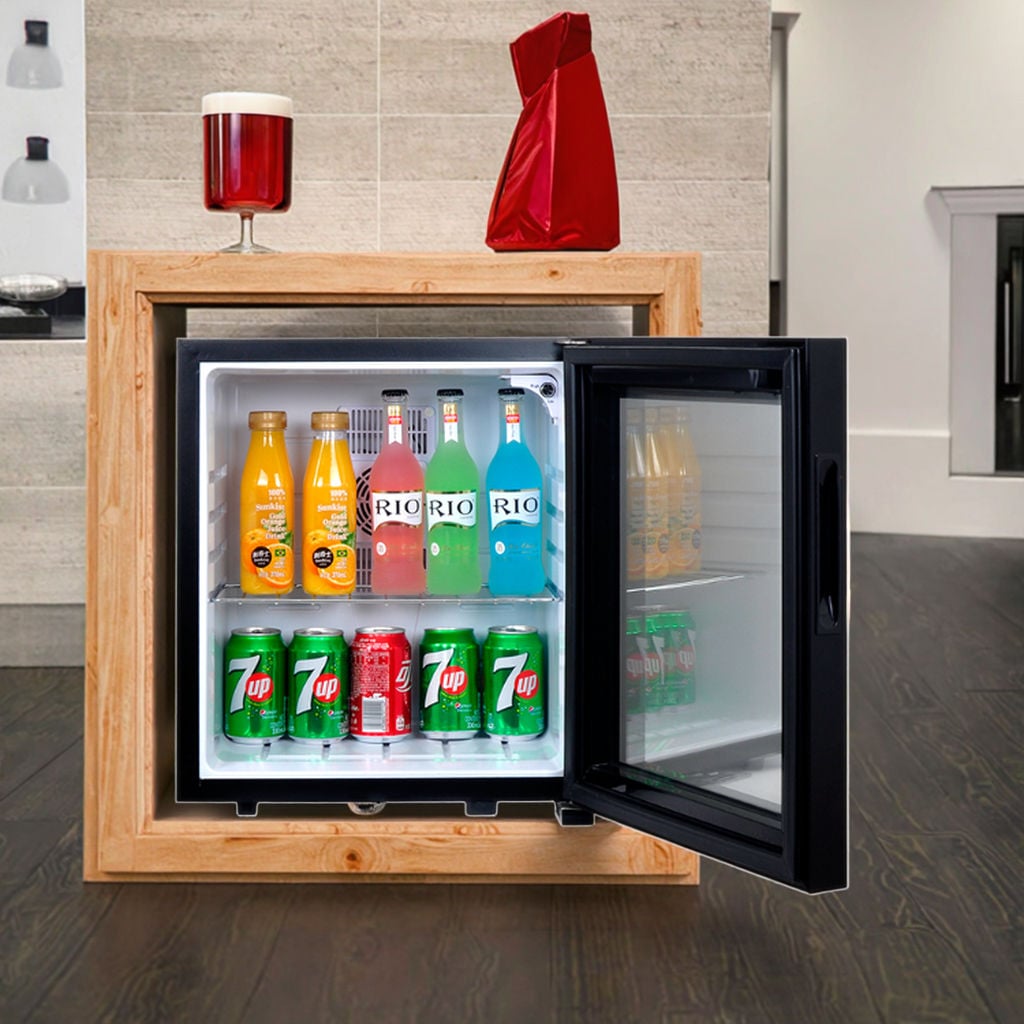
In the competitive world of hospitality, every detail inside a guest room speaks to a hotel's commitment to quality. From the kettle on the desk to the hairdryer in the bathroom, guest room appliances are silent ambassadors of the brand experience. Procurement teams and hotel operators are increasingly turning to a hotel one stop solution to simplify sourcing, maintain brand consistency, and ultimately deliver a superior guest experience without the complexity of managing dozens of separate vendors.
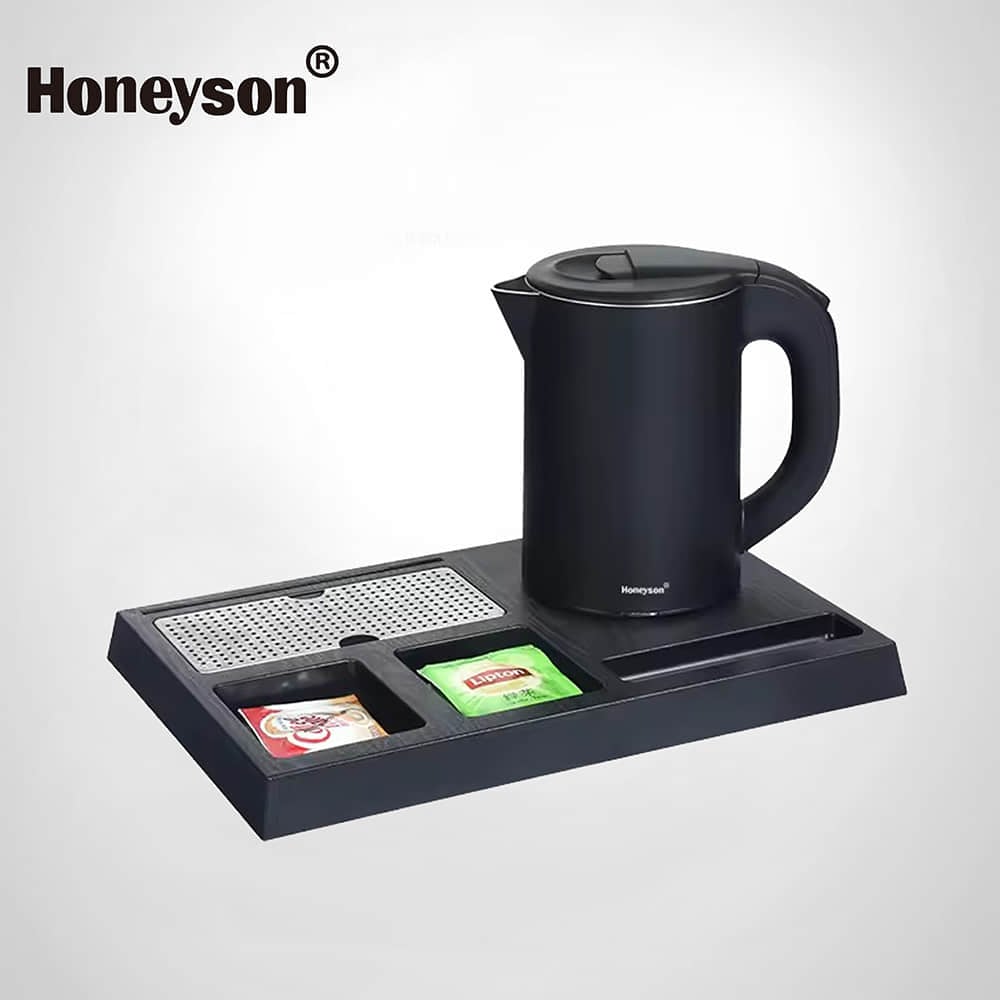
The concept of a hotel one stop solution goes beyond simple convenience. It represents a strategic procurement model where a single partner supplies, coordinates, and often customizes an entire portfolio of in-room appliances — from tea and coffee sets to welcome amenity trays — under a unified quality standard. For hotel groups managing multiple properties, this approach can dramatically reduce operational overhead, shorten lead times, and create a coherent aesthetic identity that resonates with guests from the moment they walk through the door.
What a Hotel One Stop Solution Actually Means for Procurement
Defining the Scope of a Turnkey Appliance Program
A hotel one stop solution in the context of guest room appliances refers to partnering with a supplier that can provide an integrated range of products — kettles, trays, coffee makers, hairdryers, irons, and more — all designed to work together visually and functionally. Rather than sourcing each category from a different vendor, hotel procurement managers consolidate their purchasing pipeline through a single point of contact. This simplification has measurable benefits in terms of time saved, invoice management, and relationship depth with a trusted partner.
The 'turnkey' element of this model means the supplier takes responsibility for the full delivery experience. This can include custom branding, private labeling, coordinated packaging, and even installation support in some cases. When a procurement team engages a hotel one stop solution provider, they are not just buying products — they are buying a managed outcome. The supplier becomes an extension of the hotel's operations team, anticipating needs and resolving supply chain disruptions before they impact property openings or refurbishments.
This model is particularly valuable for hotel groups opening new properties or undergoing large-scale renovations. Instead of managing 10 or 15 separate vendor relationships, each with its own lead times, payment terms, and quality standards, the procurement team works with one partner who understands the full picture. Products arrive cohesively, timelines are managed centrally, and the guest room comes together as a designed environment rather than an assembly of mismatched parts.
How a One-Stop Model Differs from Traditional Multi-Vendor Sourcing
Traditional multi-vendor sourcing has long been the default in hotel procurement, largely because no single supplier historically covered every product category. Buyers would source kettles from one manufacturer, trays from another, and small appliances from a third. While this gave buyers flexibility, it introduced complexity — differing quality levels, inconsistent finishes, unpredictable lead times, and the administrative burden of managing multiple contracts and supplier relationships simultaneously.
A hotel one stop solution collapses this complexity into a streamlined model. Quality benchmarks are agreed upon once and applied across the entire product range. Communication flows through a single account manager who understands the hotel's brand standards and operational calendar. When issues arise — a delayed shipment, a product defect, a last-minute design change — there is one responsible party, not a chain of finger-pointing vendors. This accountability is one of the most underrated benefits of the consolidated model.
For procurement professionals operating under time pressure, the efficiency gains are significant. Research shows that B2B buyers spend a disproportionate amount of time on vendor management rather than strategic sourcing decisions. By consolidating to a hotel one stop solution, procurement teams reclaim time and cognitive bandwidth that can be redirected toward value-added activities like quality improvement programs, sustainability auditing, or guest experience innovation.
The Aesthetic and Brand Consistency Advantages
Creating a Unified In-Room Identity
One of the most compelling arguments for a hotel one stop solution is the ability to achieve a cohesive visual identity across every in-room appliance. When all items — from the hotel one stop solution kettle and tray set to the iron and hairdryer — come from a single design ecosystem, the guest room reads as intentional and refined rather than assembled. This matters enormously in the upscale and luxury segments, where guests are acutely sensitive to environmental cues about quality.
A coordinated appliance suite communicates brand values without a single word being spoken. Matching finishes — whether brushed stainless, matte black, or chrome — signal that attention has been paid to every detail. When the kettle and tray share the same material language and design proportions as the other appliances in the room, the cumulative effect is one of luxury and intentionality. A hotel one stop solution provider makes this level of coordination achievable without requiring the hotel to hire a dedicated product design team.
Customization options further strengthen this advantage. Many one-stop suppliers offer embossing, laser engraving, or printed branding on trays, kettles, and packaging. This private-label capability transforms standard appliances into branded touchpoints, reinforcing the hotel's identity every time a guest interacts with an in-room item. For boutique hotels and lifestyle brands especially, this level of branded detail is a meaningful differentiator.
Maintaining Consistency Across Multiple Properties
Hotel groups managing multiple properties face the additional challenge of maintaining brand consistency across locations that may be geographically dispersed and managed by different on-site teams. Without a centralized hotel one stop solution, individual property managers often make local purchasing decisions that diverge from brand standards over time. Kettles get replaced with whatever is available locally; trays are sourced based on cost rather than design alignment. The cumulative result is brand drift — a slow erosion of the visual identity that was carefully established at opening.
A centralized one-stop partner solves this problem by serving as the single approved source for all properties in the group. Brand standards are codified in a product specification that the supplier maintains and enforces. When a property needs to replace aging appliances or restock after a renovation, they draw from the same approved product set. The hotel one stop solution model thus functions as a brand governance tool as much as a procurement tool, protecting the visual integrity of the guest experience across every location.
This consistency also has commercial value. Loyalty travelers who stay across multiple properties in a group expect a recognizable experience. When the in-room environment feels familiar — the same quality kettle, the same elegant tray, the same coordinated aesthetic — it reinforces the brand promise and encourages repeat stays. Consistency is a competitive asset, and the hotel one stop solution model is one of the most effective ways to achieve it at scale.
Operational Efficiency and Supply Chain Benefits
Simplifying Logistics and Lead Time Management
Supply chain complexity is one of the most significant operational challenges facing hotel procurement teams today. Managing multiple vendors means managing multiple production schedules, shipping windows, customs clearances, and delivery coordination points. A single delay from one supplier can hold up an entire room fit-out, pushing back opening dates and incurring costly penalties. The hotel one stop solution model significantly reduces this risk by centralizing supply chain responsibility.
When one partner is responsible for coordinating the production and delivery of an entire appliance suite, they can synchronize production runs, consolidate shipments, and manage logistics as a unified project. This not only reduces freight costs through consolidation but also simplifies customs and import documentation. Procurement teams receive a single shipment, a single invoice, and a single point of contact for any delivery issues — a dramatic reduction in administrative complexity compared to managing ten separate inbound shipments.
For hotel openings with hard deadlines — a not uncommon situation in the hospitality industry — this logistical reliability is invaluable. A hotel one stop solution partner who understands the stakes of a property opening will prioritize communication, flag delays early, and work proactively to find solutions. This level of partnership is difficult to cultivate across a fragmented multi-vendor base, where each supplier is naturally focused on their own delivery obligations rather than the hotel's overall timeline.
Cost Efficiency Through Consolidated Purchasing Power
Consolidated purchasing through a hotel one stop solution also delivers meaningful cost benefits. When a hotel group commits to a single supplier for a broad range of appliances, it creates a substantial volume relationship that justifies favorable pricing, priority production scheduling, and preferential treatment in capacity allocation. This is simply not possible when purchasing is fragmented across many vendors, each receiving a relatively small share of the hotel's total appliance spend.
Beyond unit pricing, there are significant savings in the administrative costs of procurement itself. Fewer purchase orders, fewer invoices, fewer supplier audits, fewer contract negotiations — all of these administrative activities consume staff time and generate overhead. A hotel one stop solution reduces the number of procurement transactions required to equip a property, freeing up budget and personnel for other priorities. The total cost of ownership, when all direct and indirect costs are factored in, often makes the consolidated model substantially more economical than it appears at first comparison.
Warranty management and after-sales support are also simplified. With a single supplier relationship, warranty claims, replacement parts, and product support queries all flow through one channel. There is no ambiguity about which vendor is responsible when a product underperforms. This clarity reduces resolution times, minimizes guest disruption, and protects the hotel's maintenance team from being caught between competing supplier warranties.
Quality Control and Guest Safety Standards
Unified Compliance and Certification Management
Guest room appliances are subject to a range of safety and regulatory requirements that vary by market. Electrical safety certifications, material compliance standards, and energy efficiency regulations all need to be verified before appliances can be deployed in a guest-facing environment. Managing compliance documentation across multiple vendors is a significant administrative burden. A hotel one stop solution partner who supplies across product categories can present consolidated compliance documentation, making the hotel's regulatory due diligence far more manageable.
Quality control is also more consistent when sourced through a single partner. Multi-vendor procurement introduces variable quality standards — one supplier may use food-grade stainless steel for their kettles while another uses lower-grade materials that discolor over time. A hotel one stop solution provider who has been carefully vetted and onboarded against the hotel's quality standards will apply those standards uniformly across every product category. Procurement managers gain confidence that every item in the guest room meets the same benchmark, rather than hoping that each individual vendor has maintained their quality commitments.
For upscale hotels using materials like SS304 stainless steel in their kettles and appliances, the importance of material traceability and certification cannot be overstated. Guests increasingly scrutinize the quality and safety of in-room items, and hotels that can demonstrate rigorous supply chain standards earn a reputational premium. Partnering with a hotel one stop solution provider who prioritizes certified materials is both a guest safety measure and a brand protection strategy.
Ongoing Product Support and Lifecycle Management
The relationship with a hotel one stop solution partner does not end at delivery. Appliances have finite lifespans, and a hotel that has partnered with a single integrated supplier can manage product lifecycle proactively rather than reactively. When a product line is updated or discontinued, the one-stop partner can advise on compatible replacements that maintain the room's aesthetic and functional standards. This proactive lifecycle management prevents the piecemeal replacement scenario where a refurbished room ends up with mismatched appliances because the original models are no longer available.
Preventive maintenance programs, spare parts availability, and training for housekeeping staff on proper appliance care are all areas where a committed one-stop partner adds value beyond the initial sale. For hotel operators focused on reducing the total cost of ownership over a property's lifecycle, these extended support capabilities are a meaningful part of the value proposition. A hotel one stop solution that includes lifecycle support is not just a procurement convenience — it is a long-term operational partnership.
FAQ
What types of appliances are typically included in a hotel one stop solution?
A comprehensive hotel one stop solution for guest room appliances typically covers kettles and tray sets, hairdryers, irons and ironing boards, coffee makers, welcome amenity trays, and sometimes bathroom appliance accessories. The specific product range varies by supplier, but the defining characteristic of a true one-stop model is that a single partner can supply a coordinated, brand-consistent suite of items rather than requiring the hotel to source each category separately. Some providers also offer customization and private-label services as part of the overall package.
Is a hotel one stop solution only suitable for large hotel groups?
While large hotel groups often benefit most visibly from the scale efficiencies of a hotel one stop solution, this model is equally valuable for boutique hotels and independent properties. For smaller operators, the primary benefits are simplicity, design coherence, and the ability to access product customization and branding services that would otherwise require minimum order quantities too large to manage independently. A good one-stop partner will work with properties of varying sizes and offer flexible arrangements that make consolidated sourcing accessible regardless of the number of rooms or properties involved.
How does a hotel one stop solution support sustainability goals?
A hotel one stop solution can actively support a hotel's sustainability commitments in several ways. Consolidated shipments reduce the carbon footprint of freight compared to multiple separate deliveries from different suppliers. Centralized quality control means products are made to last, reducing replacement frequency and the associated waste. Some one-stop providers also offer product lines featuring certified sustainable materials, energy-efficient appliances, and responsible packaging. For hotels reporting on their environmental, social, and governance credentials, having a single supply partner with transparent sustainability practices simplifies reporting and verification.
What should hotel procurement teams look for when evaluating a hotel one stop solution provider?
When evaluating a hotel one stop solution provider, procurement teams should assess the breadth and coherence of the product portfolio, the supplier's track record with comparable hotel projects, the quality and safety certifications applicable to their products, and the flexibility of their customization capabilities. It is also important to evaluate the supplier's communication practices, lead time reliability, and after-sales support infrastructure. A one-stop model only delivers its full value when the partner relationship is built on transparency, responsiveness, and a genuine understanding of the hotel's operational and brand requirements.
Table of Contents
- What a Hotel One Stop Solution Actually Means for Procurement
- The Aesthetic and Brand Consistency Advantages
- Operational Efficiency and Supply Chain Benefits
- Quality Control and Guest Safety Standards
-
FAQ
- What types of appliances are typically included in a hotel one stop solution?
- Is a hotel one stop solution only suitable for large hotel groups?
- How does a hotel one stop solution support sustainability goals?
- What should hotel procurement teams look for when evaluating a hotel one stop solution provider?