
 EN
EN
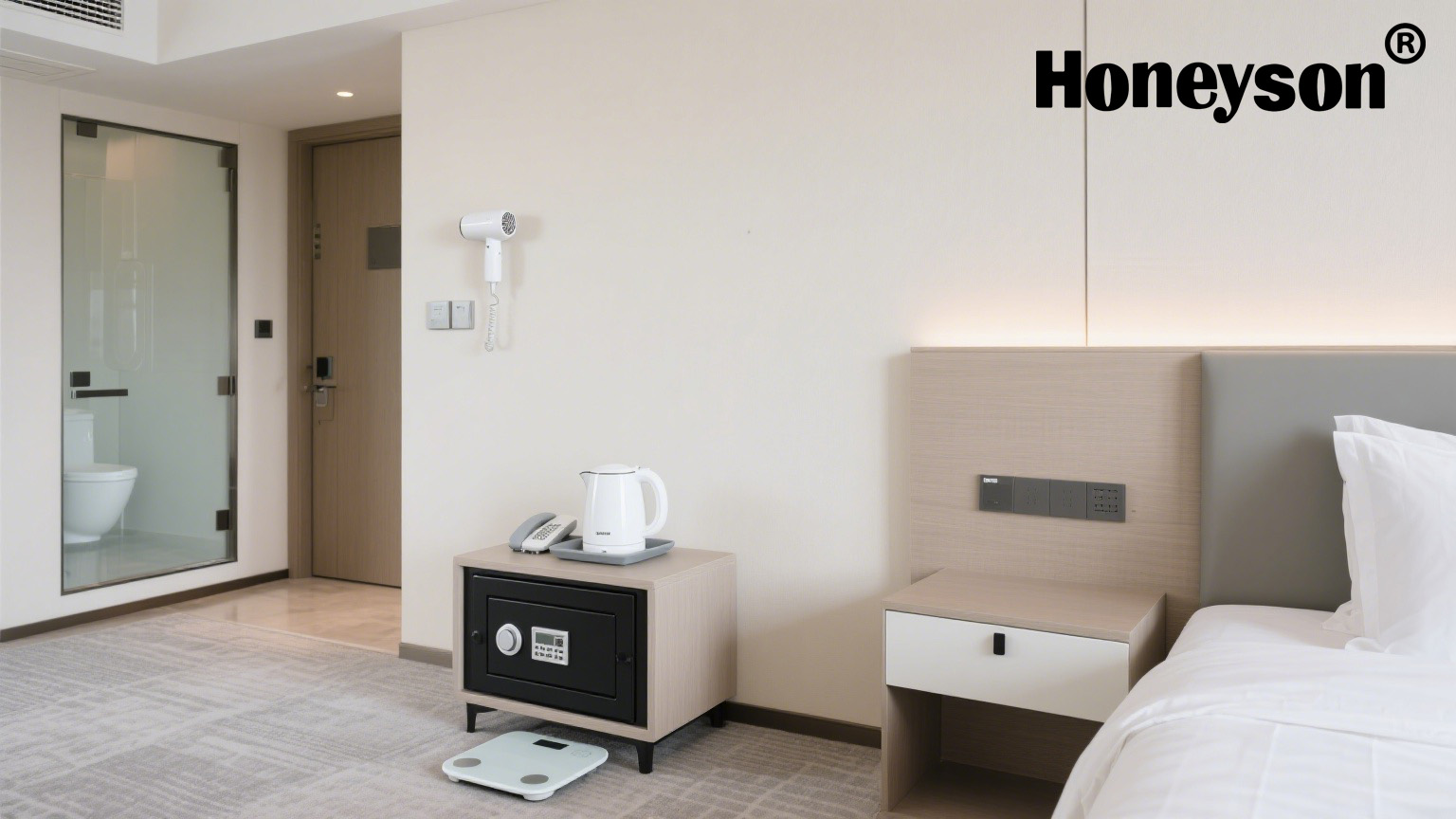
The boutique hotel industry has entered a design era defined by extreme diversity and guest expectation. From raw exposed concrete and blackened steel in modern industrial spaces to the quiet imperfection of wabi-sabi aesthetics, every design choice a property makes communicates its brand identity before a single word is spoken. Yet behind each beautifully curated room lies a practical challenge that many boutique property owners underestimate: sourcing the right hotel solution that aligns with the visual theme, meets operational durability standards, and can be delivered consistently across every room category.
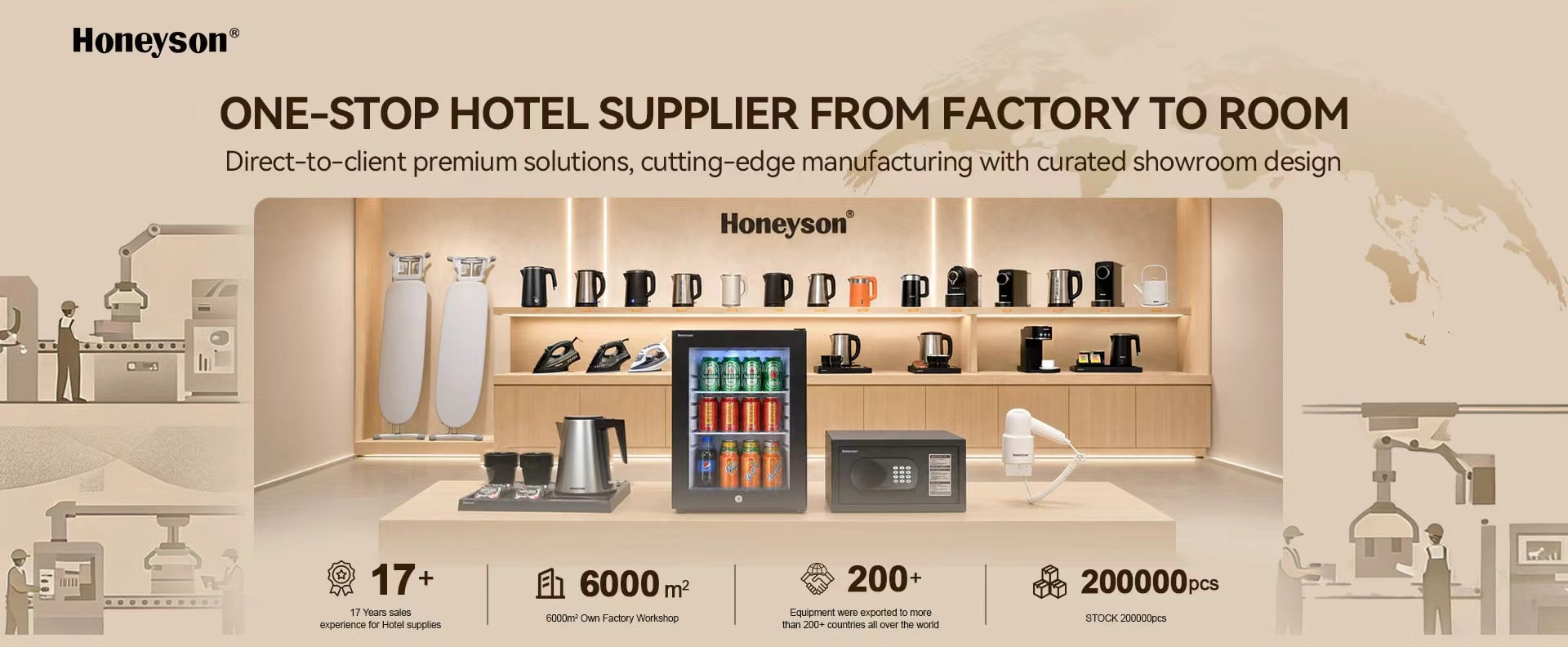
A truly effective hotel solution for a boutique property is not simply a supplier catalog. It is a curated, customizable system that bridges interior design vision with the functional demands of hospitality operations. Whether a property leans into the rugged charm of an industrial loft concept or the subdued natural beauty of wabi-sabi philosophy, the products and furnishings within each guestroom must reinforce that aesthetic while performing reliably day after day. This article explores what makes a one-stop hotel solution the right strategic choice for boutique properties and how such a system can be customized across radically different design languages.
Understanding the Boutique Hotel Design Spectrum
Modern Industrial as a Hospitality Design Language
Modern industrial design entered the boutique hotel space as an extension of urban culture, celebrating the authenticity of materials left in their raw or semi-finished state. Exposed ductwork, reclaimed wood surfaces, matte black metalwork, and Edison-style lighting create an environment that feels genuinely crafted rather than mass-produced. Guests drawn to these properties tend to be design-conscious travelers who notice inconsistency immediately.
In this context, an effective hotel solution must extend the visual vocabulary of the design into every touchpoint in the room. The in-room kettle, the tray on the dresser, the amenity holders in the bathroom — each element must feel like it belongs to the same design family. A glossy white kettle in a matte industrial room creates cognitive dissonance that undermines the entire guest experience. This is why industrial-themed properties increasingly require dedicated sourcing support as part of their overall hotel solution strategy.
The operational durability requirements in industrial-themed rooms are also elevated. Surfaces that reveal fingerprints easily, materials that scratch under normal use, or finishes that age poorly are unacceptable. A well-built hotel solution supplier understands that the aesthetic and the functional must be engineered together, not treated as separate considerations.
Wabi-Sabi as an Emerging Boutique Aesthetic
Wabi-sabi, rooted in Japanese philosophy, has become one of the most compelling design languages in contemporary boutique hospitality. It embraces imperfection, natural aging, organic shapes, and quiet restraint. Rooms designed around wabi-sabi principles use neutral earthy tones, handcrafted textures, linen fabrics, unglazed ceramics, and wooden accents to create an atmosphere of calm authenticity.
Sourcing a hotel solution for wabi-sabi properties presents unique challenges because this aesthetic deliberately avoids the polished, symmetrical look of conventional hospitality products. In-room amenities need to reflect the same organic sensibility — textured finishes, muted colors, understated branding, and materials that improve in character with time rather than degrade.
For boutique hotel owners operating under a wabi-sabi concept, working with a one-stop hotel solution partner capable of customizing finishes, colors, and surface textures is not a luxury. It is a strategic necessity that directly impacts whether the room's design story holds together from the moment a guest enters to every subsequent interaction with the room's accessories and appliances.
What a One-Stop Hotel Solution Actually Delivers
Consolidating Sourcing Without Sacrificing Customization
The term 'one-stop hotel solution' often gets reduced to the idea of a single supplier providing multiple product categories. While that is part of the value, the deeper strategic benefit is the design coherence that becomes possible when all guestroom elements — from the electrical appliances to the amenity sets to the tableware — are sourced from a single coordinated system. Boutique hotels cannot afford product inconsistency across room categories.
A well-structured hotel solution partner brings together product categories under a unified customization framework. Color families, finish types, and material specifications can be applied consistently across a kettle set, a hairdryer, a coffee station, and a vanity tray. This level of coordination is nearly impossible when sourcing from multiple independent vendors, each operating with their own design constraints and lead time structures.
For boutique properties with small room counts but high design ambition, this consolidation also simplifies the procurement process significantly. A hotel solution partner that handles custom specifications, sample approvals, small-batch production, and direct delivery removes layers of operational complexity that would otherwise consume significant management time and increase error risk.
Custom Finishes and Design-Aligned Product Selection
The practical meaning of 'customizable' within a hotel solution context extends well beyond choosing a color from a swatch card. It includes surface texture selection — matte versus brushed versus soft-touch finishes. It includes body material choices that affect both appearance and tactile quality. It includes tray and accessory styling that can be calibrated to match specific design mood boards, whether industrial or wabi-sabi or somewhere in between.
Consider a guest room kettle set as a reference point. In an industrial-themed room, the ideal hotel solution for this category might involve a double-walled kettle with a cool-touch matte black exterior on a powder-coated metal tray, paired with ceramic cups that echo the room's raw material palette. In a wabi-sabi property, the same product category might call for a soft clay-colored ABS body with a warm wood-finish tray and cups with a muted unglazed appearance.
A hotel solution system designed with customization at its core allows both of these outcomes to be realized through the same supplier relationship, using the same quality control standards, with the same lead time predictability. This is the practical operational advantage that distinguishes a true hotel solution partner from a generic hospitality product catalog.
Design-Specific Product Categories in a Boutique Hotel Solution
In-Room Appliances as Design Statements
In boutique hospitality, in-room appliances carry more aesthetic responsibility than in full-service hotels where the room design may be more standardized. A kettle, a hairdryer, or a coffee maker sitting on a surface is always visible, always part of the room's visual composition. The best hotel solution strategies treat these appliances as design objects rather than utility items that need to be hidden or minimized.
Kettle sets, in particular, have become a focal point for boutique hotel room design. The combination of a kettle, tray, cups, and accompanying accessories creates a lifestyle vignette on the guest room counter that reinforces the overall design narrative. When this vignette is coordinated by a hotel solution partner with design awareness, it elevates the perceived quality of the entire room without requiring significant investment in structural renovations.
The technical specifications of in-room appliances within a hotel solution must also meet hospitality-grade durability requirements. High-cycle use, easy cleaning, safety certifications, and energy efficiency are non-negotiable baseline requirements. The visual customization layer must be built on top of a solid technical foundation, not at its expense.
Amenity Sets, Tableware, and Soft Goods Coordination
A complete hotel solution for a boutique property extends beyond electrical appliances into amenity packaging, bathroom accessories, tableware, and soft goods. These categories collectively form the tactile and visual experience that guests associate most strongly with the property's personality. When these elements are sourced from a coordinated hotel solution system, the result is a room that feels intentional and professionally styled.
Amenity sets designed within a wabi-sabi hotel solution framework might feature kraft paper packaging, neutral-toned containers, and simplified labeling that echoes the restraint of the design language. In an industrial-themed property, the same hotel solution might deliver amenities in dark matte containers with clean sans-serif typography and a minimal, utilitarian presentation that feels true to the concept.
Coordinating these categories through a single hotel solution partner also reduces the risk of visual clashes that can occur when procurement teams source individual categories from different suppliers. Each small inconsistency — a slightly different shade of beige, a contrasting finish type, a mismatched tray material — accumulates into an overall impression of design carelessness that boutique guests are particularly sensitive to noticing.
Implementation Considerations for Boutique Property Owners
Working With Minimum Order Quantities and Small Batch Flexibility
One of the most significant operational challenges boutique hotel owners face when seeking a hotel solution partner is minimum order quantity requirements. Large-scale hospitality product manufacturers typically set MOQ thresholds that make customization economically inaccessible for properties with 20 to 50 rooms. This forces many boutique owners into accepting generic products rather than design-aligned solutions.
A hotel solution provider genuinely oriented toward the boutique segment will have flexible production structures that accommodate smaller batch custom orders without disproportionate cost premiums. This flexibility is not merely a commercial accommodation. It reflects a fundamental understanding of how the boutique hospitality segment operates and what it needs from a hotel solution partnership to succeed.
When evaluating a hotel solution partner, boutique operators should ask direct questions about MOQ thresholds, sample lead times, customization scope, and the timeline between design approval and production delivery. These practical factors determine whether the hotel solution partnership will actually function at the operational level that boutique properties require.
Scalability Across Room Categories and Future Expansions
Even small boutique properties often operate with multiple distinct room categories — standard rooms, signature rooms, suites, and sometimes standalone villa accommodations. A robust hotel solution must be capable of scaling its customization capability across these categories while maintaining design family coherence. Each room type may call for a slightly different variation of the core design language without departing from the property's overall identity.
For example, a wabi-sabi boutique property might want its standard rooms to feature a basic kettle set in the core palette while its premium suites receive an upgraded kettle set with enhanced material quality, a larger tray configuration, and a broader accessory complement. A capable hotel solution partner can manage these tiers within a single order structure, ensuring that the design relationship between room categories is maintained across the board.
Future expansion planning is also an important dimension. Boutique properties that open additional locations, add room inventory, or refresh their design concept every few years need a hotel solution relationship that can grow with them. Continuity of product specifications, finish availability, and account management support are critical to making that continuity possible without starting the procurement process from scratch with each expansion cycle.
FAQ
What types of boutique hotel design styles work best with a customizable hotel solution?
A well-structured hotel solution can be customized to align with virtually any boutique design language, including modern industrial, wabi-sabi, Scandinavian minimalism, artisan craft, and tropical organic aesthetics. The key is working with a hotel solution partner that offers genuine finish, color, and material customization rather than limited pre-set configurations.
How does a one-stop hotel solution reduce operational complexity for boutique owners?
Consolidating procurement through a single hotel solution partner eliminates the coordination burden of managing multiple suppliers with different lead times, quality standards, and design constraints. It also reduces the risk of visual inconsistency across product categories, which is particularly important in design-forward boutique properties where cohesion is a core part of the guest experience.
Can a hotel solution partner accommodate small batch custom orders for properties with fewer than 50 rooms?
Yes, provided the hotel solution provider has a production structure designed to serve the boutique segment. Not all hospitality product suppliers have this capability, so it is important for boutique operators to confirm small-batch flexibility, sample availability, and customization scope before committing to a hotel solution partnership.
What in-room product categories should be prioritized when building a design-aligned hotel solution?
The highest visual impact categories are typically in-room appliances such as kettle sets and coffee stations, bathroom amenity sets, and tableware. These are the products guests interact with most frequently and notice most clearly in relation to the room's overall design. Starting with these categories through a coordinated hotel solution approach creates the strongest immediate design coherence throughout the guestroom.
Table of Contents
- Understanding the Boutique Hotel Design Spectrum
- What a One-Stop Hotel Solution Actually Delivers
- Design-Specific Product Categories in a Boutique Hotel Solution
- Implementation Considerations for Boutique Property Owners
-
FAQ
- What types of boutique hotel design styles work best with a customizable hotel solution?
- How does a one-stop hotel solution reduce operational complexity for boutique owners?
- Can a hotel solution partner accommodate small batch custom orders for properties with fewer than 50 rooms?
- What in-room product categories should be prioritized when building a design-aligned hotel solution?