
 EN
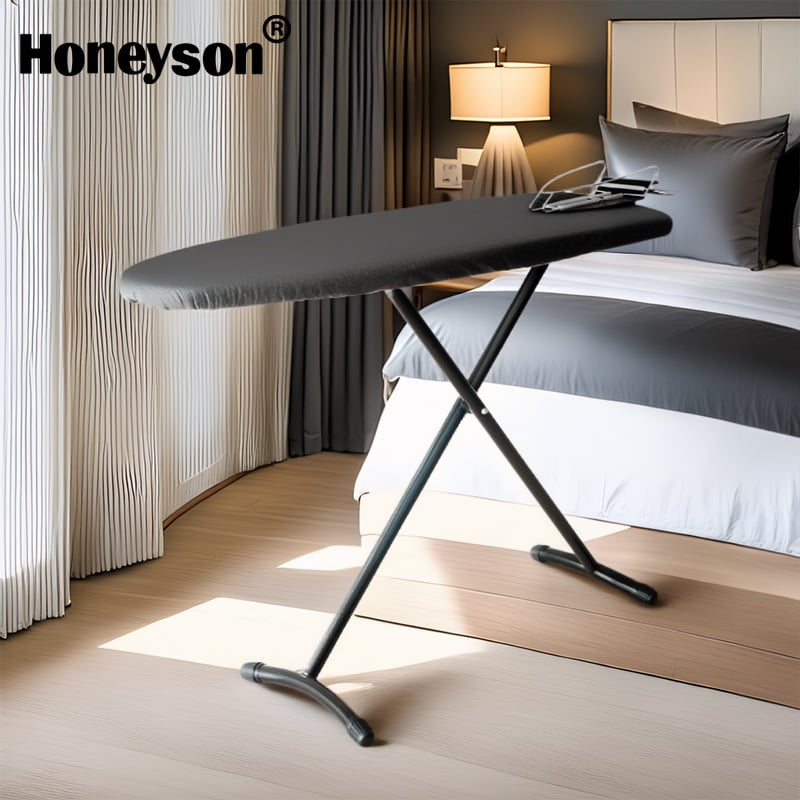
Choosing between steel mesh and solid top panels for a wall mounted ironing board involves understanding material performance, durability, and practical application needs. Both designs serve commercial and residential settings, but each delivers distinct advantages depending on your intended use. This comparison explores how these two material approaches affect heat distribution, water drainage, fabric compatibility, and long-term maintenance in professional hospitality environments and home settings.
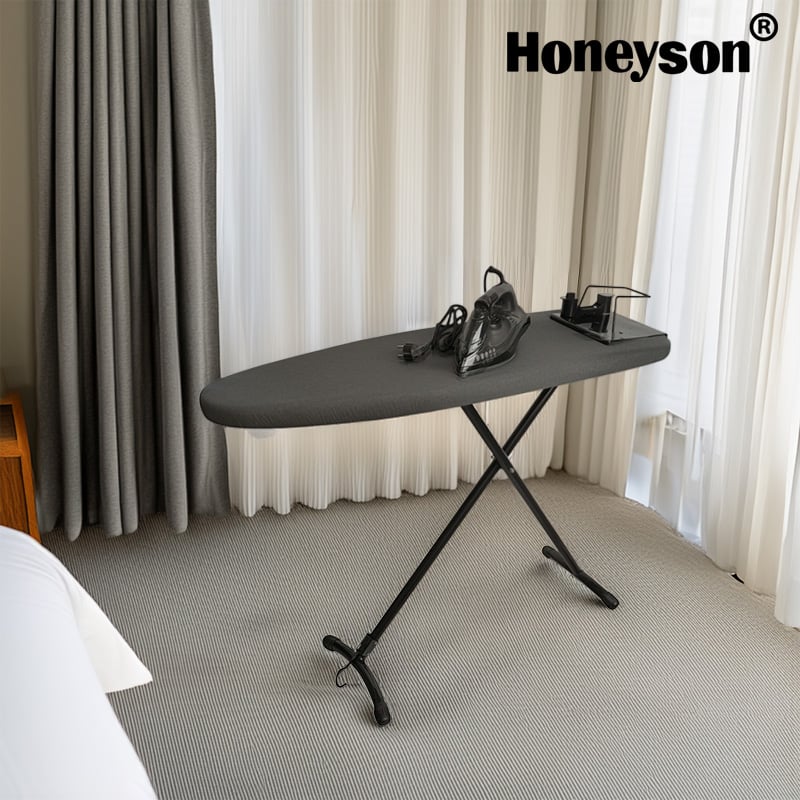
The design of your ironing surface directly influences garment care quality and operational efficiency. When evaluating the best wall mounted ironing board, surface material selection becomes a critical factor. A fold down ironing board with the right material prevents fabric damage, ensures consistent heat application, and maintains structural integrity through years of commercial or personal use.
Steel Mesh Surface Benefits and Performance
Heat Distribution and Steam Penetration
Steel mesh surfaces excel in heat distribution and steam penetration during pressing operations. The perforated design allows hot air and steam to pass through the board rather than concentrating on the fabric surface. This uniform heat application prevents scorching and shiny fabric marks that can occur with solid surfaces. OEM ironing board manufacturers often choose steel mesh for commercial hotel ironing board applications because hospitality environments demand consistent garment quality across high-volume pressing cycles.
Water Drainage and Moisture Management
Water drainage is a significant advantage of steel mesh construction in fold down ironing board designs. When steam and condensation accumulate during pressing, the mesh allows liquid to drain away from the fabric through the board structure. This drainage capability prevents waterlogging and the damp spots that compromise pressing results. Hotels and professional laundries rely on wall mounted ironing board systems with mesh tops specifically for this moisture management feature, which extends fabric life and maintains professional appearance standards.
Solid Top Panel Advantages and Limitations
Structural Support and Stability
Solid top panels provide superior structural support and a rigid, stable pressing surface that accommodates heavier fabrics and aggressive pressing techniques. The solid design resists deflection under pressure and distributes weight evenly across the support frame. For OEM ironing board applications targeting institutional buyers, solid construction offers durability and predictable performance over extended service periods. A hotel ironing board with a solid top requires less frequent replacement and withstands the demanding conditions of commercial laundry environments.
Heat Retention and Fabric Contact
Solid top panels retain heat more effectively than mesh alternatives, creating concentrated warmth at the fabric interface. This characteristic benefits delicate pressing tasks where controlled, localized heat matters more than full steam penetration. The seamless surface provides consistent contact with garment fibers, which some operators prefer for precise pressing control. However, this same feature can cause fabric shine and heat spots if steam and moisture accumulate without proper drainage, requiring careful operational technique in fold down ironing board use.
Material Selection for Specific Applications
Commercial Hotel Ironing Board Requirements
Commercial hotel ironing board systems typically favor steel mesh construction due to high-volume usage and diverse fabric types handled daily. Hotels encounter cotton dress shirts, delicate silks, wool blazers, and synthetic blends in rapid succession. Steel mesh accommodates this variety by providing consistent heat and moisture management regardless of fabric weight. The drainage capability prevents water rings and staining issues that compromise guest satisfaction. Professional facilities standardize on wall mounted ironing board designs with mesh surfaces because reliability and garment protection directly impact service quality and guest experience.
OEM Manufacturing and Fold Down Ironing Board Design
OEM ironing board manufacturers evaluate material choice based on target market requirements and cost efficiency. Residential fold down ironing board models often use solid tops because homeowners press smaller garment volumes and value simplicity. Commercial OEM products increasingly specify steel mesh for wall mounted ironing board applications serving laundries, hotels, and institutional facilities. The mesh design supports higher throughput, reduces fabric damage claims, and aligns with professional pressing standards. Manufacturers must balance material cost against customer expectations for durability and performance.
Practical Maintenance and Longevity Considerations
Cleaning and Surface Care
Steel mesh surfaces require different cleaning approaches than solid panels. The perforated design allows mineral deposits and starch residue to accumulate in areas beneath the mesh. Regular descaling and maintenance become important for sustained performance in commercial environments. Solid top panels are simpler to clean with straightforward wiping and occasional detailed scrubbing. However, mesh cleaning prevents heat distribution degradation and maintains the steam penetration advantages that made the material choice valuable for wall mounted ironing board applications.
Long-Term Performance and Replacement Cycles
Durability expectations differ between materials based on operational intensity. A hotel ironing board with a steel mesh surface typically lasts longer in high-use environments because the drainage system prevents rust and corrosion when moisture is properly managed. Solid top panels may dent, warp, or develop heat spots with heavy use but generally require simpler repairs. For fold down ironing board models used in homes, replacement frequency matters less than in commercial settings where equipment availability directly affects business operations. OEM ironing board producers factor these longevity differences into warranty structures and replacement recommendations.
FAQ
What fabric types work best with steel mesh wall mounted ironing board surfaces?
Steel mesh performs exceptionally well with most fabric types, particularly cotton, linen, and cotton-blend materials that benefit from steam penetration. Delicate silks and synthetics also respond favorably because the distributed heat prevents concentration marks. Hotel ironing board operators frequently press diverse fabrics on mesh surfaces without concerns about shine or damage, making this material ideal for high-variety pressing environments.
Can a fold down ironing board with solid panels handle commercial laundry volume?
Solid top fold down ironing board models can handle moderate commercial volume, but extended high-throughput use may cause heat spots and fabric damage from moisture accumulation. OEM ironing board manufacturers typically recommend steel mesh for commercial hotel ironing board and laundry facilities where volume and fabric diversity demand superior steam and moisture management. Solid panels suit lower-volume operations or specialized pressing tasks requiring concentrated heat application.
How does material choice affect the total cost of a wall mounted ironing board system?
Steel mesh surfaces typically cost more initially than solid panels due to specialized manufacturing processes, but they deliver superior long-term value in commercial applications through extended service life and reduced fabric damage liability. OEM ironing board pricing reflects these material differences, with hotel ironing board and fold down ironing board models representing different cost-benefit positions. Commercial buyers justify higher mesh surface costs through durability, reduced replacement frequency, and improved pressing results that enhance business reputation.
