
 EN
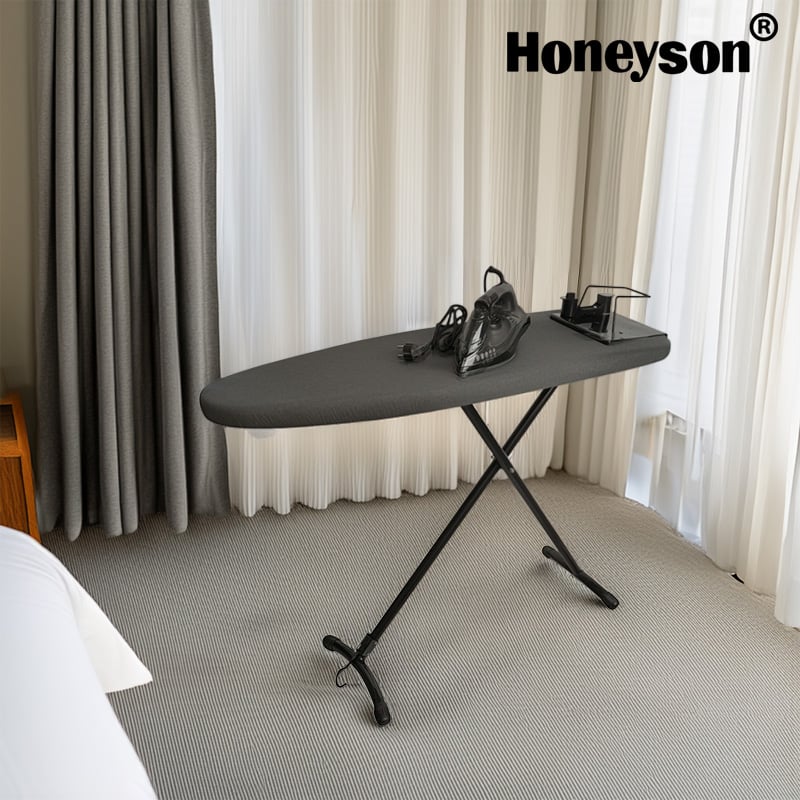
Shipping a wall mounted ironing board via sea freight requires strict adherence to international packaging standards. The journey across oceans exposes products to moisture, temperature fluctuations, vibration, and pressure changes that can compromise product integrity. Understanding and implementing proper packaging protocols ensures your wall mounted ironing board arrives at its destination undamaged and ready for deployment, whether destined for hotels, laundries, or residential markets.
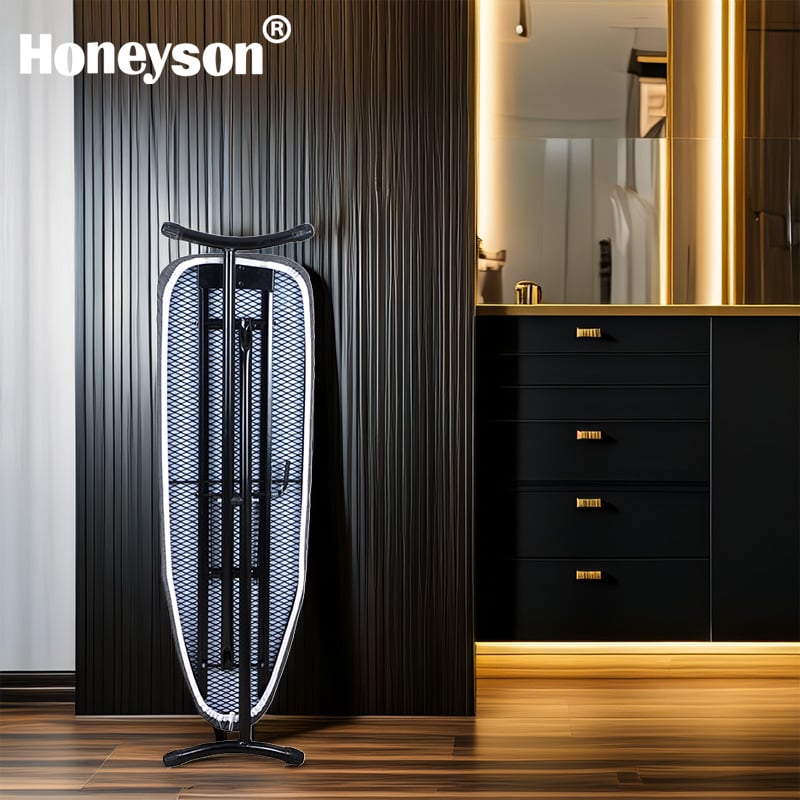
For a hotel ironing board or any fold down ironing board intended for commercial use, the stakes are particularly high. Damaged units not only result in financial losses but also disrupt operations and damage business relationships. OEM ironing board manufacturers and distributors must establish robust packaging protocols that protect their products while maintaining cost efficiency throughout the supply chain.
Protective Material Requirements for Sea Freight
Moisture and Corrosion Protection
Sea freight environments are inherently humid. Moisture intrusion poses the greatest risk to a wall mounted ironing board, especially if the unit features metal components, electrical elements, or wooden surfaces. Desiccant packets should be included in every shipment to absorb residual moisture. The internal packing should incorporate multiple barriers including kraft paper, foam sheets, and moisture-resistant materials. For a hotel ironing board with electronic controls, silica gel packets rated for maritime transport are essential. The outer packaging must feature moisture barriers that prevent water vapor penetration during the 2-4 week ocean voyage.
Vibration and Shock Absorption
Ocean containers experience constant vibration from engine vibrations, wave motion, and cargo shifting. A fold down ironing board must be secured within its packaging using appropriate cushioning materials. High-density foam, air pillows, or molded polystyrene effectively absorb shock and prevent internal movement. For OEM ironing board shipments with multiple units per container, proper spacing and interior dividers prevent units from colliding with each other. The packaging design should allow zero movement when the sealed container is subjected to standard maritime stress testing.
Container and Box Construction Standards
Structural Integrity Requirements
The best wall mounted ironing board packaging begins with appropriately rated corrugated boxes. Sea freight shipping demands boxes constructed from double-wall or triple-wall corrugated cardboard with a minimum burst strength of 200 ECT (Edge Crush Test). For hotel ironing board units or heavier fold down ironing board models, reinforced corners and additional internal bracing are necessary. Cross-bracing, corner blocks, and waterproof coating on box seams prevent structural failure when containers are stacked multiple units high. The box dimensions should allow approximately 3-4 inches of cushioning material on all sides of the product.
Labeling and Marking Protocol
International maritime regulations require specific markings on all packaged cargo. Each carton containing a wall mounted ironing board must display fragile handling labels, weight markings, and moisture-sensitive indicators. For OEM ironing board shipments destined for multiple end-users, include handling instructions in the primary languages of destination markets. Barcodes and tracking labels should be placed on multiple faces of the box to facilitate warehouse scanning. Marine damage labels should clearly indicate which side is the top of the package to prevent inversion during loading and unloading operations.
Compliance and Documentation Requirements
International Shipping Standards
The hotel ironing board and fold down ironing board industries must comply with IMDG (International Maritime Dangerous Goods) codes if units contain batteries, heating elements, or electrical components. A best wall mounted ironing board manufacturer must obtain proper certifications confirming that packaging materials meet flammability standards required for maritime transport. All packaging must comply with FEFCO (European Federation of Corrugated Board Manufacturers) standards and be certified by recognized testing laboratories. Documentation should include material composition details, weight specifications, and dimensional accuracy to ensure container loading optimization and prevent exceeding weight restrictions per maritime container classifications.
Quality Assurance and Testing
Before deploying new packaging designs for OEM ironing board shipments, manufacturers should conduct drop tests, compression tests, and salt spray exposure trials. These tests simulate real maritime conditions and identify potential failure points. A wall mounted ironing board destined for long ocean voyages should undergo accelerated aging tests that expose packaging materials to high humidity, temperature variations, and salt spray environments. Quality documentation proves that your packaging design meets international standards and provides liability protection for manufacturers and shipping companies. Regular audits of packaging suppliers ensure consistency and compliance throughout production runs.
FAQ
Why is moisture protection critical for shipping a wall mounted ironing board by sea?
Ocean voyages expose products to persistent humidity that can cause rust, electrical malfunctions, and material degradation. For hotel ironing board units with metal frames and electronic controls, moisture intrusion can render the product inoperable upon arrival. Proper moisture barriers, desiccant packets, and sealed packaging prevent corrosion and ensure the fold down ironing board functions correctly when it reaches the customer.
What packaging materials work best for protecting a fold down ironing board during sea freight?
Double-wall corrugated boxes combined with high-density foam, air cushions, and silica gel packets provide optimal protection. For an OEM ironing board, internal dividers and cross-bracing prevent movement and collision damage. Moisture-resistant kraft paper, polyethylene sheets, and waterproof tape seal out humidity. Each layer serves a specific protective function, and using multiple materials creates redundancy that protects against various maritime hazards.
Are there international regulations I must follow when packaging a hotel ironing board for sea freight?
Yes, compliance with IMDG codes, FEFCO standards, and IMO regulations is mandatory. The best wall mounted ironing board packaging must be labeled with appropriate handling warnings, weight specifications, and directional indicators. If your product contains electrical components or batteries, additional hazard classifications and documentation may be required. Shipping companies and maritime authorities conduct random inspections, so proper compliance protects your shipment from delays, fines, and confiscation.
