 EN
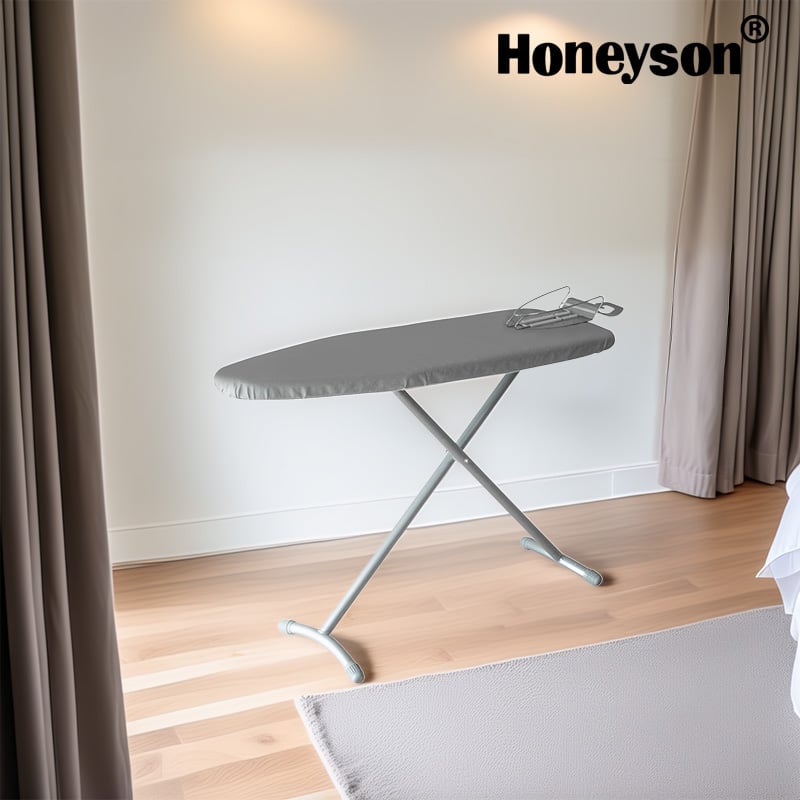
Wall mounted ironing boards have become essential fixtures in hotels, apartments, and homes where space efficiency matters. However, during routine inspections, facility managers and property owners often encounter consistent defects that compromise functionality and user safety. Understanding these common issues and knowing how to address them ensures your wall mounted ironing board remains reliable and performs as expected. Whether you operate a hotel ironing board system or maintain residential fold down ironing boards, recognizing these defects early prevents costly replacements and extends equipment lifespan.
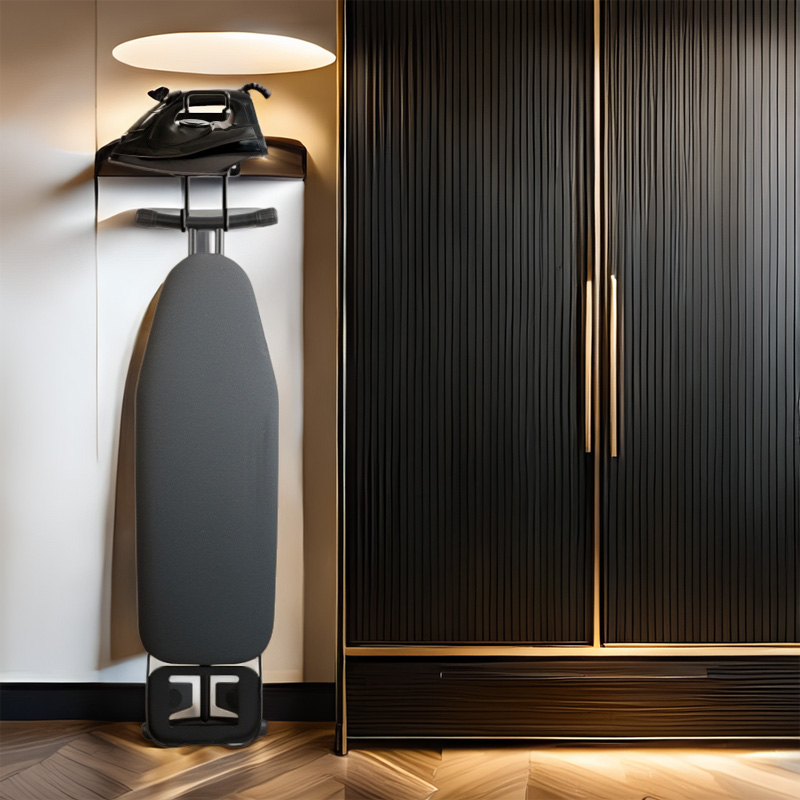
Many facility teams struggle to identify why a wall mounted ironing board deteriorates or stops functioning smoothly. The root causes often trace back to installation errors, material fatigue, or inadequate maintenance practices. By examining the most frequent defects discovered during inspections and implementing targeted fixes, property managers can ensure consistent quality and guest satisfaction. An best wall mounted ironing board combined with proper maintenance protocols creates a reliable solution for any hospitality or residential environment.
Common Structural Defects in Wall Mounted Units
Mounting Hardware Failures
The mounting bracket represents the critical foundation for any hotel ironing board. During inspections, loose or corroded fasteners frequently emerge as the leading structural problem. Metal corrosion accelerates in humid environments like bathrooms, weakening the bracket's ability to support the board securely. To fix this issue, inspect all bolts, screws, and anchors quarterly, replacing corroded hardware with stainless steel alternatives that resist moisture damage. Ensure mounting bolts are tightened to manufacturer specifications, and apply a thin layer of corrosion-resistant lubricant to prevent future oxidation. For wall mounted ironing board systems installed in high-humidity zones, consider upgrading to zinc-plated or galvanized fasteners that offer superior durability.
Surface Damage and Board Warping
A fold down ironing board surface endures repeated heat exposure, moisture, and pressure from the iron's weight. Over time, the board's core materials may warp, crack, or develop soft spots that compromise heat distribution and user safety. Inspect the surface for visible delamination, where the top covering separates from the core. Minor warping may be corrected by adjusting the board's leveling screws during installation, but significant damage requires replacement. Premium OEM ironing board designs incorporate reinforced core materials that resist warping better than budget alternatives, making them a worthwhile investment for commercial hotel ironing board applications.
Mechanical Function Issues During Inspection
Hinge and Locking Mechanism Problems
The hinge system on a fold down ironing board must operate smoothly while securing the board firmly in both open and closed positions. Defects typically include stiff hinges, creaking sounds, or incomplete locking that leaves the board slightly ajar. These problems arise from dust accumulation, lack of lubrication, or wear on hinge pins. To resolve hinge issues, clean the hinge joints thoroughly and apply a light machine oil or specialized hinge lubricant. If the locking mechanism fails to engage properly, examine the latch catch for deformation or misalignment. Many commercial hotel ironing board systems benefit from periodic hinge replacement to maintain smooth operation, particularly in high-traffic environments where the board is deployed multiple times daily.
Stability and Wobbling
A wall mounted ironing board must remain stable during ironing to prevent accidents and ensure garment quality. Wobbling or lateral movement during use typically indicates either loose mounting fasteners or worn support braces. Start by verifying that the wall mounting surface is solid and level, as installation on hollow drywall without proper anchors invites instability. Reinforce mounting by using heavy-duty toggle bolts or by securing the board directly to wall studs. For OEM ironing board units, check that all internal support rods and braces are tightened and undamaged. Test stability by applying moderate downward and lateral pressure to the board surface; any movement signals that repair work is necessary before the board can be safely used again.
Surface and Cover Defects
Cover Deterioration and Burn Marks
The padded cover on a hotel ironing board directly contacts the iron and receives occasional heat damage, stains, and wear. Inspections often reveal thin spots, burn marks, or areas where the padding has compressed unevenly. These defects affect ironing performance and diminish the professional appearance expected in hospitality settings. Replace covers that show significant wear, burn marks, or loss of padding thickness. When selecting replacement covers for a wall mounted ironing board, choose materials with high heat resistance and adequate padding density. Quality covers designed for OEM ironing board systems typically feature reinforced edges and durable fastening systems that resist unraveling during extended use.
Silicone Pad and Bracket Coating Issues
Many fold down ironing board designs include silicone pads or protective coatings to enhance ironing results and protect garment surfaces. Cracks, peeling, or separation of these coatings compromise the ironing experience and expose underlying materials. During inspection, test the adhesion of coatings by gently attempting to lift edges with a fingernail. If coatings are failing, remove the old material completely and apply fresh silicone or professional coating according to manufacturer guidelines. This maintenance step ensures your wall mounted ironing board continues to deliver consistent, professional ironing results while protecting the garments being pressed.
FAQ
What causes a wall mounted ironing board to stop folding smoothly?
Smooth folding depends on clean, well-lubricated hinges and proper alignment of the locking mechanism. Accumulated dust, dried residue, and lack of lubrication are the primary causes of stiff folding. Clean the hinge joints with a damp cloth, dry thoroughly, and apply a light machine oil or hinge lubricant. If a fold down ironing board still operates stiffly after lubrication, the hinge pins may be worn and require replacement. For hotel ironing board systems used frequently, establish a monthly lubrication schedule to maintain smooth operation and extend mechanical lifespan.
How do I know if my wall mounted ironing board is mounted securely enough?
Test security by applying steady downward and lateral pressure to the board surface while it is in the open, deployed position. The board should not move, creak, or flex noticeably. If you detect any movement or hear creaking sounds, the mounting fasteners are loose or the wall anchor system is inadequate. Verify that fasteners are tightened to specification, preferably using a torque wrench for consistency. Inspect the mounting surface for damage or deterioration. If mounting into drywall, use heavy-duty toggle bolts rated for the board's weight, or reinforce by securing directly to wall studs. An OEM ironing board typically comes with detailed mounting specifications that should be followed precisely to ensure safety.
Can a damaged ironing board cover be repaired, or must it be replaced?
Minor surface stains or small worn areas may be addressed through cleaning or targeted touch-up, but significant burn marks, unraveling seams, or loss of padding typically require full cover replacement. A compromised cover affects heat transfer, creates an unprofessional appearance, and can damage garments during ironing. When replacing a cover on your wall mounted ironing board, measure the board dimensions carefully and select a cover designed specifically for your model. For a hotel ironing board or commercial fold down ironing board, investing in a quality replacement cover ensures consistent ironing performance and maintains the professional standard expected in hospitality environments.