
 EN

Manufacturing an electric kettle that meets international safety and quality standards requires meticulous attention to detail throughout the production process. Non conformities in electric kettle design, materials, electrical components, and performance can lead to product recalls, safety hazards, regulatory fines, and damaged brand reputation. Understanding the most common defects and how manufacturers prevent them is essential for anyone sourcing or manufacturing these appliances at scale.
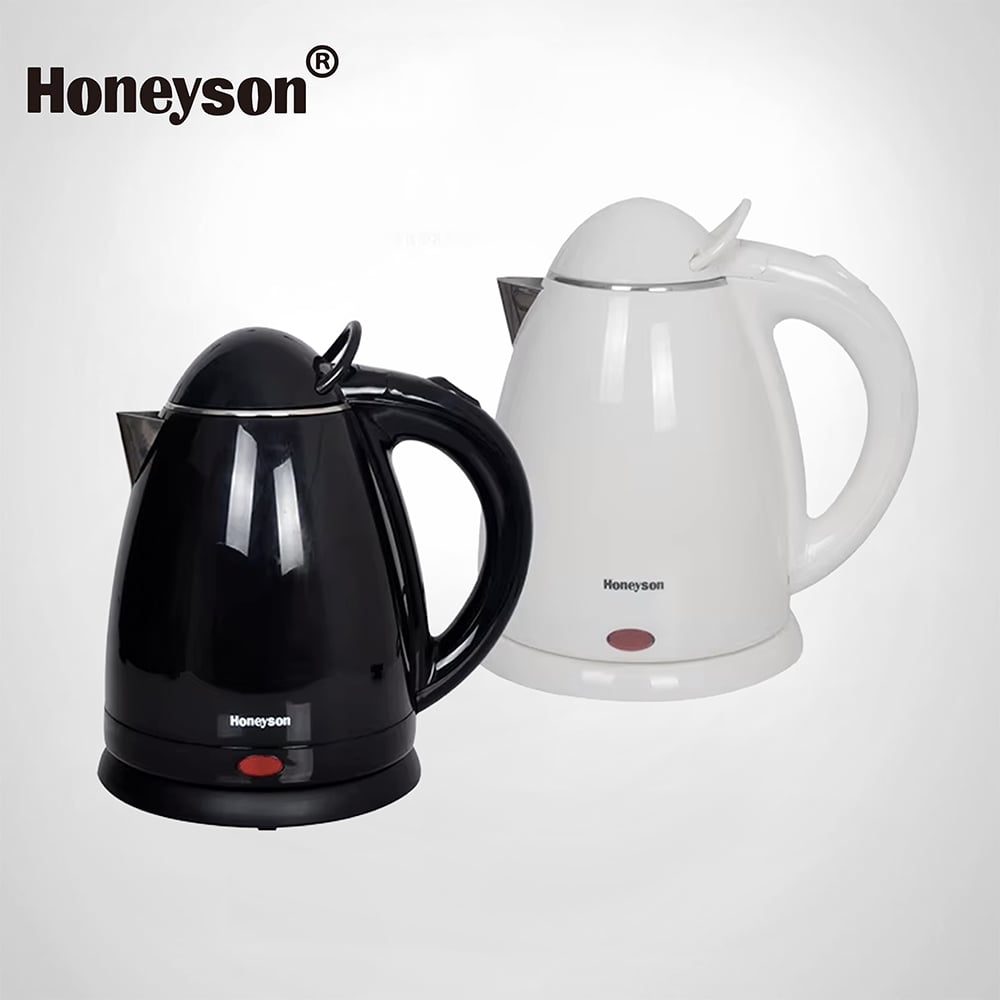
Whether you operate a hotel requiring bulk hotel electric kettle supplies or manage an OEM electric kettle production facility, compliance with quality standards begins with recognizing which defects are most prevalent and why they occur. Modern factories employ rigorous inspection protocols, material testing, and component verification to eliminate non conformities before products reach end users. This guide explores the critical areas where problems emerge and the systematic prevention strategies that leading manufacturers use to maintain consistent quality.
Understanding Common Electric Kettle Non Conformities
Electrical Safety and Component Failures
Electrical defects represent the highest-risk category of non conformities in electric kettle manufacturing. Faulty heating elements, improper insulation, inadequate ground connections, and defective power cord assemblies can cause electric shock, fire hazards, or thermal runaway conditions. Factories prevent these failures by sourcing certified components from qualified suppliers, conducting incoming material inspection on all electrical parts, and performing high-voltage dielectric strength tests on completed units. Each heating element undergoes resistance measurement to verify it meets design specifications before assembly.
Temperature control circuits and auto shut-off kettle mechanisms must function reliably to prevent overheating. Manufacturers test these systems through thermal cycling and prolonged operation trials. Quality-focused facilities maintain strict traceability records linking each component batch to final product testing results, enabling rapid identification of defective supplier batches if problems emerge in the field.
Material Degradation and Leakage Issues
Non conformities in material selection and construction frequently result in corrosion, material brittleness, and water leakage. Stainless steel bodies may develop pitting corrosion if low-grade material is used or if manufacturing processes introduce contamination. Plastic components can become brittle in cold storage conditions or fail under thermal stress. Factories address these risks by specifying material grades in design documentation, conducting salt-spray corrosion testing on metal parts, and performing pressure testing on complete assemblies to verify seal integrity.
For hotel electric kettle products in particular, materials must withstand frequent heating cycles and hard water mineral buildup. Manufacturers use descaling-resistant internal coatings and select gasket materials rated for extended thermal cycling. Regular pull-testing of assembled seals ensures they maintain pressure integrity across the product lifespan.
Quality Control Systems That Prevent Non Conformities
In-Process Inspection and Testing
Leading manufacturers of OEM electric kettle and hotel electric kettle products implement in-process quality gates at every production stage. After assembly of the heating element, electrical continuity testing confirms proper component installation. Before final packaging, each unit undergoes a full functional test cycle where the kettle is filled with water, powered on, and monitored for proper heating, temperature response, and auto shut-off kettle functionality. Infrared thermal imaging verifies temperature distribution across the heating surface, and pressure sensors confirm the internal heating chamber maintains safe operating conditions.
Statistical process control charts track variation in key measurements such as heating time, power consumption, and surface temperature uniformity. When measurements drift outside acceptable ranges, production stops immediately for root-cause investigation. This proactive approach prevents systematic defects from entering the supply chain rather than discovering them after shipment.
Third-Party Certification and Compliance Testing
Most auto shut-off kettle and electric kettle manufacturers pursue third-party certification under standards such as UL, CE, FCC, and RoHS to demonstrate compliance with international safety requirements. These certifications require independent laboratory testing of representative product samples for electrical safety, thermal performance, material composition, and electromagnetic compatibility. Factories maintain active calibration programs for test equipment and retain certification documentation for audit purposes.
Compliance testing identifies non conformities before commercial production begins. Once products are certified, manufacturers continue periodic surveillance testing to confirm ongoing compliance. Any design change, component substitution, or manufacturing process modification triggers re-evaluation to ensure the updated electric kettle still meets certification requirements.
Prevention Strategies for Specific Non Conformity Types
Thermal Performance and Safety Shutoff Reliability
Auto shut-off kettle mechanisms prevent boiling water from remaining on heating elements indefinitely, reducing energy waste and eliminating a common safety hazard. Manufacturing defects in thermostatic switches, bimetallic strips, or vapor-sensing diaphragms can cause premature shutoff or failure to shut off at all. Factories prevent these failures through precision calibration of thermal components during assembly, thermal cycle testing that replicates thousands of use cycles, and design redundancy where backup shutoff mechanisms engage if primary systems fail.
Hotel electric kettle products undergo extended endurance testing because guest rooms expect reliable performance across high-use environments. Manufacturers test at least 50,000 consecutive heating cycles with water drawn from typical hard-water supplies to replicate real-world usage patterns. This testing reveals degradation in thermal sensing accuracy or mechanical wear that would otherwise surface after products are deployed.
Corrosion Resistance in Wet Environments
Water-facing internal surfaces represent a critical non conformity risk area. Manufacturers specify marine-grade stainless steel or equivalent corrosion-resistant alloys for all components contacting water or steam. Welding processes and joints receive particular attention because improper welding technique introduces stress concentrations and material defects that accelerate corrosion initiation. Factories qualify welders through certification programs and perform destructive metallurgical testing on sample welds from production runs to confirm material integrity.
Surface passivation treatments remove iron particles from stainless steel after machining operations, preventing galvanic corrosion. OEM electric kettle manufacturers that serve hospitality clients apply additional protective coatings to exposed metal surfaces where hard water deposits might initiate corrosion. Regular coating inspection and reapplication during maintenance cycles extend product life and prevent warranty returns.
FAQ
What are the most common electric kettle non conformities manufacturers encounter?
The most prevalent defects include faulty electrical connections and heating elements, improper auto shut-off kettle mechanism calibration, water leakage at sealed joints, corrosion in stainless steel components, and inadequate thermal cycling durability. Factories address these through rigorous component sourcing, in-process electrical testing, high-cycle endurance trials, and material specification enforcement. Advanced manufacturers use statistical control methods to identify emerging defect patterns before they affect large production volumes.
How do factories ensure hotel electric kettle products meet durability requirements?
Hotel electric kettle manufacturers implement extended cycle testing programs simulating heavy use environments, perform accelerated corrosion testing on internal components exposed to hard water, and conduct detailed inspection after environmental stress cycles. Design features like mineral-trap filters, descaling ports, and reinforced thermal shutoff mechanisms specifically address hospitality sector durability requirements. Traceability systems link every component to final quality records, enabling rapid corrective action if field failures occur in guest rooms.
What role does OEM electric kettle design play in preventing non conformities?
Design fundamentally determines whether an OEM electric kettle can be manufactured consistently without defects. Factories collaborate with design teams to select materials appropriate for high-temperature water exposure, specify precision tolerances on critical dimensions that affect thermal performance and seal integrity, and incorporate redundant safety features. Design reviews with manufacturing and quality personnel occur before production launch to identify buildability issues, material sourcing challenges, and testing requirements early when changes are least expensive.
