
 EN
Selecting between standard and heavy duty hotel product lines is one of the most consequential decisions hospitality operators face when managing their properties. The choice directly impacts operational budgets, guest satisfaction, and long-term asset management across your entire facility. Whether you're operating a boutique property or managing a large portfolio, understanding the cost and service life differences between these two categories of hotel supplies will help you make informed purchasing decisions that align with your specific operational demands and financial constraints.
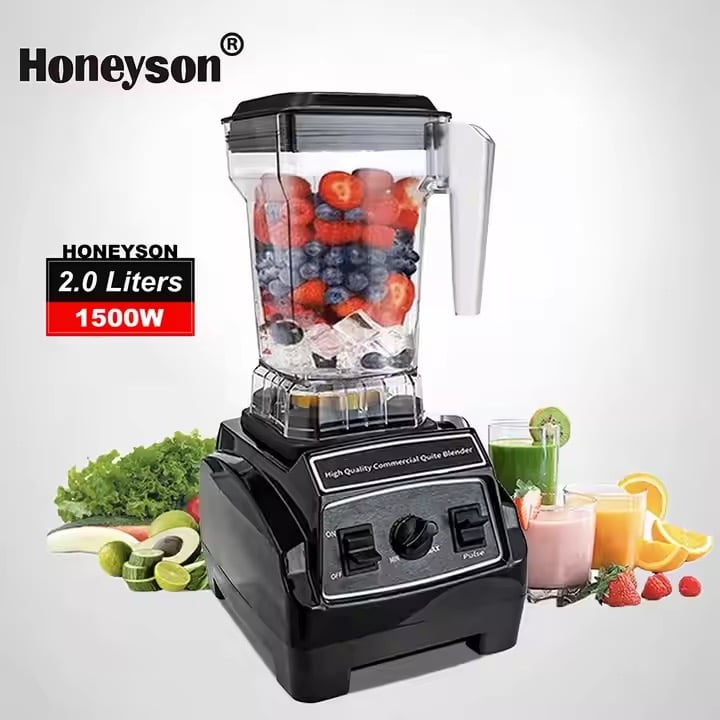
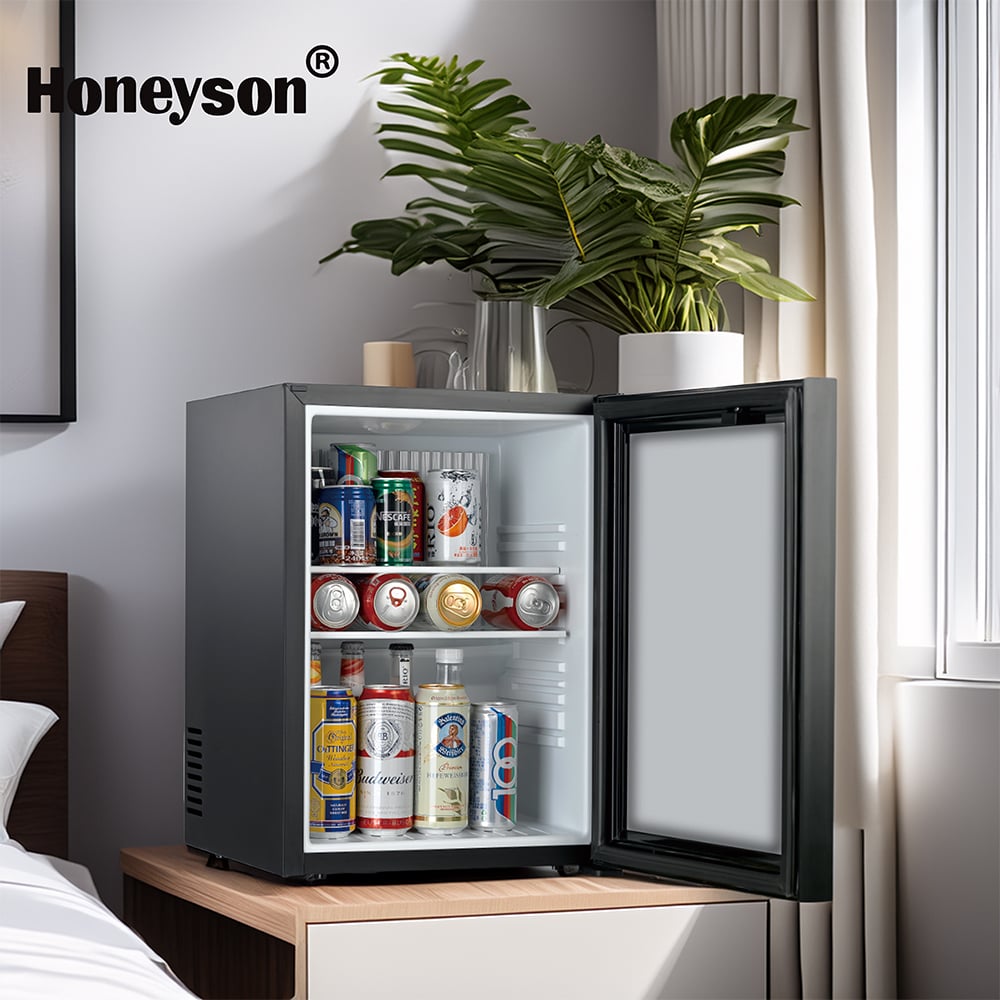
The hospitality industry relies heavily on reliable equipment and furnishings, from kitchen appliances to guest room furniture and linens. Understanding which category of hotel room appliances serves your property best requires analyzing both upfront acquisition costs and the total cost of ownership over the equipment's functional lifespan. Heavy duty variants often command higher initial prices, but their extended service life and reduced replacement frequency can deliver superior value for high-traffic environments, while standard options may suit lower-demand applications more cost-effectively.
Understanding Standard Hotel Product Lines
Core Characteristics and Design Intent
Standard hotel supplies and guest room equipment are engineered for typical hospitality environments with moderate usage patterns. These products typically feature basic construction, commonly sourced materials, and functional designs optimized for cost efficiency rather than extreme durability. When examining OEM hotel products in the standard category, you'll find they balance affordability with acceptable performance, making them attractive for properties where guest turnover follows predictable patterns and wear rates remain within normal ranges.
Standard hotel room appliances and furniture generally come with manufacturer warranties ranging from one to three years, reflecting their expected service life under normal conditions. These items often require replacement every five to seven years depending on usage intensity, seasonal variations, and maintenance protocols. For budget-conscious properties or boutique establishments with lower occupancy rates, standard hotel supplies frequently provide adequate functionality without excessive capital expenditure.
Cost Structure and Initial Investment
The upfront purchase price of standard hotel products typically represents 40 to 60 percent less than comparable heavy duty alternatives. This lower acquisition cost makes standard OEM hotel products particularly appealing during property renovations, large-scale outfitting projects, or when establishing new locations. However, suppliers hotel vendors distinguish these lines not just by price but by the total number of units you can equip within a fixed budget, allowing more comprehensive facility upgrades across multiple guest rooms simultaneously.
Standard hotel supplies often come with basic features and limited customization options, which streamlines manufacturing and reduces overall costs. Guest room equipment in this category typically uses lighter gauge materials, simpler mechanical components, and less sophisticated control systems. While these design choices reduce expenses, they also establish the foundation for accelerated wear patterns under intensive use conditions typical in high-occupancy hotel environments.
Exploring Heavy Duty Hotel Product Lines
Enhanced Construction and Extended Performance
Heavy duty hotel room appliances represent the premium tier of guest room equipment, constructed with reinforced materials, advanced engineering, and rigorous quality controls that distinguish them from standard alternatives. These OEM hotel products feature thicker steel components, premium electrical systems, and sophisticated temperature and load management technologies designed to withstand continuous, demanding use cycles. Hotels choosing heavy duty hotel supplies benefit from equipment that maintains consistent performance across extended operational hours and higher guest volumes without accelerated degradation.
The construction philosophy behind heavy duty products emphasizes redundancy and resilience, often incorporating backup systems, enhanced cooling capacities, and reinforced structural elements. These hotel room appliances typically carry manufacturer warranties extending five to ten years, reflecting confidence in their extended service life. Suppliers hotel specialists recognize that heavy duty variants serve high-occupancy properties where equipment utilization rates far exceed standard design parameters, requiring fundamentally different engineering approaches.
Service Life and Replacement Economics
Heavy duty guest room equipment commonly provides functional service life extending 10 to 15 years or longer when properly maintained, effectively doubling or tripling the longevity compared to standard alternatives. This extended service life fundamentally alters the total cost of ownership equation, as replacement frequency and associated labor costs decline substantially over the property's operational timeline. When calculating long-term expenses, the higher initial investment in heavy duty hotel supplies often becomes economically justified through reduced replacement cycles and minimized service disruptions.
OEM hotel products in the heavy duty category typically maintain resale value more effectively than standard options, creating secondary market opportunities for property upgrades or renovations. This residual value advantage, combined with lower failure rates and extended warranties, creates multiple cost-recovery mechanisms beyond simple operational functionality. Hotel managers evaluating suppliers hotel portfolios increasingly recognize that heavy duty options provide superior total value in high-demand environments where reliability directly influences guest experience and operational continuity.
Comparative Cost and Service Life Analysis
Total Cost of Ownership Framework
Evaluating standard versus heavy duty hotel supplies requires moving beyond simple purchase price comparisons toward comprehensive total cost of ownership assessments. This analysis includes acquisition costs, installation expenses, ongoing maintenance requirements, energy consumption, replacement frequency, and downtime costs associated with equipment failures. When suppliers hotel specialists conduct these evaluations, heavy duty products frequently emerge as the economically superior choice for high-occupancy properties, despite requiring significantly larger initial capital outlays.
The financial calculation shifts dramatically based on occupancy rates, operational intensity, and property-specific usage patterns. A boutique hotel with 60 percent average occupancy and moderate guest room equipment demands may find standard hotel supplies entirely adequate and more cost-effective. Conversely, full-service properties operating at 85 percent occupancy with multiple high-demand appliances typically experience rapid deterioration of standard products, making the premium investment in heavy duty alternatives economically rational despite higher upfront expenses.
Service Life Implications for Operational Planning
Heavy duty guest room equipment extends predictable service windows, enabling property managers to plan maintenance cycles, budgeting, and replacement schedules with greater accuracy. Standard hotel products create compressed replacement timelines that necessitate frequent capital investment rounds, complicating budgetary forecasting and creating unpredictable maintenance demands. Properties utilizing heavy duty OEM hotel products can confidently project equipment lifecycles spanning multiple operational planning horizons, facilitating strategic capital allocation and reducing emergency replacement situations.
The reduced failure rate inherent in heavy duty hotel room appliances directly enhances guest satisfaction by minimizing service disruptions and room unavailability. When standard products fail frequently, housekeeping teams spend additional time performing repairs, replacements, and troubleshooting rather than completing regular turnover procedures. Suppliers hotel professionals recognize that the operational benefits of heavy duty equipment extend well beyond cost accounting into guest experience management and staff productivity enhancement.
FAQ
When should a hotel property invest in heavy duty products instead of standard hotel supplies?
Heavy duty guest room equipment becomes the optimal choice when properties maintain occupancy rates above 75 percent, operate in full-service categories with extensive amenity offerings, or face frequent turnover cycles in specific room categories. Properties experiencing higher maintenance costs, frequent equipment failures, or operational disruptions caused by equipment breakdowns should seriously evaluate heavy duty alternatives despite higher initial investment. Consulting with suppliers hotel specialists can help determine whether your specific property profile justifies the premium investment based on projected service life and operational demands.
How significantly does service life differ between standard and heavy duty hotel room appliances?
Standard hotel supplies typically provide five to seven years of reliable service under normal usage conditions, while heavy duty OEM hotel products commonly deliver 10 to 15 years or longer. This two to three-fold extension in service life represents the primary economic justification for heavy duty products in demanding environments. However, actual service life depends substantially on maintenance quality, installation procedures, and property-specific usage patterns, making detailed maintenance protocols essential for maximizing longevity regardless of product category.
What specific guest room equipment most benefits from the heavy duty investment?
High-frequency-use appliances like coffee makers, bathroom ventilation systems, and climate control equipment experience the most dramatic performance degradation under intensive use, making them prime candidates for heavy duty hotel room appliances. Kitchen fixtures and refrigeration units in extended-stay properties also justify heavy duty specifications due to continuous operational demands. Consulting with OEM hotel products specialists helps identify which specific equipment categories generate the highest failure rates in your property, enabling targeted heavy duty investments that maximize return on capital.