
 EN
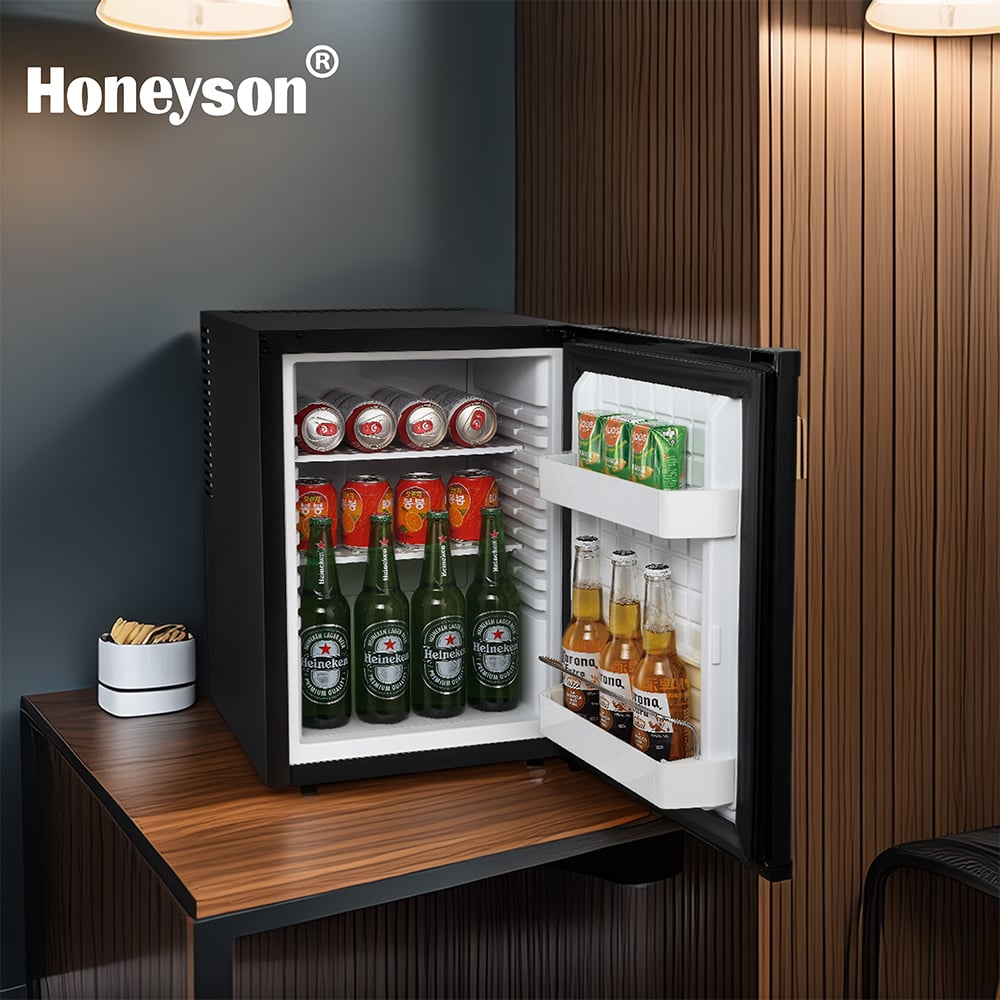
Shipping hotel supplies and guest room equipment to Gulf markets requires strict adherence to packaging and labeling standards that differ significantly from domestic shipping. Understanding these regulations is essential for suppliers hotel operations that want to maintain compliance, protect product integrity, and ensure smooth customs clearance. The Gulf region—comprising countries like the United Arab Emirates, Saudi Arabia, Kuwait, and Qatar—has established specific requirements that govern how hotel room appliances and other hospitality products must be packaged, labeled, and documented. Failure to meet these standards can result in delays, fines, or shipment rejection, making it critical for exporters to understand the full scope of these requirements before sending goods.
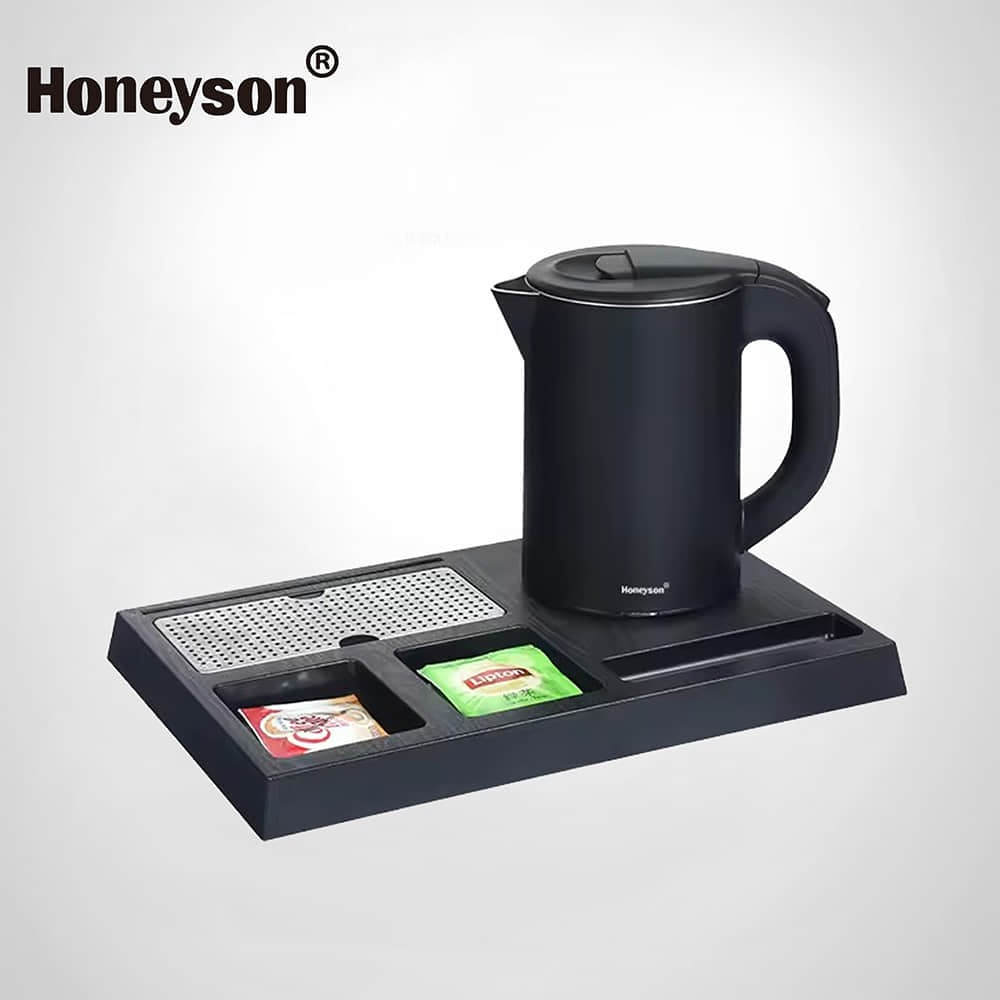
The regulatory landscape for OEM hotel products in Gulf markets encompasses customs regulations, consumer protection standards, and import-specific documentation protocols. Whether you are a manufacturer, distributor, or logistics provider handling hotel room appliances, you must coordinate packaging strategies with labeling compliance to meet both technical and administrative requirements. This guide walks through the essential rules, best practices, and practical implementation strategies that enable suppliers hotel to successfully navigate Gulf market entry and maintain ongoing compliance with evolving standards.
Understanding Gulf Market Packaging Standards
Core Packaging Requirements for Hotel Supplies
Hotel supplies destined for Gulf markets must be packaged in materials that protect products during transit while meeting environmental and safety standards recognized by regional authorities. The primary packaging—the innermost layer protecting the product—must be durable, moisture-resistant, and capable of withstanding temperature fluctuations common in Middle Eastern shipping environments. Guest room equipment such as kettles, coffee makers, and other appliances require individual protective wrapping with shock-absorbing materials to prevent damage during handling and transport. OEM hotel products must include original manufacturer packaging whenever possible, as Gulf customs authorities often verify product authenticity through packaging integrity and marking consistency.
Secondary packaging, which encompasses the outer carton or shipping container, serves multiple compliance functions. This layer must display bilingual labeling in English and Arabic, clearly identifying the product category, contents, and intended use. For hotel room appliances, the secondary packaging must include product specifications, country of origin, manufacturing date, and batch or serial numbers traceable to the original manufacturer. The material quality of secondary packaging is equally important—suppliers hotel must use corrugated cardboard of sufficient thickness (typically at least 3mm) to prevent crushing during stacking and handling in warehouse environments.
Environmental and Material Restrictions
Gulf countries have increasingly strict environmental regulations that restrict certain packaging materials and substances. Hotel supplies and guest room equipment cannot be packaged using materials containing prohibited chemicals such as certain plasticizers, heavy metals, or ozone-depleting substances. OEM hotel products must comply with the Gulf Cooperation Council (GCC) standards, which align with international environmental directives while incorporating regional preferences for sustainable packaging. Suppliers hotel sourcing materials from international vendors must verify compliance documentation for all packaging components, including adhesives, inks, and lamination materials used in label production.
Labeling Requirements and Documentation Standards
Multilingual Labeling for Hotel Room Appliances
All hotel supplies shipped to Gulf markets must display labels in both English and Arabic, with Arabic text positioned prominently on the principal display panel. For guest room equipment such as kettles and other electrical appliances, the label must include safety warnings, usage instructions, and maintenance guidance in both languages. The font size for Arabic text must be legible and comparable in prominence to English text—this is a common point of non-compliance for suppliers hotel unfamiliar with regional standards. OEM hotel products require manufacturer contact information, warranty terms, and customer service numbers in Arabic, enabling end-users and hotel management to access support in their preferred language.
Product information on labels for hotel room appliances must include voltage specifications, frequency ratings, power consumption, and compliance certifications relevant to Gulf markets. Guest room equipment labels must prominently display CE marking, GCC certification, or equivalent regional safety approval marks. The label must state 'Made in [Country]' to indicate country of origin clearly. For suppliers hotel manufacturing products overseas, the label must accurately reflect the actual manufacturing location, not the distribution hub.
Regulatory Compliance Documentation
Hotel supplies entering Gulf markets require comprehensive documentation packages accompanying each shipment. The commercial invoice, packing list, and bill of lading must clearly correspond to the physical goods and labeling information. OEM hotel products require certificates of conformity or compliance certificates issued by recognized testing laboratories, confirming that guest room equipment meets relevant technical standards. Suppliers hotel must obtain these certifications before shipment; Gulf customs authorities will not accept goods with incomplete or missing compliance documentation.
Specific to hotel room appliances, electrical safety certificates become mandatory. These certificates must confirm that products meet IEC (International Electrotechnical Commission) standards or equivalent regional safety requirements. For products containing materials subject to restricted substance limits, suppliers hotel must provide test reports demonstrating compliance with chemical composition limits. Documentation must be in English or accompanied by certified Arabic translations, though English is typically accepted for technical documentation in commercial contexts.
Practical Implementation and Compliance Strategies
Coordinating Packaging Design with Customs Requirements
Successful market entry for suppliers hotel requires aligning packaging design with customs documentation systems from the initial product planning stage. Guest room equipment manufacturers should conduct pre-shipment audits comparing their current packaging standards against GCC requirements to identify gaps. Hotel supplies packaging should include QR codes or batch tracking systems that facilitate customs scanning and verification processes. OEM hotel products benefit from standardized packaging dimensions that align with pallet systems commonly used in Gulf logistics, reducing handling time and risk of damage during warehouse operations.
Digital documentation systems have become increasingly important for suppliers hotel managing multiple shipments. Creating digital archives of labeling designs, compliance certificates, and testing reports enables rapid verification during customs inspections and reduces clearance times. Hotel room appliances should maintain consistent packaging specifications across production batches to simplify customs inspection processes and build regulatory confidence in your supply chain.
Common Compliance Pitfalls and Solutions
Suppliers hotel frequently encounter compliance issues related to incomplete or inaccurate Arabic labeling on hotel supplies. Hiring professional Arabic translators familiar with technical terminology ensures that guest room equipment descriptions, warnings, and instructions translate accurately rather than through automated systems. OEM hotel products sometimes lack required certification marks because manufacturers source components from multiple regions; establishing a comprehensive supply chain audit process prevents this issue. Another common pitfall involves inconsistent country-of-origin labeling when hotel room appliances are assembled from imported components—the label must reflect the final assembly location, not intermediate manufacturing stages.
Temperature and humidity control during storage represents a practical challenge for suppliers hotel managing inventory in transit to Gulf destinations. Hotel supplies packaging must account for potential condensation and temperature extremes, as goods stored in uncontrolled warehouse environments may experience moisture damage. Guest room equipment should be packaged with desiccant packets when appropriate to protect electrical components. Testing packaging integrity through trial shipments to representative Gulf locations helps identify weaknesses before full-scale market expansion.
FAQ
What specific labeling requirements apply to electrical guest room equipment?
Electrical guest room equipment must display safety certifications, voltage specifications, frequency ratings, and compliance marks in both English and Arabic. All electrical hotel room appliances require bilingual warning labels and usage instructions prominently placed on the product and packaging. Manufacturer contact information and warranty terms must appear in Arabic to comply with Gulf consumer protection standards.
How do suppliers hotel manage compliance across multiple Gulf markets?
While GCC standards provide a unified framework for hotel supplies, individual Gulf countries may impose additional requirements. Suppliers hotel should verify specific regulations with local customs authorities in target destinations. OEM hotel products may require country-specific approvals in addition to GCC certifications, making regulatory coordination a critical component of market entry strategy.
Can suppliers hotel use the same packaging for different export destinations?
No, guest room equipment and hotel supplies packaging must be customized for Gulf markets to meet bilingual labeling, compliance documentation, and environmental standards. OEM hotel products designed for other regions may require repackaging before Gulf shipment. Attempting to use non-compliant packaging can result in customs delays, fines, or shipment rejection, making destination-specific packaging investment essential for successful market operations.
