
 EN
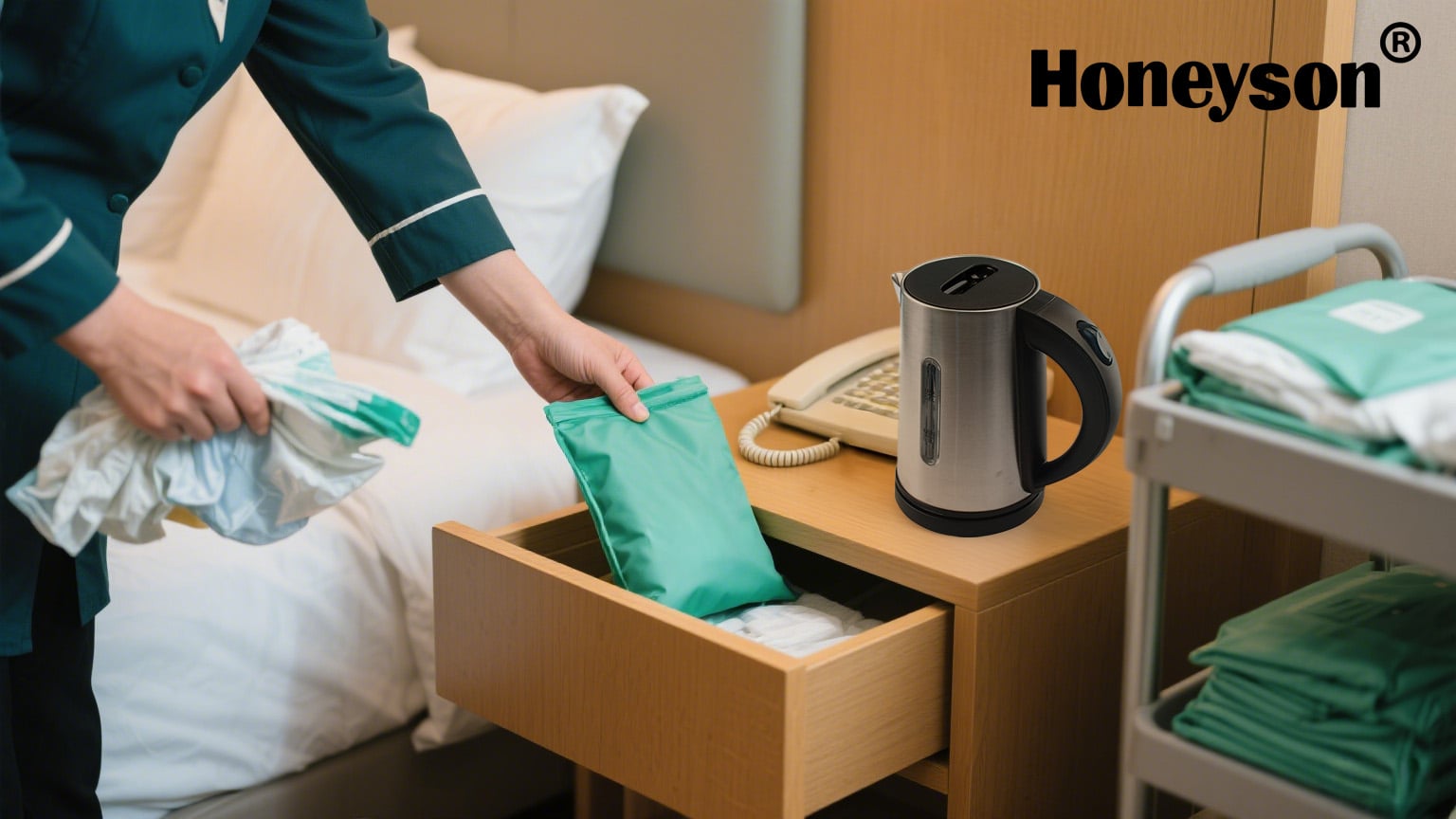
Hotel project planning requires careful coordination of multiple factors, and understanding how annual capacity and lead time interact is essential for success. When hotels plan renovations, expansions, or new openings, they must work with suppliers hotel who can meet their timeline and volume requirements. The relationship between a supplier's annual capacity and the lead time they offer directly impacts your project schedule, budget, and operational readiness. Misaligning these factors can result in project delays, increased costs, or compromised quality in your guest room equipment selection.
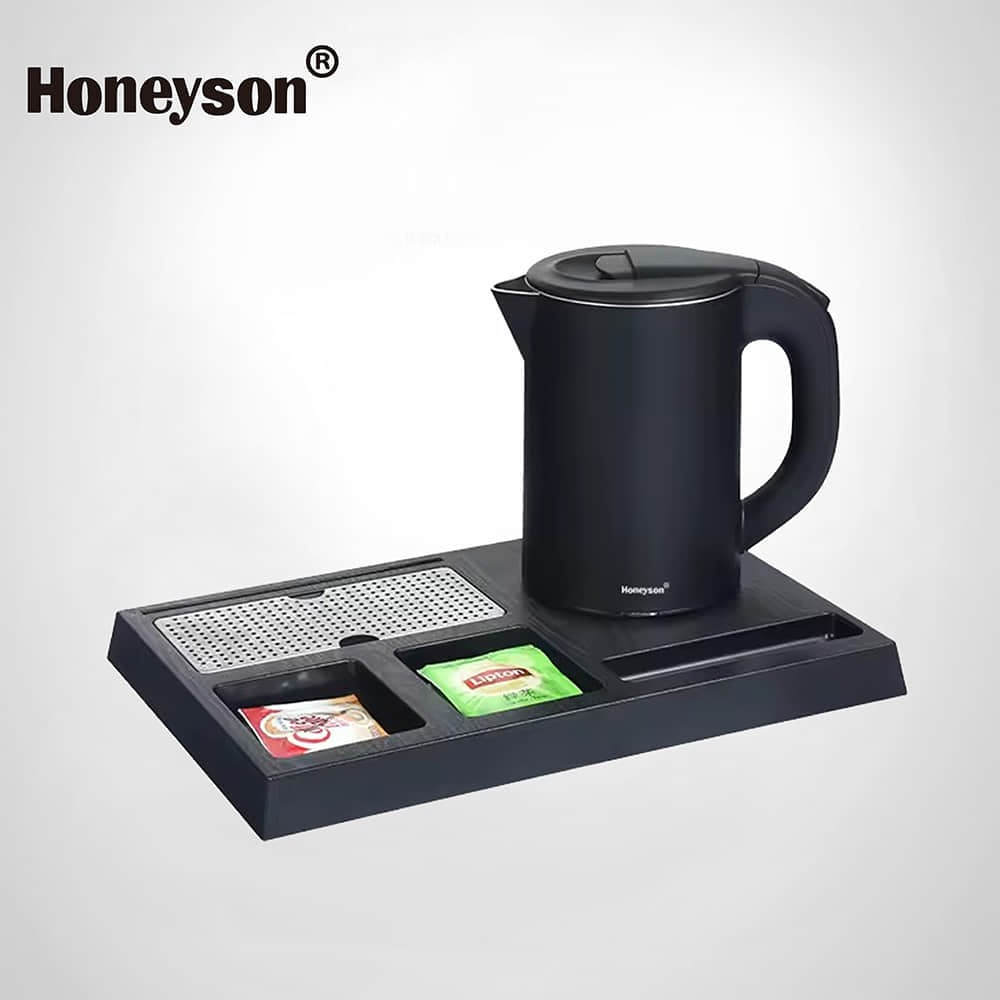
Annual capacity determines how much hotel room appliances a supplier can manufacture or deliver within a calendar year, while lead time represents the period between placing an order and receiving the finished hotel supplies. These two variables create a strategic constraint that hotel project managers must understand and plan around. When you select OEM hotel products from a specific vendor, their capacity ceiling and production timeline become your project constraints. A supplier with high annual capacity but long lead times may not serve urgent projects, while one with short lead times but limited capacity might struggle with large-scale deployments.
Understanding Annual Capacity in Supplier Selection
What Annual Capacity Means for Hotel Projects
Annual capacity refers to the total quantity of guest room equipment or OEM hotel products a supplier can produce or procure within twelve months. For hotel supplies vendors, this capacity is determined by their manufacturing infrastructure, workforce, inventory levels, and distribution network. When you approach suppliers hotel representatives with a large order, the first question they typically assess is whether your volume fits within their annual capacity allocation. If your project requires 500 room packages within six months but your chosen supplier has an annual capacity of only 600 units across all customers, you face a serious bottleneck.
Capacity Constraints and Resource Planning
Suppliers often allocate their annual capacity across multiple hotel projects, corporate clients, and distribution channels. Understanding this allocation helps you anticipate availability windows and negotiate realistic timelines. Hotel room appliances from major OEM hotel products manufacturers may have different capacity levels for different product lines. A supplier might have high capacity for standard kettle sets but limited capacity for custom-configured guest room equipment. This reality means you cannot assume that just because a vendor exists, they can immediately fulfill your entire hotel supplies order.
The Role of Lead Time in Project Timeline Development
Lead Time as Your Project Anchor
Lead time establishes the minimum duration between order placement and product delivery. For hotel supplies, lead times typically range from 4 to 16 weeks depending on whether items are stock, semi-customized, or fully custom OEM hotel products. Your project timeline must accommodate this lead time as a fixed constraint. If you need 200 guest room equipment units operational by March 1st and the supplier's lead time is twelve weeks, you must place your order by mid-December. Working backward from your project completion deadline using the supplier's lead time determines your critical order date.
Lead Time Variability and Risk Management
Lead times are not always fixed; they fluctuate based on supplier demand, raw material availability, and global logistics conditions. When evaluating suppliers hotel options, you should understand whether quoted lead times are guaranteed or approximate. Hotel room appliances from suppliers with volatile lead times introduce schedule risk into your project. Some vendors offer premium pricing for expedited delivery or hold inventory specifically for urgent hotel supplies orders. Understanding these trade-offs helps you make informed decisions about which OEM hotel products supplier aligns with your project's risk tolerance and budget.
Optimizing the Capacity-Lead Time Interaction
Strategic Ordering Aligned with Capacity Windows
Effective hotel project planning requires ordering during periods when suppliers hotel have available capacity in their pipeline. If a vendor typically experiences peak demand in Q3 due to summer hotel renovations, placing your order in Q4 or Q1 may yield shorter lead times and better pricing. When you need guest room equipment for a spring opening, securing commitments from your OEM hotel products supplier by late autumn ensures you access their less-constrained capacity. This proactive approach to hotel supplies procurement reduces competition for production slots and often results in more favorable terms. Many experienced project managers build a six-to-nine-month planning horizon specifically to negotiate with suppliers before their capacity fills.
Aligning Volume with Supply Chain Realities
Your requested quantity directly influences lead time negotiations. Larger orders for hotel room appliances often qualify for volume discounts but may require longer lead times due to manufacturing scale. Conversely, smaller orders of guest room equipment might incur expedite fees but deliver faster. Understanding your supplier's minimum order quantities, volume thresholds, and corresponding lead times allows you to structure your hotel supplies purchases strategically. Some OEM hotel products manufacturers reserve expedited lead times for clients ordering above certain thresholds, while others apply flat timelines regardless of volume. Transparency around these policies prevents surprises during project execution.
FAQ
How can I reduce lead time if my hotel supplies order is urgent?
Options include requesting expedited production from your suppliers hotel at a premium cost, purchasing guest room equipment from inventory stock rather than made-to-order OEM hotel products, splitting your order across multiple vendors to access additional capacity, or negotiating partial shipments of hotel room appliances to begin your project sooner. Some OEM hotel products suppliers maintain strategic inventory specifically for urgent orders, though availability varies by product line. Direct communication with your vendor about timeline constraints often reveals options not initially apparent.
What happens if a supplier's annual capacity is exhausted before my project needs delivery?
If a suppliers hotel vendor reaches annual capacity limits, they may decline new orders, extend lead times significantly, or refer you to partner vendors. This situation highlights why early engagement with hotel supplies vendors is critical. Identify backup OEM hotel products suppliers during your planning phase so you have alternatives if your primary vendor cannot accommodate your project. Some hotel room appliances vendors operate on allocation systems where existing clients receive priority, meaning new projects face uncertainty if ordered late in the supplier's fiscal year.
Should I prioritize short lead time or low cost when selecting suppliers hotel?
The answer depends on your project timeline flexibility and budget constraints. If your hotel opening date is fixed and non-negotiable, prioritize suppliers with lead times that fit your schedule, accepting higher costs if necessary for guest room equipment delivery. If you have schedule flexibility, choosing OEM hotel products suppliers with longer but more affordable lead times can reduce project costs. Most hotels balance both factors by identifying a target lead time window acceptable for their project, then selecting the hotel supplies vendor offering the best value within that constraint. Understanding your true deadline constraints before vendor selection prevents costly compromises during execution.
