
 EN
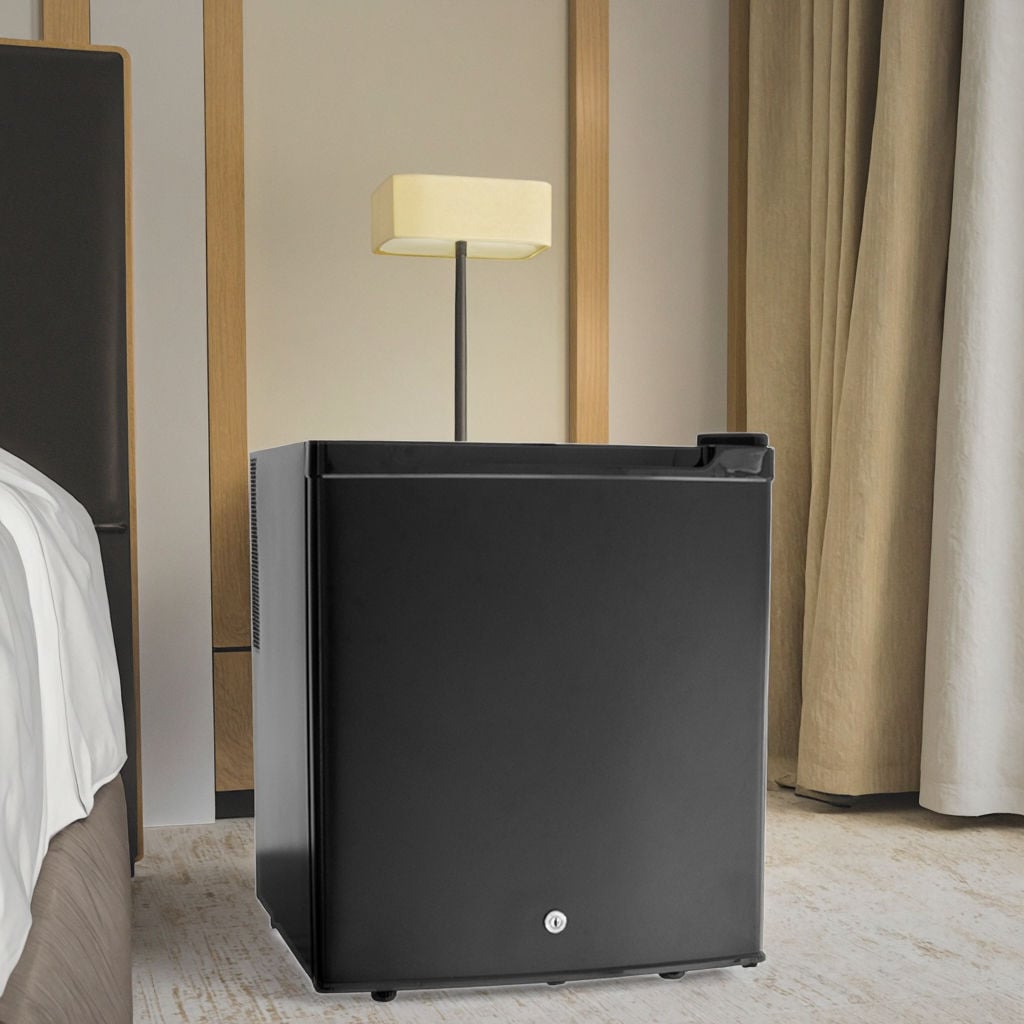
When hotel operators evaluate room products from suppliers hotel sources, electrical safety must be the first consideration. Guest safety depends directly on how well hotel room appliances are designed and manufactured. Every electrical product installed in a guest room—from hair dryers to charging stations to bedside lighting controls—carries responsibility for guest protection. Hotels that prioritize safe electrical design in their OEM hotel products procurement build trust with guests and reduce liability exposure significantly.
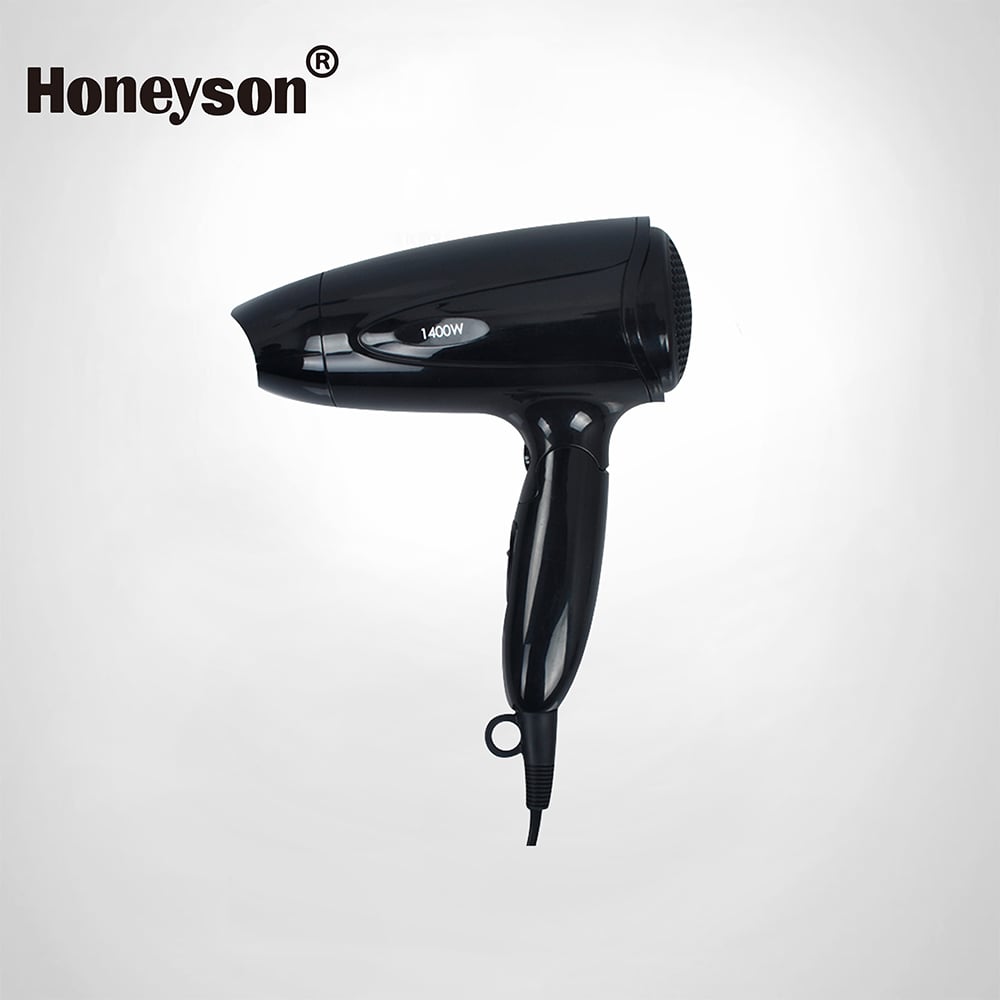
Hotel room appliances present unique electrical challenges because they operate in high-moisture environments where guests of varying technical knowledge interact with them daily. Unlike residential appliances used by a single household, hotel supplies must withstand continuous use cycles, frequent cleaning with water, and unpredictable user behavior. This reality demands that hotel room equipment manufacturers build safety layers directly into product design rather than relying on user awareness or maintenance protocols alone.
Essential Electrical Safety Features in Hotel Room Equipment
Moisture and Water Protection Standards
Guest room equipment operates in bathrooms and bedrooms where humidity levels exceed typical home environments. OEM hotel products must incorporate waterproofing standards that go beyond basic splash resistance. Wet location-rated fixtures, sealed connector designs, and corrosion-resistant materials protect against moisture intrusion that can cause electrical faults, arcing, or unexpected shutdowns during guest use.
Quality hotel supplies implement multiple moisture barriers: sealed junction boxes, potted electronics, and hydrophobic drain systems that prevent water accumulation inside electrical components. Products like wall-mounted hair dryers and showers with integrated controls face constant exposure to spray and steam. Manufacturers who specify IP65 or higher ingress protection ratings ensure that hotel room appliances maintain safety performance even after years of wet-environment operation.
Ground Fault and Overcurrent Protection
Ground fault circuit interrupter (GFCI) and arc fault circuit interrupter (AFCI) protection form the foundation of modern electrical safety in guest environments. Most hotel room equipment sold today incorporates either built-in GFCI protection or integrates safely with dedicated GFCI outlets. This dual-layer approach—both at the device and the circuit level—ensures that dangerous ground faults are detected and interrupted in milliseconds.
When sourcing from suppliers hotel partnerships, verify that OEM hotel products meet current National Electrical Code (NEC) and International Electrotechnical Commission (IEC) standards for fault protection. Equipment with manual reset mechanisms allows staff to test protection function regularly without replacing components, reducing downtime and maintenance costs across your guest room inventory.
Thermal Safety and Overheat Prevention
Temperature Monitoring and Cutoff Systems
Thermal runaway conditions pose particular risk in hotel room appliances because guests may use products continuously without interruption. High-performance hotel supplies include built-in thermostats and thermal cutoff switches that automatically limit temperature or shut down operation when preset thresholds are reached. Hair dryers, heated towel racks, and bedside warming features all benefit from active thermal management integrated at the component level.
Reliable OEM hotel products use dual-stage thermal protection: first a thermostat that regulates normal operating temperature, and second a manual-reset thermal cutoff that prevents operation if the thermostat fails. This redundant design philosophy appears throughout professional hotel room equipment and reflects decades of learning about failure modes in high-use environments. When evaluating guest room equipment options, ask manufacturers for detailed thermal test data demonstrating how their products behave under extended-use scenarios.
Material Selection and Heat Dissipation
The materials chosen for hotel room appliances directly influence thermal safety performance. Quality suppliers hotel relationships deliver products using flame-retardant plastics rated to UL 94 V-0 standard, copper or aluminum heatsinks that efficiently dissipate thermal load, and ventilation designs that prevent hot-spot accumulation. Surface temperatures on accessible areas must remain within safe limits even during continuous guest use.
Hotel supplies that generate heat—such as in-room coffee makers, hair dryers with concentrated airflow, and heated mirrors—require particular attention to material composition and airflow design. Manufacturers who invest in thermal modeling during product development deliver more reliable guest room equipment that maintains consistent performance through thousands of use cycles while minimizing thermal-related failures or safety hazards.
Mechanical Design for Durability and Safe Operation
Strain Relief and Cord Protection
Electrical cords represent one of the most frequently damaged components in hotel room appliances because guests move equipment, wrap cords tightly, and operate products while partially submerged or spray-exposed. Strong OEM hotel products feature reinforced strain relief at both the power plug and the equipment connection point. These mechanical reinforcements prevent internal wire fractures that could expose conductors and create shock or fire hazards.
Professional hotel room equipment incorporates right-angle power connectors that redirect cord stress away from the main housing, flexible conduit protection over vulnerable wire sections, and quick-disconnect connectors that allow safer unplugging under load. Quality hotel supplies utilize UL-listed cord assemblies rated for the specific power levels and environmental conditions of wet-location use, ensuring that power delivery remains safe throughout the equipment lifecycle.
Accessible Shutoff and User Control Design
Guest safety requires that all hotel room appliances provide intuitive, mechanical means to stop operation immediately. Simple on/off switches with tactile feedback, emergency cutoff buttons for permanent installations, and designs that prevent accidental re-engagement build confidence and control for guests and hotel staff alike. Suppliers hotel should provide products with switch designs tested for reliability through millions of actuations.
Large toggle switches, mushroom-head emergency stops, and color-coded control indicators help guests and staff quickly engage safety mechanisms without confusion or hesitation. When evaluating different hotel supplies and guest room equipment options, verify that all manual controls operate smoothly and maintain their function after extended use and exposure to humidity and cleaning chemicals typical in hospitality environments.
Compliance and Certification Standards
International Electrical Safety Certifications
Professional OEM hotel products carry certifications from recognized testing laboratories such as UL (Underwriters Laboratories), ETL (Intertek), or equivalent regional authorities. These third-party certifications validate that hotel room appliances meet stringent electrical safety, thermal performance, and mechanical integrity standards before reaching guest rooms. Reputable suppliers hotel maintain current certifications and provide documentation proving that manufactured batches comply with listed specifications.
Hotels should verify certification status during procurement and request copies of current certificates for all critical guest room equipment. This documentation serves both regulatory compliance purposes and provides evidence of due diligence should incidents occur. Quality hotel supplies manufacturers maintain traceability records linking each batch to specific test reports, allowing hotels to document the safety pedigree of their equipment inventory.
Regular Audits and Ongoing Compliance
Beyond initial certification, proactive hotel suppliers conduct regular internal testing, maintain manufacturing quality controls, and update product designs as electrical codes evolve. Guest room equipment that met safety standards five years ago may no longer align with current requirements, so hotels benefit from maintaining communication with suppliers hotel about product updates and compliance status. Many leading OEM hotel products manufacturers publish safety bulletins, conduct field audits, and offer retrofit programs for existing installations.
FAQ
What specific electrical testing should hotels perform on new guest room equipment before installation?
Before deploying new hotel room appliances, facilities teams should verify ground resistance with a megohmmeter, confirm GFCI protection function using dedicated test equipment, and perform visual inspection for damaged cords, loose connectors, or manufacturing defects. Many hotels coordinate with electricians to conduct load testing on hardwired hotel supplies to ensure circuit capacity and ground integrity match system design. Quality OEM hotel products suppliers often provide testing guidance specific to their equipment in user manuals.
How frequently should hotels inspect installed guest room equipment for electrical safety?
Hotel room appliances and other guest room equipment should undergo visual inspection at least quarterly during routine housekeeping and maintenance cycles, with detailed electrical testing conducted annually or after any visible damage occurs. High-traffic properties may benefit from semi-annual inspections and immediate testing after guest incidents. Professional suppliers hotel often recommend maintenance schedules in product documentation that balance safety assurance with operational efficiency.
Can older hotel supplies be retrofitted with modern electrical safety features?
Some existing guest room equipment may be upgraded with external GFCI outlets, improved cords, or enhanced controls, but retrofitting typically offers limited benefits compared to purchasing certified OEM hotel products designed with current safety standards integrated throughout. Hotels evaluating retrofit versus replacement should consult with qualified electricians and equipment manufacturers. Many leading suppliers hotel offer upgrade programs or trade-in arrangements that make transitioning to safer hotel room appliances economically feasible.
