
 EN
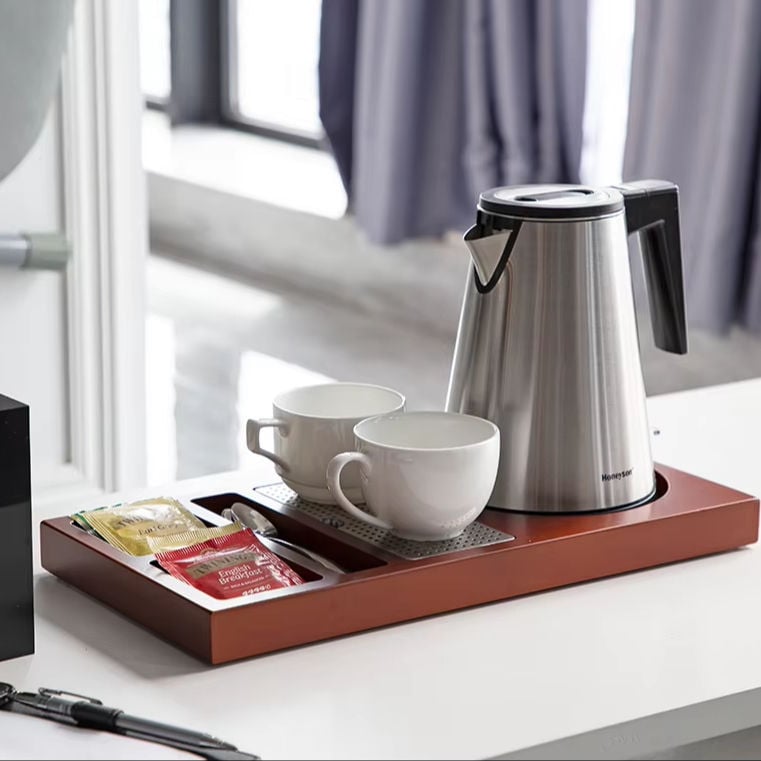
Specification mismatches between sample units and mass-produced hotel goods represent one of the most common quality challenges facing hospitality procurement teams and suppliers hotel worldwide. When a sample product meets expectations but production batches fail to maintain those same standards, guest satisfaction declines, operational costs rise, and brand reputation suffers. This gap occurs because production environments, material sourcing, labor variations, and quality control procedures differ significantly from the controlled conditions in which samples are created. Understanding the root causes and implementing systematic solutions is essential for any procurement professional working with suppliers hotel or OEM hotel products.

The financial and operational impact of these mismatches extends beyond simple quality complaints. Hotels invest in specific hotel supplies based on sample evaluations, establishing guest room equipment standards across their properties. When mass-produced units deviate from approved samples, replacement costs multiply across hundreds of rooms, staff retraining becomes necessary, and guest experiences become inconsistent. Hospitality brands built on reliability and consistency cannot tolerate such variability. By establishing clear specification alignment protocols between sample approval and mass production, procurement teams can eliminate these costly gaps and ensure that hotel room appliances and guest room equipment perform consistently throughout their lifecycle.
Root Causes of Specification Mismatches
Material and Component Sourcing Variations
Samples are typically hand-assembled using premium or carefully selected materials, but mass production often introduces alternative suppliers or materials to reduce costs. Suppliers hotel operating under tight margins may substitute brass fittings with nickel-plated alternatives, swap stainless steel components for powder-coated steel, or use different plastic formulations in guest room equipment. These substitutions may not dramatically affect short-term functionality, but they alter durability, appearance, and performance characteristics that guests notice over months of daily use. Hotel room appliances subjected to intensive use cycles reveal these material differences quickly. Establishing a locked bill of materials with specific supplier approvals prevents procurement teams from discovering these substitutions only after production begins.
Production Process Deviations
Manufacturing facilities producing hotel supplies at scale implement different assembly sequences, tooling, and quality gates than those used for sample creation. Samples may be manually assembled with individual quality checks, while mass production relies on semi-automated processes with batch sampling. Temperature settings, curing times, and finishing procedures differ between small-batch and high-volume runs. OEM hotel products assembled in different facilities or on different production lines within the same plant exhibit measurable specification drift. Tolerance stacking during mass assembly can push dimensions outside acceptable ranges, even when individual components meet specifications. Requiring production facility audits, line trials, and first-article inspections before full-scale manufacturing ensures that hotel supplies actually conform to approved samples rather than discovering problems during delivery.
Establishing Specification Alignment Protocols
Comprehensive Sample Approval Documentation
The foundation of preventing specification mismatches begins with exhaustive sample approval documentation that goes far beyond aesthetic approval. Standard approval sheets for hotel room appliances must include dimensional measurements with tolerances, material certifications, finish specifications, functional performance benchmarks, and assembly sequence details. Guest room equipment approvals should specify expected lifespan, maintenance requirements, and degradation patterns. Rather than simply approving a sample as 'acceptable,' suppliers hotel must document the exact specifications that made it acceptable. This creates a reference standard that can be objectively compared against production batches. Including photographs, material samples, and performance test results in the approval package provides procurement teams with tangible evidence of what 'approved' means. When specifications are vague, manufacturers make reasonable assumptions that may conflict with procurement intent.
Production Batch Testing and Verification
First-article inspection remains the most effective defense against specification drift in OEM hotel products. Before accepting bulk shipments, procurement teams must test representative units from the first production batch against the approved sample specifications. This process involves dimensional verification, material testing, functional performance assessment, and cosmetic evaluation. Hotel supplies should be subjected to accelerated aging and use-cycle testing to ensure that finishes, adhesives, and structural integrity match sample performance. Guest room equipment like kettle sets or appliance accessories require testing of heating elements, cord insulation, and safety mechanisms to confirm they meet both the approved sample and relevant safety standards. Statistical sampling methods allow procurement teams to verify batch quality without testing every single unit, making this approach cost-effective for high-volume orders. Documentation of testing results creates accountability and provides evidence if disputes arise between suppliers hotel and procurement teams.
Implementation and Ongoing Quality Management
Supplier Qualification and Facility Audits
Preventing specification mismatches requires understanding the actual capabilities and quality systems of suppliers hotel before placing large orders. Facility audits should assess equipment condition, maintenance practices, workforce training levels, and quality control procedures. Procurement teams must verify that suppliers hotel maintaining OEM hotel products have documented processes for material receiving inspection, in-process quality checks, and final product verification. Hotels should understand whether suppliers hotel operate first-time-right quality cultures or rely on rework and sorting. By auditing production facilities and understanding their standard operating procedures, procurement teams can identify potential sources of specification drift before they become problems. Quality management systems, material traceability, and corrective action processes should be evaluated during qualification. Regular re-audit schedules, particularly after management changes or facility expansions, maintain confidence in supplier quality systems.
Contractual Terms and Remedies
Clear contractual language protects hotels from bearing the cost of specification mismatches caused by suppliers hotel or manufacturing partners. Purchase agreements should specify that all delivered hotel supplies must match approved samples in materials, dimensions, finish, and performance. Acceptable deviation ranges should be explicitly defined in technical specifications rather than left to interpretation. Remedies for non-conforming guest room equipment should include replacement, refund, or rework options with defined response timelines. Including penalty clauses for repeated non-compliance incentivizes suppliers hotel to maintain production discipline. However, contracts should also include provisions for collaborative problem-solving when specification mismatches occur, because adversarial approaches damage supplier relationships and reduce willingness to invest in quality systems. Hotel room appliances represent significant capital investments for hospitality properties, and well-crafted contracts protect both parties by clarifying expectations and remedies.
FAQ
Why do samples and mass production often differ when they come from the same supplier?
Samples are typically produced under controlled, low-volume conditions with premium materials and hand assembly attention, while mass production prioritizes efficiency and cost reduction. Different production facilities, alternative material suppliers, automated assembly lines, and higher throughput create conditions that naturally diverge from sample specifications. Suppliers hotel may also change component sources between sample approval and production to secure better pricing. Without explicit contractual lock-in of materials and processes, manufacturers have economic incentive to find cheaper alternatives that appear functionally acceptable in short-term testing. Production facilities operate under different environmental conditions, use different tooling, and employ different workforce training than sample creation environments, all contributing to specification drift in hotel room appliances and guest room equipment.
What specific tests should hotels perform on first-article samples to verify specification alignment?
First-article inspections for hotel supplies should include dimensional measurements against approved specifications, material verification through weight and density testing, finish durability assessment through accelerated aging, and functional performance testing under normal operating conditions. For guest room equipment like kettle sets or appliances, electrical safety testing, heating performance verification, and cord insulation integrity checks are essential. Hotels should compare surface finishes, edge quality, assembly tolerances, and cosmetic standards against the approved sample. High-resolution photography documenting condition before and after use-cycle testing creates objective evidence for comparison. Physical material samples should be retained for reference, allowing future production batches to be visually compared against the approved standard. Testing should be performed by qualified laboratories or experienced procurement professionals with documented procedures and clear pass-fail criteria.
How can hotels maintain specification consistency across multiple production runs from suppliers hotel?
Maintaining consistency requires locked specifications, periodic facility audits, ongoing supplier communication, and systematic batch verification. Hotels should establish rolling audit schedules for suppliers hotel manufacturing OEM hotel products, with audits triggered by changes in management, facility equipment, or component sourcing. Supplier scorecards tracking quality metrics, on-time delivery, and specification compliance create transparency and accountability. Hotels should conduct sample comparisons when ordering new batches of hotel supplies, ensuring that guest room equipment meets the same standards as previous production runs. Regular meetings with suppliers hotel to discuss specifications, quality trends, and improvement opportunities keep quality focused. Documentation systems that retain sample reference materials, test data, and approved specifications allow procurement teams to verify compliance consistently across years of hotel operations.
