
 EN
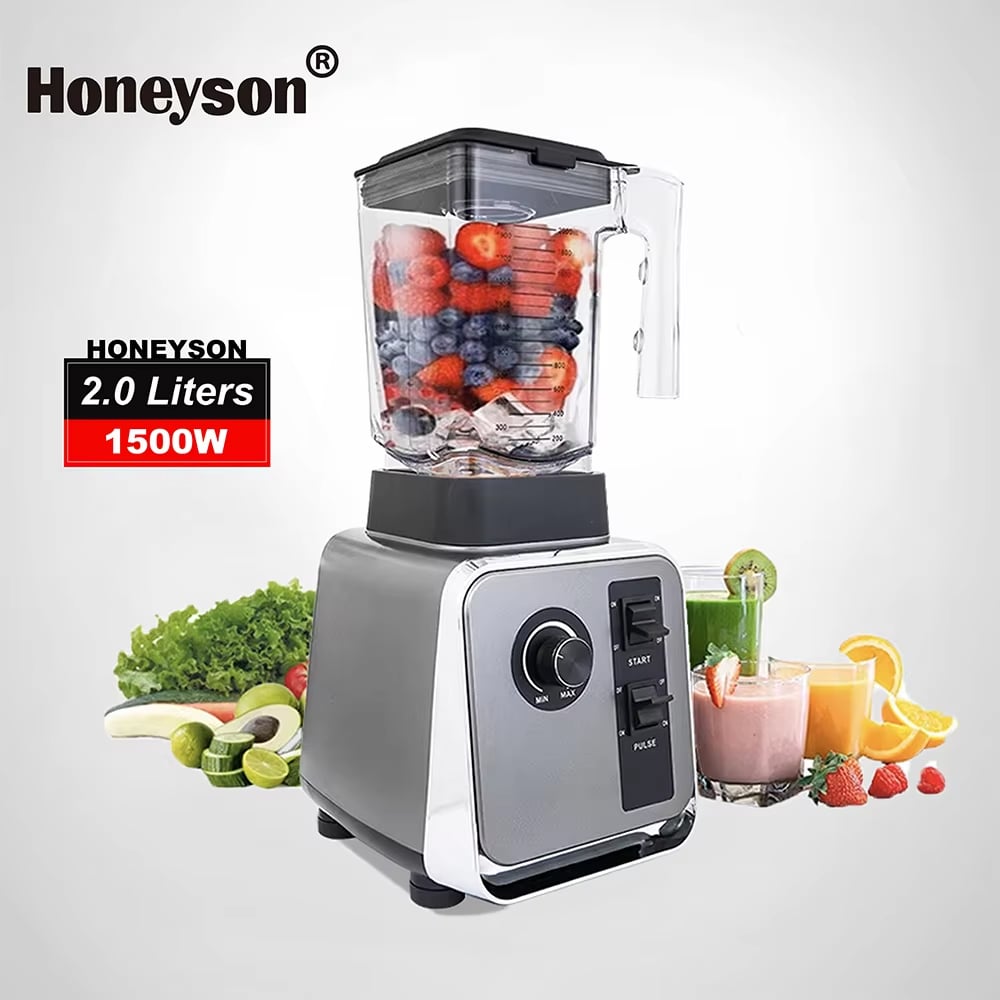
Before committing to a bulk order of any blender or licuadora, understanding motor specifications is essential for ensuring product quality, performance consistency, and long-term customer satisfaction. Many buyers overlook critical motor details during the procurement phase, leading to operational issues, warranty disputes, and unexpected replacement costs. This guide walks you through the key motor specifications that demand verification before you finalize a large purchase agreement.

The motor is the heart of any blender, whether you are sourcing a personal blender for retail distribution or an OEM blender for commercial food service operations. Motor performance directly influences blend consistency, operational lifespan, and user safety. Skipping detailed motor verification risks purchasing units that fail to meet your quality standards or end-user expectations. Establishing a rigorous specification checklist protects your investment and strengthens your supply chain reliability.
Motor Power Rating and Performance Capacity
Wattage and Horsepower Specifications
Motor power is typically expressed in watts or horsepower, and this measurement dictates the blender's ability to process tough ingredients like frozen fruit, ice, nuts, and fibrous vegetables. A personal blender designed for light smoothies requires 400–800 watts, while commercial OEM blender units often demand 1,000–3,500 watts for consistent high-volume production. Before placing a bulk order, request detailed power ratings from the supplier and confirm that the stated wattage matches independent testing documentation.
Verify whether the power specification reflects peak wattage or continuous operating wattage. Many manufacturers list peak ratings, which represent short-term maximum output, while continuous ratings reflect sustained performance during extended use cycles. For bulk procurement, continuous power rating is more relevant because your customers or end-users will run the blender repeatedly throughout the day. Request third-party certification or technical reports that document both peak and continuous motor performance metrics.
Torque and Speed Profiles
A blender's torque determines how effectively the motor can force blades through dense materials. High-torque motors maintain consistent rotational force even when encountering resistance, producing smoother blends with shorter processing times. Speed profiles vary by model: some personal blender designs operate at fixed speeds, while commercial OEM blender configurations often feature variable speed controls or preset programs. During bulk purchase negotiations, ask for torque specifications measured in Newton-meters and confirm that the motor maintains adequate torque across its full operating range.
Thermal Management and Duty Cycle
Temperature Tolerance and Heat Dissipation
Prolonged blender operation generates motor heat, and insufficient heat dissipation leads to thermal shutdown, reduced lifespan, or motor failure. Review the supplier's thermal specifications, including maximum operating temperature, cooling fan capacity, and ventilation design. A personal blender used intermittently faces different thermal demands than a commercial OEM blender running continuous production cycles. Request the motor's thermal protection specifications and ask whether the unit includes a thermal cutoff sensor that automatically stops operation if temperature exceeds safe limits.
Inquire about the duty cycle rating, which specifies how long the motor can operate continuously before requiring a cool-down period. Commercial OEM blender units should handle 40–60 minute continuous cycles in food service environments, while personal blender models typically support 2–3 minute continuous operation with mandatory rest periods. Duty cycle mismatch between your procurement needs and the motor design creates operational bottlenecks and accelerates component wear.
Bearing Quality and Lubrication Systems
Motor bearings support the rotating shaft and directly influence operational smoothness, noise levels, and maintenance intervals. High-quality ball bearings or roller bearings resist wear and reduce friction-related heat generation. During your bulk review, confirm the bearing type, material composition, and load capacity ratings. Ask whether bearings are sealed or require periodic lubrication, as sealed bearings reduce maintenance burden for personal blender users but may be costlier upfront. For OEM blender applications, sealed bearings often justify the higher initial cost by extending the service interval and reducing end-user maintenance calls.
Electrical Safety and Compliance Standards
Voltage Specifications and Electrical Certification
Verify that the motor's voltage matches your regional electrical standards. North American markets typically use 110–120 volts, European markets use 220–240 volts, and some regions support dual-voltage configurations. A single-voltage blender ordered for the wrong market cannot be resold without costly modifications or write-offs. Before committing to a bulk order, confirm voltage compatibility and request certification documentation from recognized testing bodies such as UL, CE, or equivalent regional authorities. Certification ensures the motor meets electrical safety standards and reduces liability exposure.
Ask the supplier whether motor specifications include grounding systems, surge protection, and overload protection circuits. These safety features prevent electrical hazards and extend motor protection during power fluctuations. For commercial OEM blender deployments, validate that the motor assembly includes three-prong grounding plugs or hardwired grounding configurations as required by local food safety codes.
Noise and Vibration Levels
Motor-generated noise and vibration affect user experience, workplace safety, and product perception. Personal blender users expect quieter operation, typically 70–80 decibels, while commercial OEM blender environments tolerate higher noise levels but still benefit from vibration damping. Request noise testing data and vibration measurements from the supplier. Ask whether the motor assembly includes isolation mounts, rubber cushioning, or vibration dampening materials that reduce transmitted noise to countertops or food service equipment racks. Low vibration also prevents fastener loosening and reduces structural stress on the blender housing.
Durability and Warranty Coverage
Motor Longevity and Component Sourcing
A licuadora motor's longevity depends on internal component quality, manufacturing tolerances, and material selection. Request information about the motor's expected service life measured in operating hours. Ask whether critical components such as brushes, commutators, and armature windings are sourced from established suppliers with proven quality records. For bulk orders, this transparency reduces the risk of sudden component sourcing changes that degrade motor performance mid-production run.
Confirm availability of replacement motor components and lead times for future service needs. OEM blender buyers especially should verify that motor spare parts remain available for at least 5–7 years after purchase, ensuring customers can repair units cost-effectively rather than replacing entire blenders. Request a bill of materials detailing all motor subcomponents, supplier names, and part numbers to facilitate future supply chain management.
Warranty Terms and Support
Review warranty coverage in detail, specifically motor-related claims. Some manufacturers limit motor warranty to one year or exclude certain failure modes such as bearing wear or thermal damage. For bulk procurement, negotiate warranty terms that align with your business model and customer expectations. Ask whether the supplier provides technical support for motor troubleshooting, offers extended warranty options, or maintains a documented repair protocol. Clear warranty boundaries protect both your business and your end customers by establishing transparent expectations for motor performance and manufacturer responsibility.
FAQ
What motor power range is appropriate for my personal blender target market?
A personal blender serving casual smoothie users typically requires 400–600 watts of continuous power, while a premium personal blender targeting fitness enthusiasts and health-conscious consumers should feature 800–1,500 watts to handle challenging ingredients like frozen produce and nut butters. Verify that the wattage matches your customer segment's expectations and use cases. Request motor specification sheets that distinguish between peak and continuous power ratings to ensure realistic performance assessment.
How do I verify motor specifications for an OEM blender before bulk ordering?
Request comprehensive technical documentation including motor power ratings, torque specifications, thermal protection settings, duty cycle limits, and third-party certification records. Demand samples or pilot units to test motor performance under your specific operational conditions before committing to large-volume orders. Engage an independent testing laboratory if the supplier's specifications require verification. Ask for contact information for existing customers who have purchased similar OEM blender units so you can validate real-world motor performance and reliability claims.
Which motor safety certifications matter most for my blender procurement?
UL certification is critical for North American markets, CE marking is required in Europe, and regional certifications such as ISI (India), SASO (Saudi Arabia), and CCC (China) apply to their respective markets. Verify that the motor carries appropriate safety certifications for your intended sales region, and request copies of certification documents from the supplier. These certifications confirm that the motor meets electrical safety standards, reducing your liability exposure and ensuring customer confidence in product quality and safety.
