
 EN
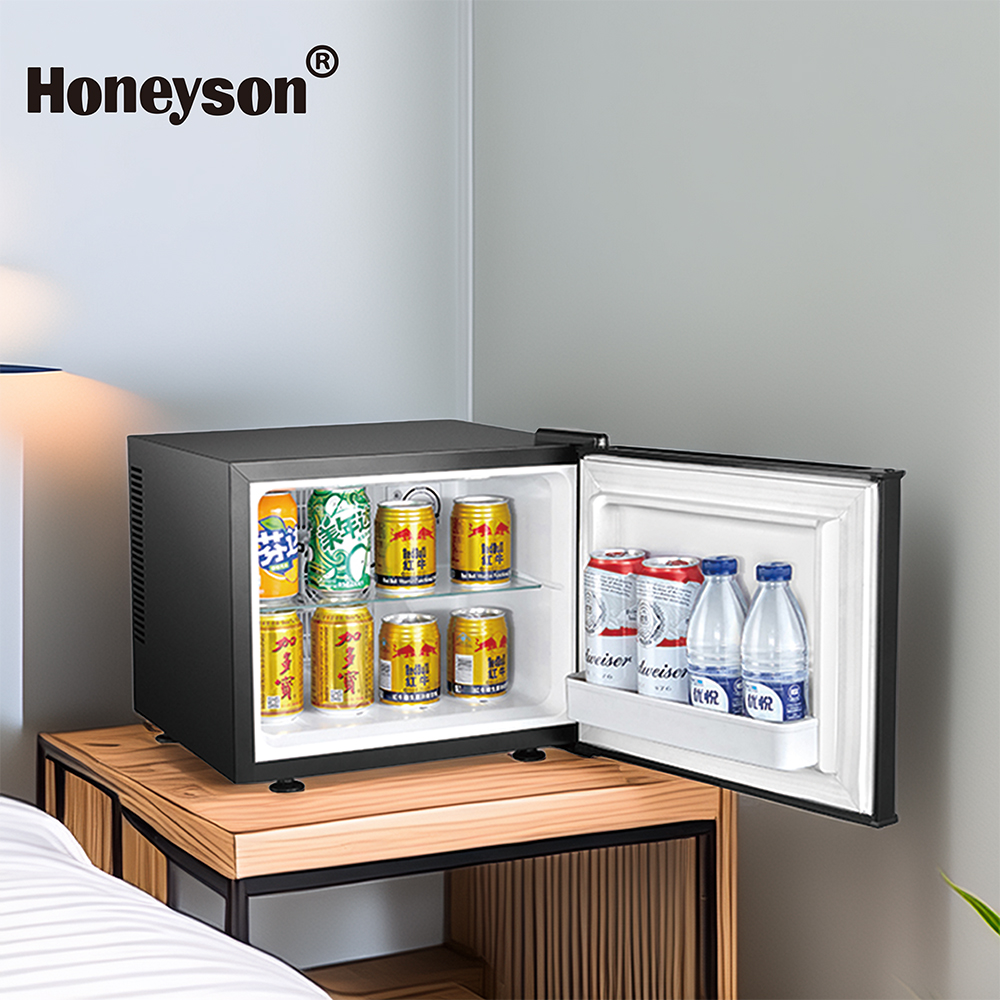
The compressor is the heart of any cooling system, and choosing the right one for your small refrigerator directly influences both performance and acoustic comfort. Whether you operate a hotel refrigerator in a guest room or manage a compact fridge in a commercial kitchen, the compressor technology you select determines noise levels, energy efficiency, and long-term reliability. Understanding compressor options is essential for businesses and consumers who prioritize both functionality and quiet operation.

Noise from a small refrigerator stems primarily from compressor operation, vibration transmission, and refrigerant flow dynamics. An OEM small refrigerator with an optimized compressor design can reduce operational noise by up to forty percent compared to older alternatives. The relationship between compressor type, cooling capacity, and noise output is complex but manageable when you understand the underlying mechanical principles and market-available solutions.
Compressor Types and Their Acoustic Characteristics
Rotary Compressors in Compact Fridge Applications
Rotary compressors are favored in many hotel refrigerator models because they deliver smooth, consistent cooling with minimal noise generation. These compressors use a rotating mechanism rather than reciprocating pistons, which naturally reduces vibration and pulsing sounds. A compact fridge equipped with a rotary compressor typically operates between forty-five and fifty-five decibels, making it suitable for noise-sensitive environments like hotel rooms, offices, and bedrooms.
The design of a rotary compressor allows continuous, efficient cooling cycles without the jarring start-stop patterns that plague older technologies. OEM small refrigerator manufacturers increasingly adopt rotary compressors because they combine reliable cooling with consumer expectations for silent operation. Maintenance is straightforward, and the sealed design prevents debris infiltration.
Reciprocating Compressors and Noise Trade-offs
Reciprocating compressors use a piston-driven mechanism and are common in budget-focused small refrigerator units. While cost-effective, this design generates more noise due to the cyclical pressure changes and valve operations that occur dozens of times per second. A hotel refrigerator using a reciprocating compressor may produce sixty to seventy decibels, which can disturb guests or occupants in adjacent spaces.
Despite the noise disadvantage, some OEM small refrigerator builders prefer reciprocating models for specific applications requiring extreme cooling capacity or exceptionally cold temperatures. The trade-off between acoustic performance and thermal power remains relevant when selecting a compact fridge for demanding environments. Vibration isolation pads and acoustic enclosures can mitigate noise, though they add cost and complexity.
Factors Influencing Compressor Noise in Small Refrigerators
Displacement and Cooling Cycles
Compressor displacement, measured in cubic centimeters, directly affects how frequently the cooling cycle must activate. A small refrigerator with properly sized displacement runs fewer cycles per hour, resulting in lower overall noise accumulation. Oversized compressors in compact fridge designs cycle on and off erratically, creating repetitive noise that users find particularly intrusive.
OEM small refrigerator engineering focuses on right-sizing the compressor to match the insulation quality and thermal load of the unit. When a hotel refrigerator has insufficient insulation, the compressor works overtime, cycling constantly and producing excessive noise. Modern designs prioritize this balance to deliver quiet operation across a full day of normal use.
Vibration Isolation and Mounting Systems
The compressor mounting system is critical for noise reduction in any compact fridge. Rubber isolation bushings, spring mounts, and elastomeric dampers absorb vibration energy before it transfers to the cabinet structure. A well-engineered small refrigerator uses multi-point suspension to decouple compressor vibrations from the external shell, dramatically reducing audible noise.
Hotel refrigerator manufacturers invest in precision mounting because guests notice even subtle mechanical sounds during quiet hours. OEM small refrigerator designs often incorporate internal foam layers and structural bracing that further suppress vibration transmission. The investment in isolation systems is justified by improved customer satisfaction and reduced complaint rates.
Refrigerant Type and Flow Characteristics
The refrigerant circulating through a small refrigerator affects system noise through its thermodynamic properties and flow dynamics. Modern refrigerants like R600a and R134a produce less turbulent flow noise than older alternatives, contributing to quieter operation in compact fridge units. An OEM small refrigerator using appropriate refrigerant charges and filter-drier systems minimizes noise from system friction and cavitation.
Proper refrigerant metering through expansion devices ensures smooth, consistent cooling without pressure spikes that create audible noise. A hotel refrigerator with correctly tuned refrigerant circulation sounds noticeably quieter than units with improper charge levels or clogged expansion components.
Selection Criteria for Noise-Conscious Applications
Measurement Standards and Decibel Ratings
Understanding decibel measurements helps you compare small refrigerator options objectively. Manufacturers typically report noise levels measured at one meter distance under standard operating conditions. A compact fridge producing fifty decibels is roughly equivalent to normal conversation volume, while sixty decibels resembles background office noise or light traffic.
For a hotel refrigerator or OEM small refrigerator selection, seek units with published noise ratings below fifty-five decibels to ensure guest comfort. Many premium models now include noise certifications from recognized testing bodies, providing confidence in acoustic performance claims.
Application-Specific Recommendations
Guest-facing environments like hotel rooms demand the quietest small refrigerator options available, typically featuring rotary compressors and advanced isolation systems. A compact fridge placed in an executive suite should operate below forty-five decibels to preserve the luxury experience. OEM small refrigerator builders understand these requirements and engineer accordingly.
Residential and office applications may tolerate slightly higher noise levels but still benefit from quieter operation. A small refrigerator in a bedroom or home office should ideally stay under fifty decibels to avoid sleep disruption or concentration loss. Hotel refrigerator standards often exceed residential expectations, making them suitable upgrades for home use.
FAQ
What compressor type offers the quietest performance in a small refrigerator?
Rotary compressors generally deliver the quietest performance in small refrigerator applications, typically producing forty-five to fifty-five decibels. They use smooth rotational motion instead of reciprocating pistons, eliminating the jarring vibrations associated with older designs. OEM small refrigerator manufacturers increasingly favor rotary compressors because they meet both noise expectations and cooling reliability standards. A hotel refrigerator with a rotary compressor offers superior acoustic comfort without sacrificing performance.
Can vibration isolation reduce noise from a hotel refrigerator compressor?
Yes, vibration isolation systems significantly reduce audible noise from any compact fridge or small refrigerator. Multi-point rubber mounts, spring suspensions, and elastomeric dampers absorb vibration energy before it transfers to the cabinet and surrounding environment. An OEM small refrigerator designed with precision isolation can reduce noise transmission by twenty to thirty percent. Hotels and commercial spaces often specify isolation requirements in purchasing contracts to ensure acceptable acoustic performance.
How does refrigerant type affect noise in a compact fridge?
Refrigerant selection directly influences noise through its flow characteristics and thermodynamic properties. Modern refrigerants like R600a produce smoother flow with less turbulence, resulting in quieter operation compared to older alternatives. An OEM small refrigerator using the correct refrigerant charge and properly tuned expansion components minimizes noise from pressure spikes and system friction. A hotel refrigerator with optimized refrigerant management operates more quietly and efficiently throughout its service life.
