
 EN
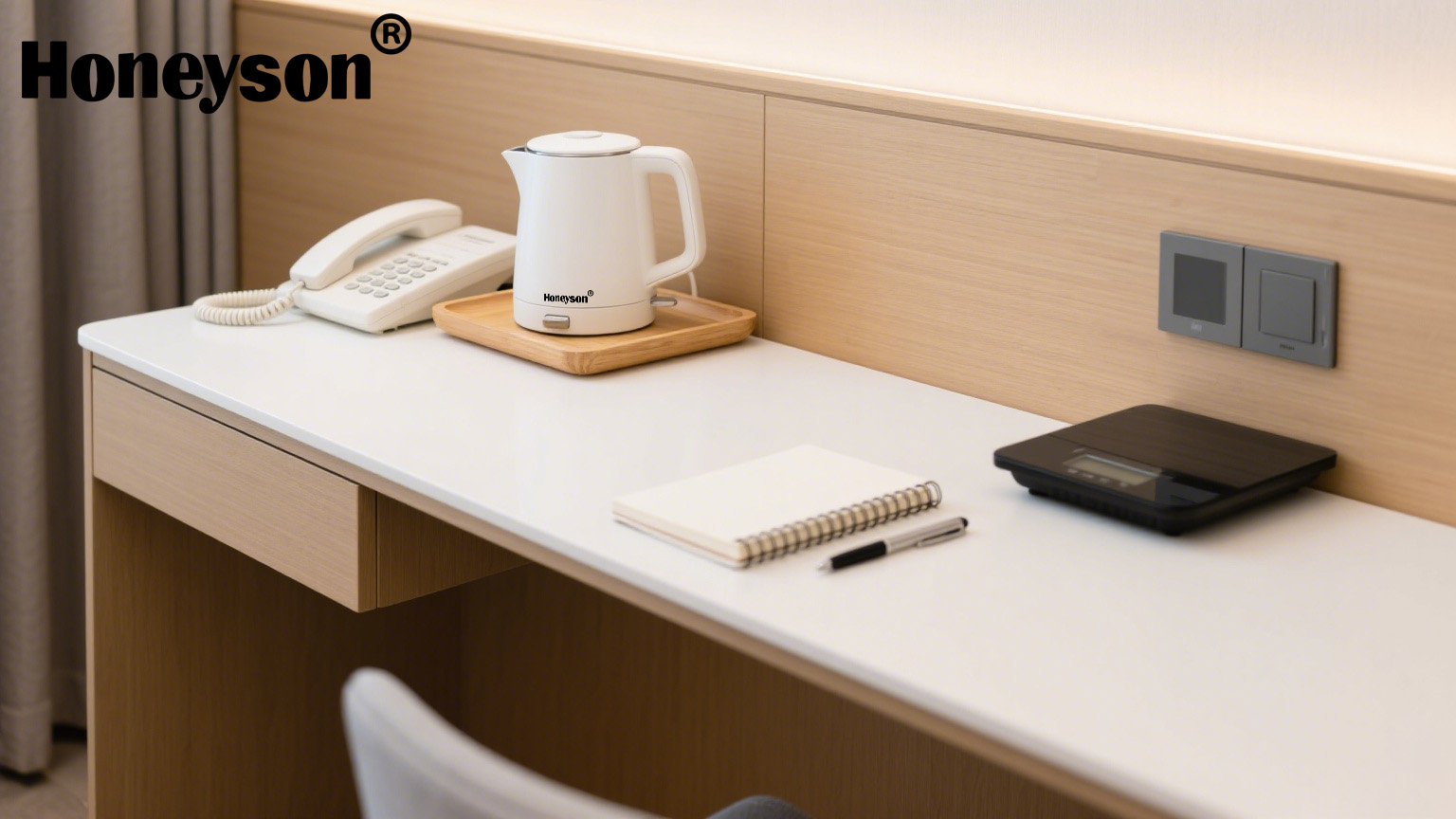
Early wear in hospitality appliances represents a significant operational challenge for property managers and hospitality suppliers across diverse accommodation types. Whether managing boutique hotels, large resort properties, or serviced apartment complexes, understanding the root causes of premature equipment failure directly impacts maintenance budgets and guest satisfaction. Guest room equipment experiences intensive daily use, exposing appliances to thermal stress, mechanical fatigue, and environmental factors that accelerate degradation far beyond typical residential timelines.
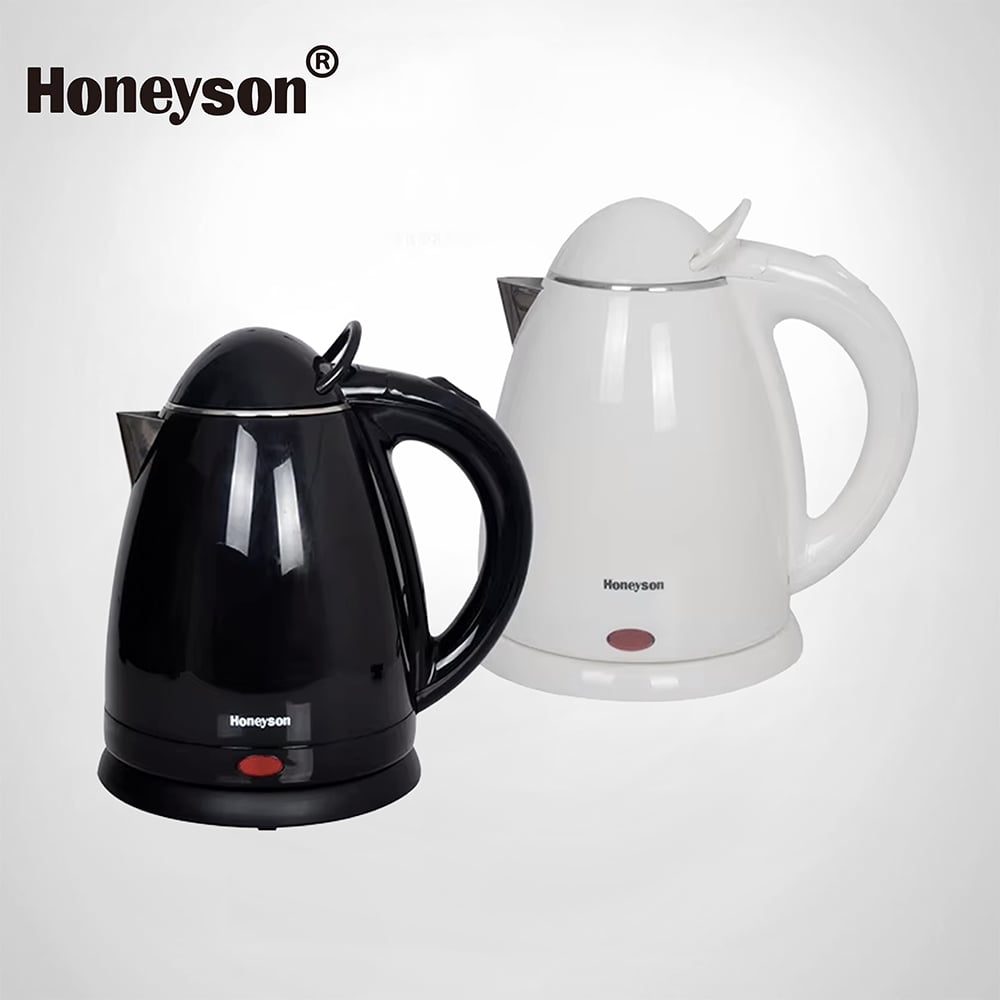
Hospitality suppliers and property operators must recognize that premature wear stems from multiple interconnected factors rather than single failure points. Commercial-grade hotel room appliances, when selected and maintained correctly, deliver reliable performance throughout their design lifecycle. This article explores the primary causes of early equipment deterioration, practical prevention strategies, and how selecting appropriate OEM hospitality equipment minimizes costly replacements and service disruptions.
Understanding Root Causes of Accelerated Appliance Degradation
Thermal Stress and Operating Conditions
Guest room equipment operates under continuous thermal cycles that differ markedly from typical consumer use patterns. Kettles, coffee makers, and heating appliances activate multiple times daily, expanding and contracting materials in ways that compromise electrical connections and seals. Hospitality supplies that lack robust thermal management experience accelerated component failure, particularly in heating elements and internal wiring where stress concentrates during rapid temperature changes.
OEM hospitality equipment designed with superior thermal insulation and reinforced component spacing extends operational life significantly. The difference between budget appliances and commercial-grade guest room equipment often reflects engineering choices made during thermal stress testing phases. Property managers working with knowledgeable hospitality suppliers gain access to appliances engineered for these exact conditions, reducing replacement frequency and associated downtime.
Inadequate User Interface Design and Misuse Patterns
Guest room equipment designed without hospitality operations context often fails prematurely due to misuse rather than manufacturing defects. Guests frequently leave kettles running empty, neglect water refilling before activation, or apply excessive force to control buttons designed for gentler handling. Hotel room appliances from experienced OEM hospitality equipment manufacturers incorporate design features that accommodate unpredictable guest behavior while maintaining durability.
Commercial-grade hospitality supplies include protective mechanisms like automatic shutoff systems, reinforced button assemblies, and water level indicators that prevent damage from common misuse scenarios. Understanding these design distinctions helps property managers select equipment that withstands real-world guest room conditions rather than assuming all appliances meet commercial standards.
Maintenance and Selection Strategies for Extended Equipment Life
Preventive Maintenance Protocols
Hospitality suppliers working with property managers should establish clear maintenance schedules that address specific equipment vulnerabilities. Descaling kettles and coffee makers monthly prevents mineral buildup that increases electrical resistance and accelerates component failure. Regular inspection of power cords, plug connections, and visible damage identifies problems before they cause guest safety incidents or catastrophic equipment breakdown.
Hotel room appliances benefit enormously from staff training that emphasizes proper operation and early maintenance intervention. Guest room equipment used in high-volume settings requires more frequent servicing than consumer applications, and proactive hospitality supplies management prevents emergency replacements that disrupt guest experiences. Documentation systems tracking maintenance activities across properties help identify patterns indicating systemic issues with specific appliance models or batches.
Selecting Durable OEM Hospitality Equipment
The distinction between hospitality supplies sourced from general appliance channels versus dedicated OEM hospitality equipment providers directly correlates with equipment longevity. Commercial-grade guest room equipment incorporates heavier-duty materials, sealed internal components protecting against water intrusion, and electrical specifications designed for frequent cycling. Property managers evaluating hotel room appliances should prioritize products specifically engineered for hospitality environments rather than consumer-market options.
OEM hospitality equipment suppliers provide detailed specifications about material composition, thermal ratings, and expected operational cycles, enabling informed purchasing decisions. Hospitality suppliers offering transparent performance data and warranty terms facilitate selection processes that align equipment choices with property-specific usage patterns and budgetary constraints. Investing in quality guest room equipment reduces lifetime total-cost-of-ownership despite higher initial purchase prices.
Adapting Solutions Across Different Property Types
Boutique and Limited-Service Properties
Smaller hospitality properties face distinct challenges when sourcing hospitality supplies that deliver reliable performance under budget constraints. Guest room equipment for boutique hotels must balance durability expectations with procurement limitations, requiring partnerships with knowledgeable OEM hospitality equipment providers who understand limited-service operational models. Hotel room appliances selected for these properties should offer proven reliability records and accessible maintenance options without requiring specialized technician visits.
Large Resort and Extended-Stay Facilities
High-volume resort properties and extended-stay complexes experience exponentially greater demands on hospitality supplies, making equipment selection decisions even more critical. OEM hospitality equipment deployed across hundreds of guest rooms generates substantial failure data revealing design strengths and vulnerabilities. Hospitality suppliers serving large properties should offer volume-based arrangements that include predictive maintenance support, rapid replacement programs, and on-site technical expertise for managing guest room equipment across distributed facilities.
Extended-stay properties present unique scenarios where guests develop strong preferences for specific hotel room appliances and expect consistent functionality throughout their tenancy. Guest room equipment performing reliably in these contexts builds occupancy benefits beyond immediate operational considerations, creating competitive differentiation for property operators.
FAQ
Why do hospitality suppliers recommend commercial-grade appliances over consumer models for hotel environments?
Commercial-grade OEM hospitality equipment incorporates design specifications anticipating intensive daily use patterns, thermal cycling, and variable guest behaviors that consumer appliances cannot accommodate. Guest room equipment engineered for hospitality applications includes reinforced components, protective mechanisms, and materials selected specifically for commercial environments. Hotel room appliances from dedicated hospitality suppliers deliver superior reliability and lower total replacement costs despite higher initial purchase prices.
How frequently should hotel room appliances receive maintenance to prevent premature wear?
Maintenance frequency for hospitality supplies depends on specific equipment types and usage patterns, but most guest room equipment benefits from monthly descaling and quarterly professional inspection protocols. OEM hospitality equipment manufacturers typically provide detailed maintenance guidelines addressing property-specific conditions. Hospitality suppliers serving your property can develop customized maintenance schedules balancing wear prevention with operational efficiency and staff resource availability.
What distinguishes OEM hospitality equipment from standard commercial appliances?
OEM hospitality equipment represents appliances specifically designed for accommodation environments through direct collaboration with hotel operators, architects, and facility managers. Guest room equipment from hospitality suppliers familiar with accommodation contexts incorporates features addressing guest behavior patterns, space constraints, and aesthetic requirements unique to hotel settings. Hotel room appliances from OEM hospitality equipment providers include documentation supporting property managers' maintenance planning and replacement forecasting.
