
 EN
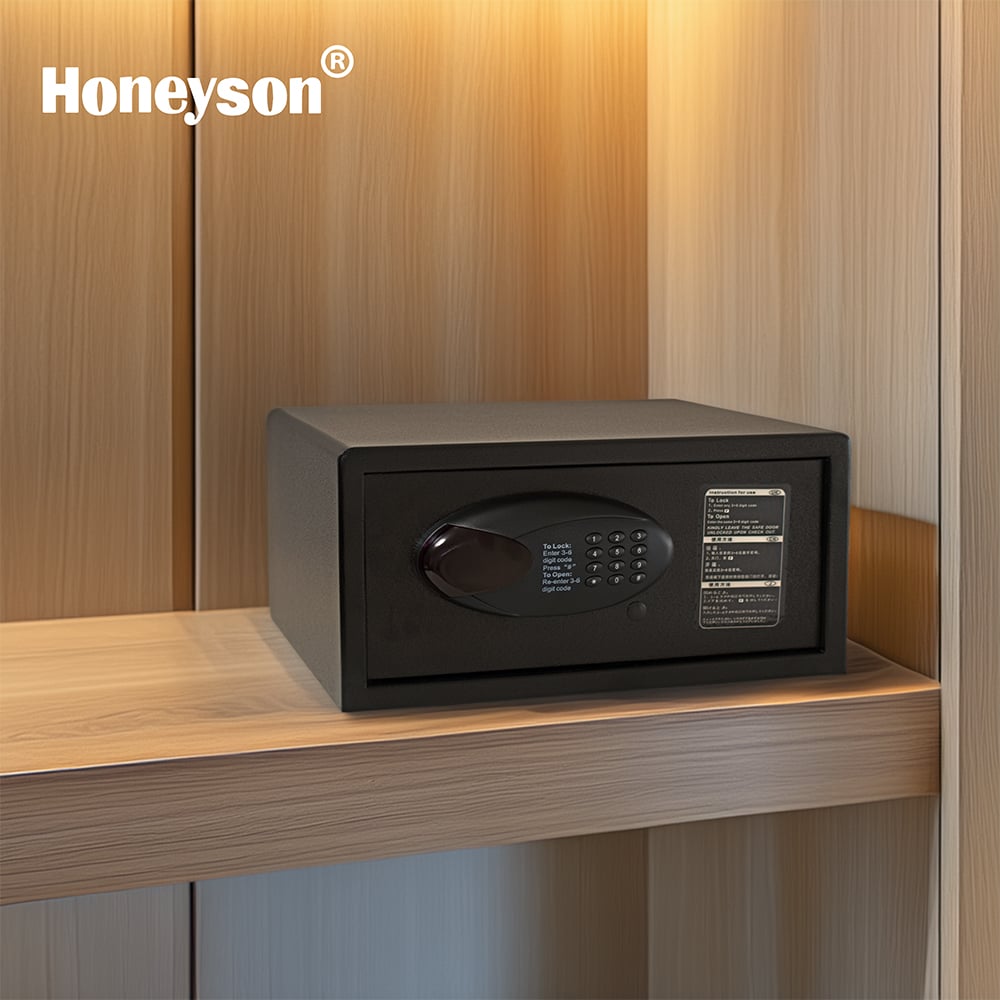
When selecting appliances for hospitality operations, the distinction between commercial duty and household duty products becomes critical to long-term success and guest satisfaction. Many hospitality suppliers and property managers mistakenly assume that standard household appliances can withstand the demanding environment of a busy hotel or resort. This misunderstanding often leads to premature equipment failure, increased maintenance costs, and compromised guest experiences. Understanding the fundamental differences between these two categories ensures that your hospitality supplies investments deliver the reliability and performance required in commercial settings.

The hospitality industry depends on equipment that performs consistently across multiple daily cycles, often operating under conditions far more demanding than typical residential use. Whether you operate a boutique hotel, full-service resort, or bed-and-breakfast establishment, the appliances you choose directly impact operational efficiency, guest satisfaction, and your bottom line. This guide explores the critical distinctions between commercial duty and household duty products, helping you make informed purchasing decisions that align with your property's specific needs.
Understanding Commercial Duty vs Household Duty Equipment
Design Philosophy and Usage Intensity
Commercial duty appliances are engineered for hospitality supplies environments where usage patterns differ dramatically from home applications. A household blender might operate for 10–15 minutes per week, while hotel room appliances in a busy hospitality operation may run for hours consecutively. Commercial duty equipment incorporates heavy-gauge steel frames, reinforced internal components, and advanced cooling systems designed to withstand this relentless operational tempo. Household duty products, by contrast, feature standard-grade materials optimized for intermittent use and lighter workloads.
Guest room equipment used in hospitality applications must maintain consistent performance across multiple daily uses without degradation. OEM hospitality equipment manufacturers design their products with specific duty cycles that account for intensive use patterns. Household appliances lack these engineering specifications and will fail prematurely when subjected to commercial intensity. Understanding this fundamental design difference helps hospitality suppliers select products that deliver genuine value rather than temporary budget solutions.
Material Quality and Component Durability
The material specifications that differentiate commercial duty from household duty appliances are substantial and measurable. Commercial appliances typically feature stainless steel construction throughout, including internal components, while household products often use plastic or lower-grade metals in components exposed to wear. Commercial duty models include oversized motors with higher torque ratings, sealed bearings rated for extended operation, and thermal protection systems designed for rapid recovery. Hotel room appliances must withstand temperature fluctuations, humidity exposure, and the physical stress of frequent handling by diverse users.
OEM hospitality equipment undergoes rigorous testing protocols that far exceed household product standards. These tests simulate thousands of operational hours and extreme use conditions to validate durability claims. When hospitality suppliers choose equipment without these certifications, they inevitably face higher failure rates, increased replacement costs, and operational disruptions that damage guest relationships and staff productivity.
Performance Specifications and Operational Reliability
Power Output and Consistency
Commercial duty hospitality supplies must deliver consistent performance regardless of ambient conditions or cumulative usage. Commercial blenders, coffee makers, and food preparation equipment feature higher wattage motors that maintain optimal performance even when operating continuously. Household duty products experience voltage drop and performance degradation under sustained use, particularly in properties with multiple appliances operating simultaneously. This performance inconsistency creates poor guest experiences and places additional burden on property staff managing unpredictable equipment behavior.
The power delivery architecture in commercial duty appliances includes heavy-duty electrical components rated for higher loads and faster recovery times. Hotel room appliances in premium properties demand this level of performance consistency because guest satisfaction depends on reliable access to hot beverages, prepared meals, and personal grooming tools. OEM hospitality equipment designed to commercial standards ensures that every guest interaction with appliances meets expectations regardless of occupancy level or seasonal demand variations.
Maintenance Requirements and Service Accessibility
Commercial duty hospitality supplies are designed with maintenance accessibility as a core consideration. Components are arranged for easy service, replacement parts are standardized across equipment lines, and technical documentation is comprehensive. Household duty products, by contrast, often feature sealed components that require complete unit replacement when failures occur. This design difference dramatically impacts total cost of ownership because commercial duty equipment can be repaired and maintained cost-effectively, while household appliances force costly full replacements.
Hospitality suppliers working with OEM hospitality equipment benefit from established parts supply chains, technical support networks, and predictable service costs. Properties using household appliances face unexpected availability issues, compatibility problems with aging equipment, and repair expenses that approach replacement costs. This operational reality makes commercial duty equipment the financially prudent choice for any hospitality operation concerned with long-term sustainability and predictable expenses.
Total Cost of Ownership and Business Impact
Initial Investment Versus Long-Term Value
The higher upfront cost of commercial duty appliances represents a false premium when evaluated against total cost of ownership. A commercial-grade hospitality suppliers blender costs significantly more than a household model but operates reliably for 5–7 years with minimal maintenance. Household appliances in hospitality environments typically fail within 12–18 months, forcing rapid replacement cycles that escalate costs dramatically. When hospitality supplies budgets include three to four household unit replacements to equal the lifespan of one commercial unit, the economic advantage clearly favors commercial duty equipment.
Guest room equipment performance directly influences guest satisfaction scores and repeat booking rates, making reliability a revenue driver rather than a cost center. A failed coffee maker creates negative reviews and reduces the probability of future stays. Commercial duty appliances minimize these operational disruptions, protect your reputation, and support sustainable revenue growth. This connection between equipment reliability and guest experience makes OEM hospitality equipment investment a strategic business decision rather than merely a procurement choice.
Operational Efficiency and Staff Productivity
Household duty products force maintenance staff to troubleshoot failures, attempt repairs, and coordinate replacements, consuming time that could support guest services or property improvements. Commercial duty hospitality supplies minimize these management burdens because designed reliability eliminates frequent failures. Staff can focus on proactive maintenance rather than reactive crisis management. Hotel room appliances designed to commercial standards operate so reliably that housekeeping teams can maintain consistent service delivery without unexpected disruptions.
OEM hospitality equipment also supports operational consistency across multiple properties if your organization operates multiple locations. Standardized commercial duty equipment means staff training transfers seamlessly between properties, replacement procedures remain consistent, and supply chain management becomes predictable. These operational efficiencies compound over time, improving service quality and reducing administrative overhead across your organization.
FAQ
Why do hospitality supplies manufactured for commercial use cost more than household alternatives?
Commercial duty appliances incorporate superior materials, more powerful motors, advanced cooling systems, and enhanced durability features specifically engineered for intensive daily use patterns. The manufacturing processes require precision engineering, rigorous testing protocols, and quality control standards that household products do not meet. Additionally, commercial equipment typically includes longer warranties, better technical support, and readily available replacement parts that justify higher upfront costs through reduced total ownership expenses.
Can household appliances be used temporarily in hotel room equipment scenarios?
While household duty products might function briefly in hotel room appliances roles, this approach creates significant operational and financial risks. Household appliances experience rapid degradation under the usage intensities typical in hospitality environments, leading to unpredictable failures that compromise guest experiences and increase replacement costs. Commercial duty alternatives, though initially more expensive, provide reliable performance and predictable maintenance requirements that support consistent operations. Experienced hospitality suppliers universally recommend commercial duty equipment for any setting involving frequent use and guest satisfaction considerations.
What distinguishes OEM hospitality equipment from general commercial products?
OEM hospitality equipment is specifically engineered by manufacturers to meet the unique demands of hotel operations, resort properties, and other guest-facing environments. These products incorporate design features addressing common hospitality challenges such as rapid temperature recovery, aesthetic appeal, ease of use by diverse guests, and compatibility with typical hotel room configurations. While general commercial equipment performs reliably, OEM hospitality supplies optimize for guest experience and staff efficiency in ways that general commercial products do not, making them the superior choice for hospitality environments.
