
 EN
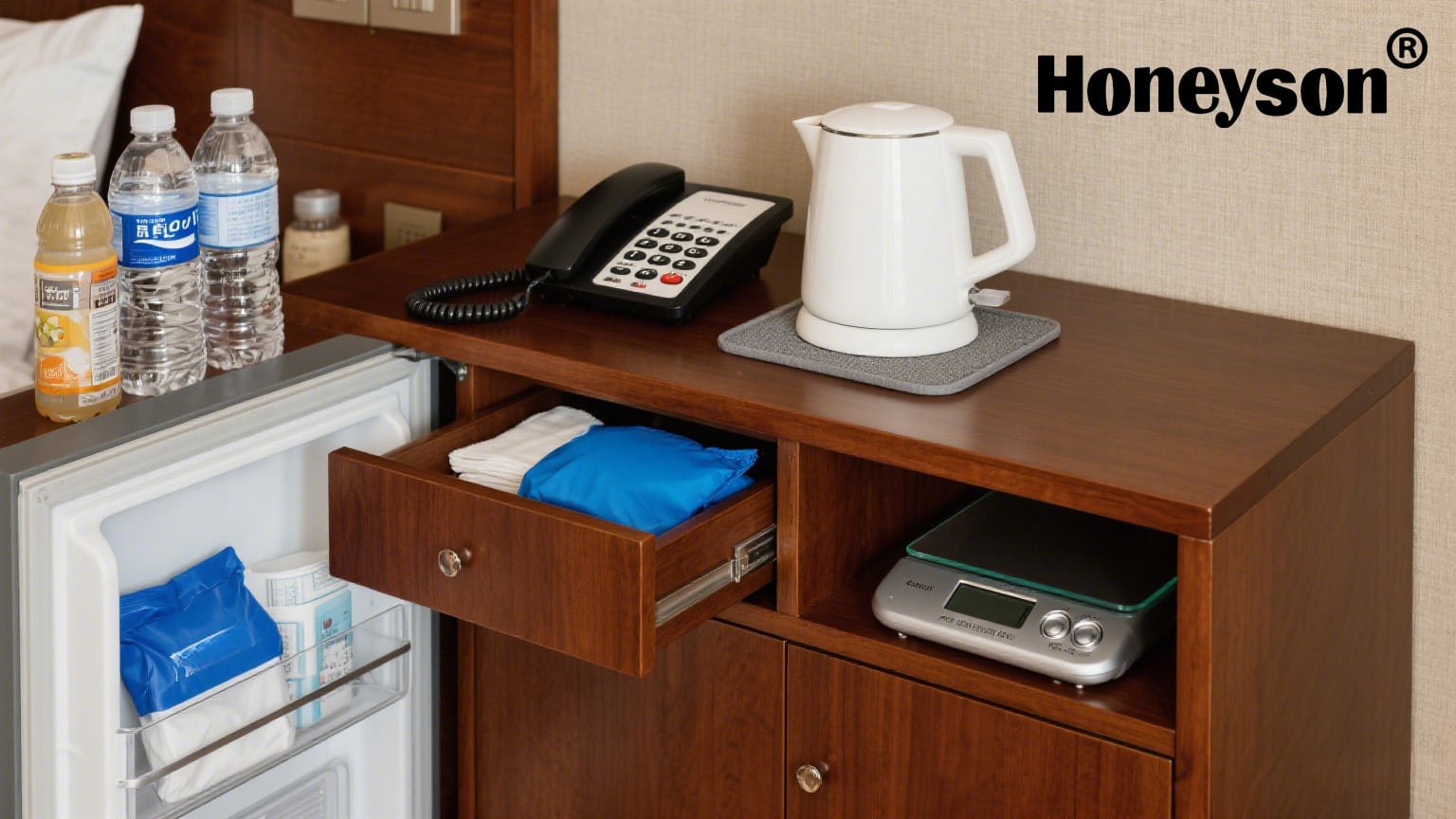
Small batch pilots have become essential for hospitality suppliers developing new guest room equipment. These controlled production runs allow manufacturers to test designs, identify manufacturing issues, and gather feedback before committing to large-scale production. For hotel room appliances and OEM hospitality equipment makers, pilot batches represent a critical investment in product validation and market readiness.

The transition from prototype to production-ready guest room equipment demands careful planning and execution. Hospitality supplies manufacturers must balance speed to market with quality assurance, making small batch pilots the natural bridge between laboratory testing and commercial deployment. Understanding how to structure, execute, and learn from these pilots directly impacts product success and customer satisfaction in the demanding hospitality industry.
Defining Small Batch Pilots in Hospitality Equipment Manufacturing
What Constitutes a Pilot Batch
A small batch pilot for hotel room appliances typically involves producing 50 to 500 units under near-production conditions. This volume is large enough to reveal manufacturing inefficiencies and material compatibility issues, yet small enough to limit financial exposure. For OEM hospitality equipment developers, pilot batches serve as a live test environment where production processes encounter real-world constraints like supply chain variability, labor learning curves, and tooling accuracy.
Hospitality suppliers use pilot batches to validate multiple aspects simultaneously: material suppliers' consistency, assembly line workflow, quality control thresholds, and packaging integrity. Unlike laboratory prototypes, pilot units travel through actual production environments, revealing problems that isolated testing cannot uncover. This scale allows guest room equipment manufacturers to make informed tooling investments and process refinements before committing to volume production.
Why Pilots Matter for Hospitality Equipment
Hotels and hospitality facilities demand reliability and consistency from guest room equipment. When new appliances fail in service, the cost extends beyond replacement—guest complaints, operational disruption, and brand reputation damage compound the financial impact. Small batch pilots catch design flaws, material weaknesses, and assembly defects early, preventing costly recalls and customer dissatisfaction. Hospitality supplies manufacturers who invest in thorough pilot programs build stronger relationships with hotel chains and property managers.
The pilot phase also enables hospitality suppliers to optimize assembly instructions, warranty language, and service documentation. Field teams testing guest room equipment during pilots provide invaluable feedback on user experience, installation difficulty, and maintenance requirements. This information directly shapes the final product and support materials delivered to end customers, ensuring smoother market adoption and fewer support escalations.
Structuring and Executing an Effective Pilot Program
Planning and Preparation Phases
Successful hospitality suppliers begin with a detailed pilot plan that defines success criteria, production timelines, quality standards, and feedback collection methods. The plan must specify which hotel room appliances will be produced, in what quantities, and under what conditions. OEM hospitality equipment teams should document baseline performance targets, acceptable defect rates, and required certifications before manufacturing begins. This clarity prevents scope creep and ensures pilots remain focused on answering specific product readiness questions.
Site selection is crucial for pilot execution. Hospitality supplies manufacturers should produce pilot units in the facility where commercial production will occur, using standard equipment and standard workforce procedures. This approach reveals whether current tooling, labor skills, and material handling practices can consistently produce guest room equipment to specification. Testing in a different facility masks real-world production challenges and delays problem discovery until volume production has already begun.
Quality Control and Data Collection
During the pilot phase, hospitality suppliers must implement rigorous inspection and testing protocols for each unit of guest room equipment produced. Every appliance should undergo dimensional verification, functional testing, electrical safety validation, and material integrity checks. OEM hospitality equipment manufacturers benefit from tracking defect location, failure mode, and root cause for each issue discovered. This data-driven approach identifies systematic problems requiring design or process correction versus random variability.
Hospitality supplies teams should deploy pilot units to real hotel environments whenever feasible. Field deployment reveals how hotel room appliances perform under actual use conditions, exposure to cleaning agents, temperature variation, and guest handling patterns. Guest room equipment operating in live properties provides authentic feedback that lab testing cannot replicate. Collecting structured feedback from housekeeping staff, maintenance teams, and guests creates a comprehensive picture of product readiness and field durability.
Interpreting Results and Scaling Production
Analyzing Pilot Data for Production Decisions
Once pilot production concludes, hospitality suppliers must systematically analyze collected data to make scaling decisions. The analysis should address whether hotel room appliances met performance targets, which OEM hospitality equipment defects surfaced most frequently, and what corrective actions are necessary. If defect rates exceed acceptable thresholds, hospitality supplies teams must identify root causes and implement fixes before moving to volume production. Skipping this analysis step risks launching flawed products into full-scale manufacturing, where costs multiply rapidly.
Hospitality suppliers should establish clear go/no-go criteria before pilots begin. These criteria might specify maximum acceptable defect percentages, required field performance hours, or certification milestones. Defining these thresholds upfront eliminates ambiguity and provides objective decision frameworks. When guest room equipment meets all established criteria, scaling to production proceeds with confidence. When issues remain, suppliers make informed choices about whether design modifications, process improvements, or extended testing are required.
Transitioning to Full Production
Successful pilot completion enables hospitality supplies manufacturers to transition to full-scale production with established processes, trained personnel, and validated tooling. OEM hospitality equipment teams that documented standard work procedures during pilots can deploy these procedures consistently across expanded production lines. This continuity minimizes the quality variability that often occurs when scaling from pilot to volume, protecting brand reputation and customer satisfaction.
Hospitality suppliers must maintain pilot discipline even as production volumes increase. Continuing to monitor guest room equipment quality, gathering customer feedback, and making iterative improvements ensures sustained performance. The lessons learned during small batch pilots inform ongoing continuous improvement efforts, preventing quality degradation as operations scale. This commitment to excellence differentiates leading hospitality supplies providers and strengthens customer loyalty in the competitive hotel equipment market.
FAQ
How long should a small batch pilot typically run?
Most hospitality suppliers schedule pilot programs for 4 to 12 weeks, depending on product complexity and available testing capacity. Simple hotel room appliances may complete pilots in 4 to 6 weeks, while complex OEM hospitality equipment requiring extended field testing may need 12 weeks or longer. The timeline should allow sufficient time for production, initial inspection, and field deployment with meaningful feedback collection before go/no-go decisions are made.
What happens if pilot results reveal significant design flaws?
When hospitality supplies pilots uncover major issues, manufacturers have several options: design modifications to address root causes, extended testing to gather more data, or in severe cases, returning to earlier design phases. Guest room equipment with fundamental flaws should not advance to full production, as the cost of field failures far exceeds the cost of addressing problems during the pilot stage. OEM hospitality equipment teams must have the discipline to halt scaling when pilot data indicates unacceptable risk.
Can pilot batches be sold as finished products?
Pilot units may be sold through alternative channels only after rigorous testing confirms they meet all commercial specifications and performance standards. However, hospitality suppliers should carefully document which specific units were part of the pilot program and apply appropriate tracking for warranty purposes. Guest room equipment from pilot batches that did not meet standard testing requirements should never be released to customers, as this undermines confidence and creates liability exposure.