
 EN
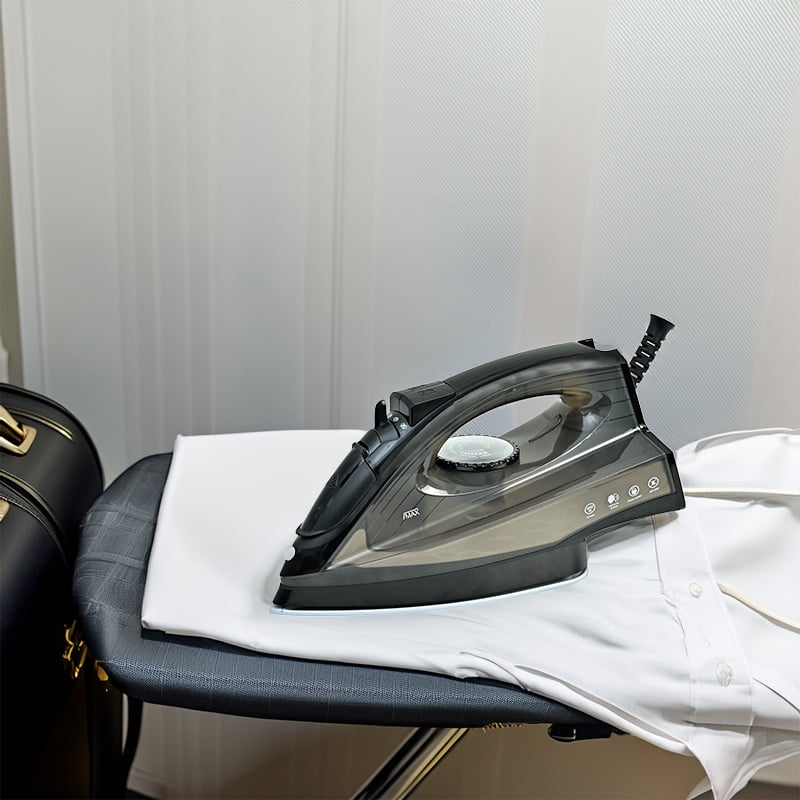
Endurance testing has become a critical quality assurance process for hospitality suppliers manufacturing hotel room appliances. In the competitive hospitality industry, guest satisfaction depends heavily on the reliability of in-room equipment. When a kettle fails, a coffee maker malfunctions, or any guest room equipment breaks down during a guest's stay, it directly impacts the hotel experience and brand reputation. This is why endurance testing has evolved from a nice-to-have practice into an essential requirement for OEM hospitality equipment manufacturers and discerning hotel operators alike.
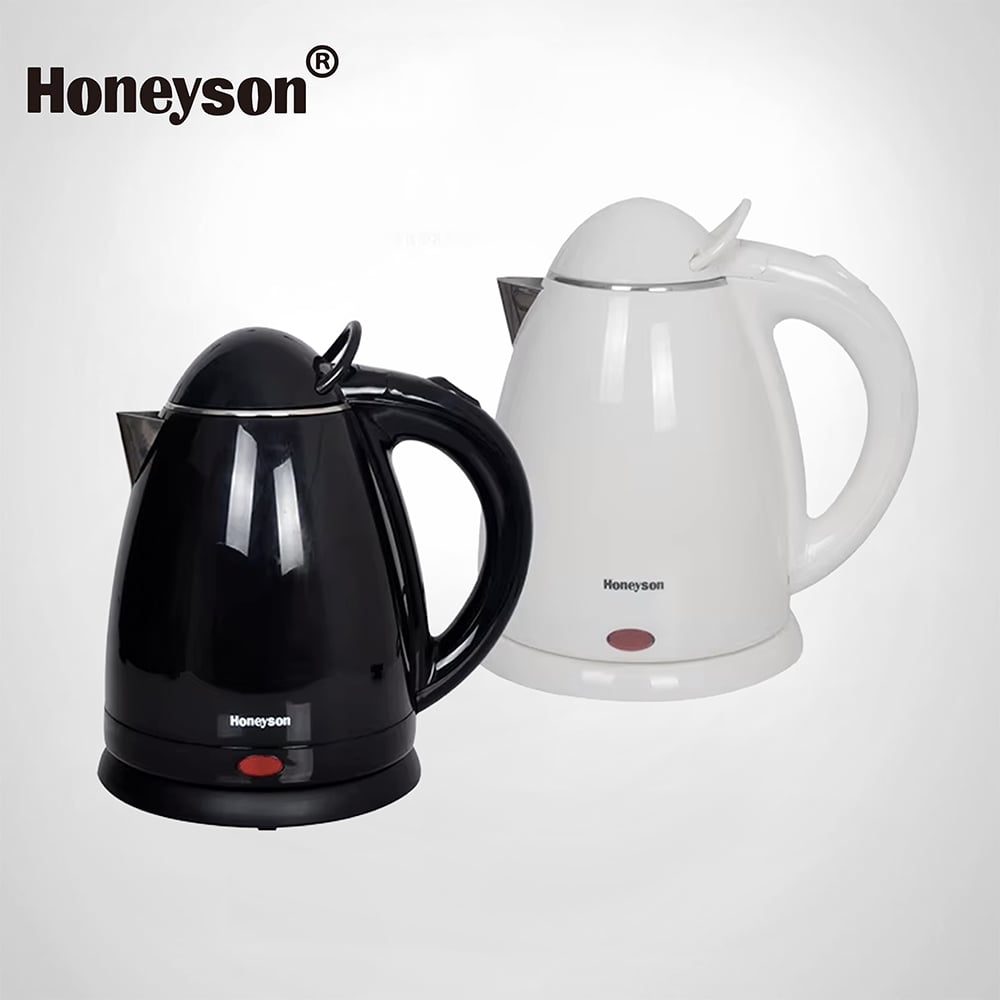
Endurance testing simulates real-world usage patterns over extended periods, helping hospitality supplies manufacturers identify potential failure points before products reach guest rooms. By subjecting hotel room appliances to repeated use cycles, temperature variations, and operational stress, manufacturers can validate durability claims and ensure consistent performance. This testing methodology protects both the supplier's reputation and the hotel's operational efficiency, reducing costly maintenance calls and guest complaints that stem from equipment failure.
Understanding Endurance Testing Standards for Hotel Room Appliances
What Endurance Testing Measures
Endurance testing evaluates how guest room equipment performs under continuous use over an extended timeframe. For hospitality supplies, this means running appliances through hundreds or thousands of cycles to simulate months or years of typical hotel use. A kettle might be filled and boiled repeatedly, a coffee maker cycled through complete brew sequences, and other hotel room appliances tested through their primary functions continuously. The goal is to identify wear patterns, mechanical failures, electrical degradation, and any safety concerns that emerge only after prolonged use.
Industry Standards and Compliance Requirements
Hospitality equipment manufacturers must comply with established safety standards and performance benchmarks. International organizations set guidelines for appliance testing that OEM hospitality equipment suppliers follow rigorously. These standards define minimum cycle counts, temperature ranges, humidity conditions, and failure thresholds that products must withstand. Compliance with these standards provides hotels with assurance that their guest room equipment meets recognized quality criteria and reduces liability concerns related to defective appliances or safety hazards.
The Role of Endurance Testing in Quality Assurance
Identifying Failure Points Early
One of the primary benefits of endurance testing is its ability to reveal failure modes that might not appear during basic functionality checks. Hospitality supplies manufacturers use this testing to discover weak design elements, material degradation, or component failures that develop gradually. When a heating element in hotel room appliances shows signs of stress after five thousand cycles, engineers can redesign that component before manufacturing hundreds of units. This early detection prevents widespread product recalls and protects the supplier's market position.
Optimizing Design and Materials
Endurance testing data guides decisions about material selection and design improvements in guest room equipment. If testing shows that a plastic component becomes brittle after prolonged heat exposure, OEM hospitality equipment designers might specify a different polymer or add protective shielding. Testing results inform choices about component thickness, joint strength, seal durability, and thermal management. These iterative improvements, driven by real test data, result in appliances that truly can withstand the demands of high-traffic hospitality environments where daily use far exceeds typical household patterns.
Practical Implementation and Testing Scenarios
Designing Realistic Use Cycles
Effective endurance testing replicates the actual usage patterns found in hotel environments. A kettle used in hospitality supplies must handle multiple daily fills and boils by different guests, not just a few experimental runs. Testing scenarios for guest room equipment consider variables such as varying water quality, mineral deposits, temperature fluctuations, and user handling that might be less careful than home use. OEM hospitality equipment suppliers design test cycles that mirror peak-season operation, where equipment might run continuously or cycle dozens of times daily, creating accelerated wear conditions.
Monitoring and Documentation
Throughout endurance testing, manufacturers carefully monitor equipment performance and document all observations. Test data collection includes cycle counts, temperature readings, electrical current measurements, and any visual signs of wear or damage. Hotels purchasing from hospitality supplies vendors gain confidence when they see documented test reports showing that hotel room appliances successfully completed extensive validation cycles. This documentation also serves as evidence of due diligence, supporting warranty claims and demonstrating commitment to quality among serious OEM hospitality equipment makers.
FAQ
How many cycles should hotel room appliances withstand during endurance testing?
The required number of cycles depends on the type of appliance and industry standards applicable to guest room equipment. Most hospitality supplies manufacturers conduct testing ranging from five thousand to fifty thousand cycles, with more complex devices or high-use items requiring more extensive testing. OEM hospitality equipment standards specify minimum cycle counts based on expected product lifespan and typical usage frequency in hotel environments. Suppliers should provide documentation showing the specific cycle count their hotel room appliances have successfully completed.
What role does endurance testing play in reducing operational costs for hotels?
Endurance testing directly reduces hotel operational expenses by minimizing equipment failures and maintenance needs. When hospitality supplies are thoroughly tested before purchase, hotels experience fewer in-room breakdowns that require emergency replacement or repair calls. Guest room equipment that has passed rigorous endurance validation requires less frequent servicing and lasts longer, extending the investment return. Hotels working with reliable OEM hospitality equipment suppliers that prioritize endurance testing experience lower total cost of ownership and fewer guest service disruptions caused by appliance failures.
Can endurance testing predict the exact lifespan of hotel room appliances?
While endurance testing provides valuable durability insights, it cannot predict the exact lifespan of guest room equipment under all conditions since real-world variables differ from laboratory testing. However, testing results do establish reliable minimum performance expectations and help hospitality supplies manufacturers and hotels understand expected service life under normal use. Endurance testing of hotel room appliances demonstrates that equipment will reliably perform for a defined period, helping buyers make informed decisions about replacement cycles and warranty expectations. OEM hospitality equipment suppliers who conduct comprehensive endurance validation can confidently guarantee performance standards based on test data.
