
 EN

Remote resort sites present unique challenges for hospitality suppliers when it comes to appliance packaging and handling. Unlike urban hotels with established logistics networks, resorts located in isolated areas require specialized strategies to ensure that hotel room appliances arrive in perfect condition and remain functional throughout their operational lifespan. The complexity of transporting OEM hospitality equipment to distant locations demands careful planning, robust packaging solutions, and a deep understanding of environmental factors that could compromise guest room equipment during transit and storage.
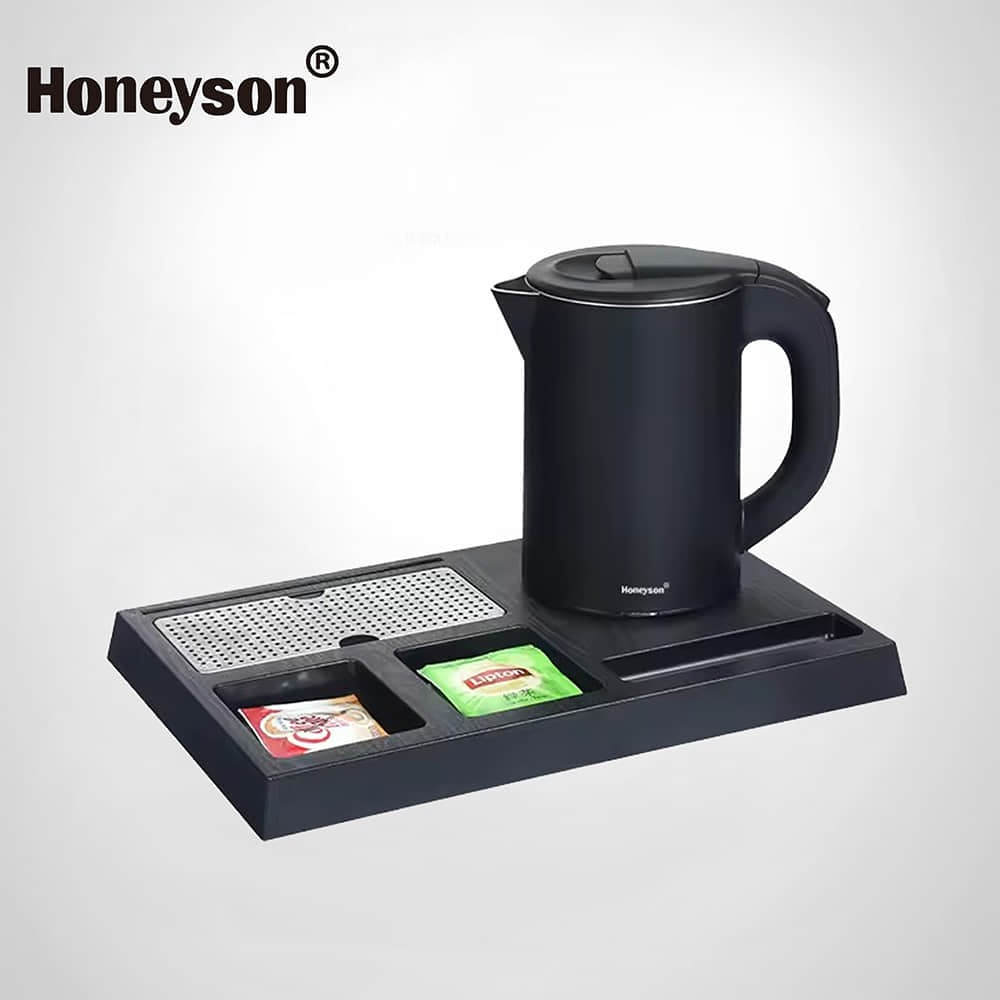
Hospitality supplies destined for remote resorts encounter multiple layers of environmental stress, from humid tropical climates to temperature fluctuations and rough handling during multi-leg transportation routes. When hospitality suppliers design packaging for these scenarios, they must consider not only protection during shipment but also the long-term storage conditions at resort facilities that may lack climate-controlled warehousing. The investment in superior packaging solutions directly impacts operational costs, guest satisfaction, and the durability of OEM hospitality equipment installations.
Understanding Environmental Hazards for Remote Resort Delivery
Climate and Humidity Exposure
Remote resorts often operate in environments where humidity levels, temperature swings, and salt air corrosion present constant threats to appliances. Hospitality supplies packaged for these regions must incorporate moisture barriers, desiccant systems, and corrosion-resistant materials. Hotel room appliances shipped to coastal or tropical resorts require extra protection against salt spray and condensation that accumulates during transit. Hospitality suppliers who understand these environmental variables design packaging that includes sealed vapor barriers and protective coatings on metal components.
Transportation Route Complexity
Reaching remote resort sites typically involves multiple transportation stages: ocean freight, then truck transport, and finally local delivery via unpaved roads or boat access. Each stage introduces vibration, impact, and handling stress that standard packaging cannot withstand. OEM hospitality equipment undergoes rigorous testing to withstand these multi-modal shipping scenarios. Hospitality suppliers working with remote resorts employ reinforced wooden crates, shock-absorbing foam layers, and edge protectors to prevent damage accumulating across transportation legs. Guest room equipment must survive not only the journey but also temporary outdoor storage at port facilities where exposure to weather and rough handling is inevitable.
Packaging Design Standards for Isolated Locations
Material Selection and Structural Design
Hospitality suppliers select packaging materials based on remote resort site conditions, regulatory requirements, and cost efficiency. Wooden crates with internal bracing provide superior structural support compared to cardboard alternatives, especially for heavy OEM hospitality equipment. The internal frame design must distribute weight evenly and prevent shifting during transport, while exterior materials resist moisture penetration and temperature changes. Hotel room appliances often require customized inserts that secure components individually, preventing movement that creates vibration damage over long shipping distances. Hospitality supplies destined for remote locations typically use closed-cell foam, polyethylene sheets, and kraft paper combinations to create comprehensive protection against environmental hazards.
Labeling and Documentation for Remote Delivery
Clear labeling becomes critical when hospitality suppliers ship to remote resorts where language barriers and minimal infrastructure exist. Package labels must indicate fragility warnings, moisture sensitivity, proper handling orientation, and emergency contact information in multiple languages. Hospitality supplies should include detailed installation guides and spare parts lists because remote resorts may not have immediate access to replacement equipment or technical support. OEM hospitality equipment documentation must specify storage conditions, acclimatization requirements before installation, and warranty conditions related to improper handling. Each package should carry unique serial numbers that hospitality suppliers and resort management can track throughout delivery and installation phases.
Handling Protocols and Installation Best Practices
On-Site Receiving and Storage Management
When hospitality supplies arrive at remote resort sites, staff must follow specific receiving protocols to prevent damage during unloading and storage phases. Hotel room appliances should be inspected immediately for visible damage, and any issues must be documented and reported to hospitality suppliers before packages are opened. OEM hospitality equipment should remain in protective packaging until installation day, particularly in resort environments where outdoor storage is inevitable. Guest room equipment requires designated dry storage areas, away from direct sunlight and moisture exposure, with temperature conditions as stable as the remote location permits. Hospitality suppliers recommend creating receiving documentation systems that track equipment condition at arrival, storage location, and installation date for warranty and maintenance purposes.
Installation and Acclimatization Procedures
Hospitality supplies, especially electronic hotel room appliances, benefit from acclimatization periods before activation in remote resort environments. Temperature and humidity shock can damage sensitive components when equipment moves from cool shipping containers to warm, humid resort rooms. OEM hospitality equipment manufacturers recommend waiting 24-48 hours before connecting power or water supplies, allowing internal condensation to evaporate naturally. Hospitality suppliers and resort technicians should follow installation checklists specific to each guest room equipment type, verifying proper connection, drainage, ventilation, and electrical grounding before guest use. Documentation of installation dates and technician signatures creates accountability chains that support warranty claims if equipment failures occur.
Cost Optimization Without Compromising Protection
Balancing Premium Packaging with Logistics Efficiency
Hospitality suppliers face constant pressure to reduce packaging costs while maintaining protection standards that remote resort environments demand. Strategic material choices can achieve cost reduction through standardized crate dimensions that optimize shipping container space and reduce freight expenses. Hotel room appliances grouped into consolidated shipments reduce per-unit handling costs compared to individual deliveries. OEM hospitality equipment suppliers negotiate volume discounts on packaging materials while maintaining structural integrity and environmental protection. Hospitality supplies benefit from supplier relationships where volume commitments secure favorable pricing on specialized foam, protective coatings, and labeling systems. Resort management can further reduce costs by consolidating multiple appliance deliveries into single shipments, coordinating installation schedules to minimize resort downtime and handling labor.
Damage Prevention and Warranty Considerations
Investing in superior packaging represents a cost-effective strategy for hospitality suppliers because damage claims far exceed packaging expenses. When hotel room appliances arrive damaged, remote resorts face extended downtime, guest dissatisfaction, and emergency expedited replacement shipments that incur premium freight charges. OEM hospitality equipment suppliers include detailed packaging specifications within warranty agreements, clarifying that improper handling voids coverage only when clear deviation from guidelines is documented. Hospitality supplies documentation should detail how packaging should be removed, stored, and handled to maintain warranty validity. Resort management benefits from understanding that premium initial packaging prevents catastrophic failures costing thousands in emergency repairs and lost revenue.
FAQ
How do hospitality suppliers protect appliances from salt air corrosion during remote delivery?
Hospitality suppliers use sealed vapor barriers with desiccant packets and apply corrosion-resistant coatings to metal components of hotel room appliances and OEM hospitality equipment. Packaging includes polyethylene liners and kraft paper combinations that create moisture-proof seals around guest room equipment, preventing salt spray and humidity exposure during multi-stage transportation to remote resort sites. Hospitality supplies destined for coastal regions receive additional protective treatments on electrical connectors and metal fasteners.
What acclimatization period is recommended before using hospitality supplies in remote resort rooms?
OEM hospitality equipment and hotel room appliances should acclimatize for 24-48 hours after arrival at remote resorts, particularly in tropical climates with significant temperature and humidity differences. Hospitality suppliers recommend waiting before connecting water or electrical systems to guest room equipment, allowing condensation inside packaging to dissipate naturally. This acclimatization period prevents damage to sensitive electronic components and ensures proper functioning of hospitality supplies throughout their operational lifespan at remote resort sites.
Can hospitality supplies be stored outdoors at remote resort sites before installation?
Hospitality suppliers recommend storing OEM hospitality equipment indoors and away from direct sunlight whenever possible, but understand that remote resorts may lack adequate dry storage facilities. Hotel room appliances should remain in protective packaging until installation, positioned under covered areas that provide shade and protection from rain. Guest room equipment requires labeling with clear warnings about moisture sensitivity, and hospitality supplies should be elevated on pallets rather than placed directly on ground surfaces to minimize water exposure and maintain equipment integrity.
