
 EN
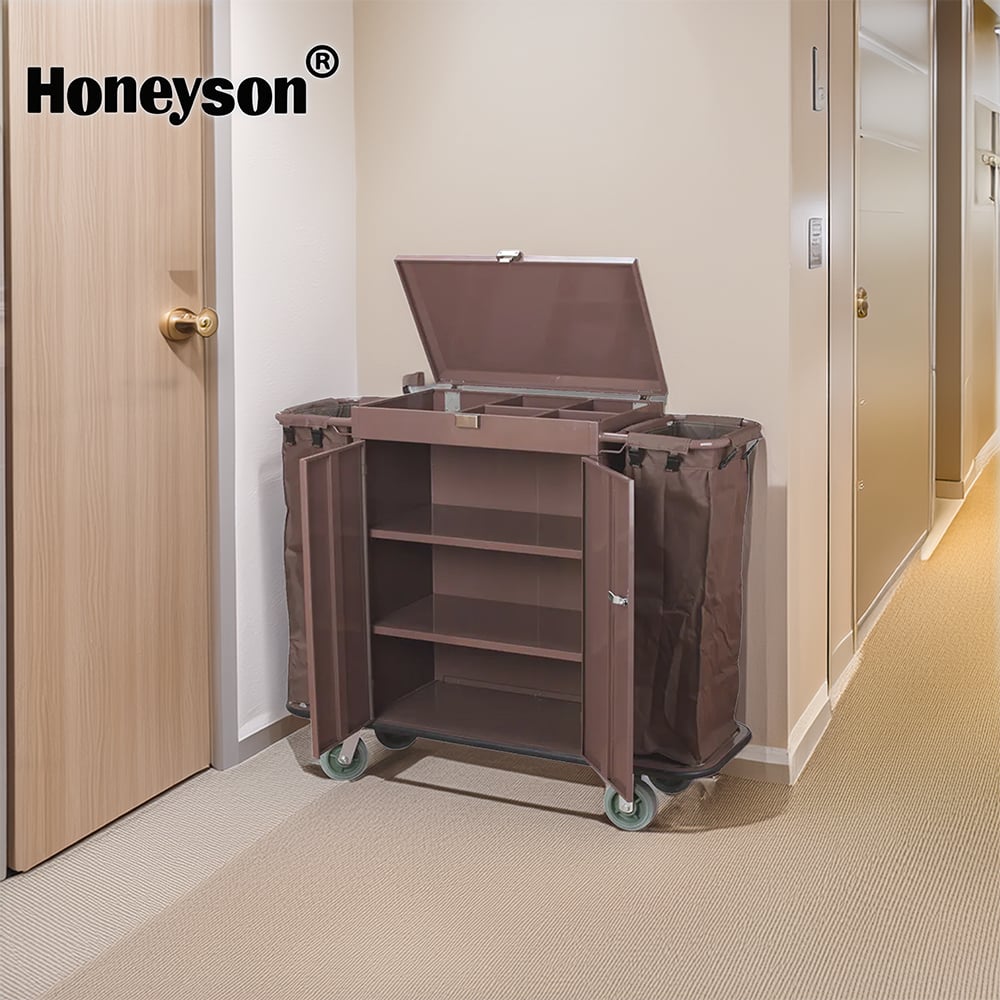
Rolling out new hotel amenities across an entire portfolio is a significant operational and financial commitment. Many hospitality leaders make the mistake of implementing changes uniformly across all properties without first validating performance, guest response, and operational impact. Small batch trials offer a strategic solution to this challenge, allowing you to test new guest room amenities in controlled environments before committing resources to a full rollout. This measured approach reduces risk, identifies potential issues early, and ensures that new hotel electrical amenities align with your brand standards and guest expectations.
The competitive hospitality landscape demands continuous improvement in the guest experience. OEM hotel amenities and guest room amenities now directly influence booking decisions and online reviews. By conducting pilot tests on a small scale, you gather real-world data about performance, durability, guest preference, and operational feasibility. This intelligence becomes the foundation for confident, large-scale deployment decisions that protect your brand reputation and maximize return on investment.
Why Small Batch Trials Matter for Hotel Amenities
Reducing Implementation Risk
When you introduce new hotel amenities across your entire portfolio without testing, you expose all properties to potential failure simultaneously. Supply chain disruptions, manufacturing defects, or misalignment with guest preferences can damage reputation at scale. Small batch hotel amenities trials confine any issues to a limited number of rooms or properties, preventing company-wide impact. If a particular guest room amenity fails quality standards or underperforms, you catch it before it affects thousands of guests. OEM hotel amenities from new suppliers or manufacturers also benefit from this validation step, ensuring they meet your operational requirements and aesthetic standards before widespread adoption.
Gathering Authentic Guest Feedback
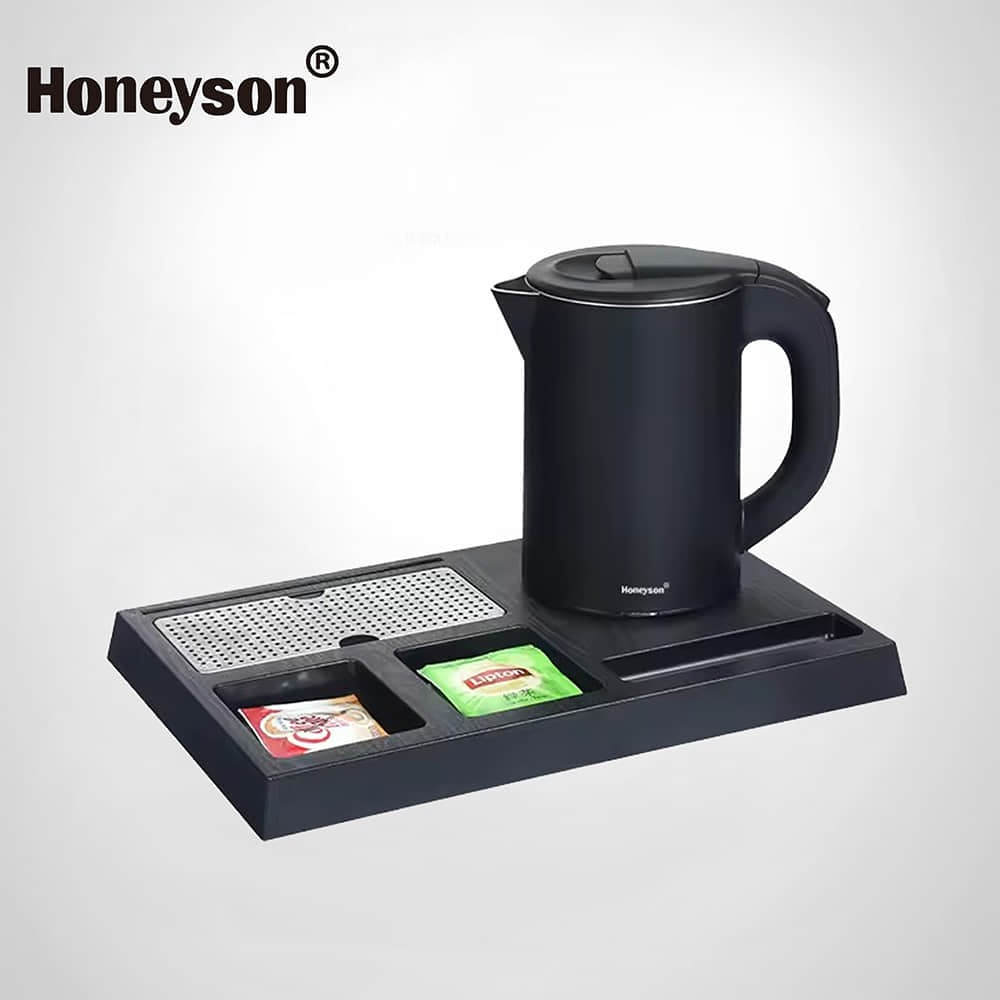
Direct guest input shapes successful hotel amenities strategies. During a small batch trial, you collect feedback from actual users in real operational environments. Guest surveys, maintenance team observations, and housekeeping notes reveal practical insights that market research alone cannot provide. Hotel electrical amenities like charging systems, lighting fixtures, or kettle sets generate specific feedback about usability, safety, and reliability. This data allows you to refine specifications, placement, or training protocols before wider deployment. OEM hotel amenities performance can be assessed under authentic usage patterns, not laboratory conditions.
Structuring Effective Small Batch Amenities Trials
Selecting Representative Test Properties
Choose properties that mirror the typical operational environment of your broader portfolio. If you operate a mix of urban and suburban hotels, test both property types. A small batch trial should represent your average guest demographic, occupancy rate, and service standards. Testing hotel amenities in a flagship property alone may not reflect performance in mid-tier locations. Similarly, guest room amenities tested only in high-volume urban hotels may behave differently in leisure destinations. OEM hotel amenities trials should include properties with different housekeeping staffing levels and maintenance capabilities to ensure compatibility across operational diversity. This representative selection validates that positive results will translate across your actual portfolio mix.
Defining Clear Success Metrics
Before launching a guest room amenities trial, establish measurable success criteria. Track guest satisfaction scores, complaint rates, damage frequency, and maintenance demands. For hotel electrical amenities, monitor power consumption, malfunction reports, and safety incidents. OEM hotel amenities should be evaluated against baseline performance from existing items. Set threshold targets—for example, if a new coffee kettle set must achieve 95 percent guest satisfaction and zero safety incidents during a trial period. Document standardized evaluation protocols so each property in your small batch trial measures outcomes consistently. Clear metrics prevent subjective interpretation and create accountability for trial success.
Duration and Sample Size Considerations
Most effective hotel amenities trials run for three to six months, allowing enough guest turnover and seasonal variation to emerge. A sample size of ten to twenty rooms or two to four properties typically provides sufficient data without overextending resources. Guest room amenities performance patterns usually stabilize within this window. Longer trials accumulate more feedback but delay decision-making; shorter trials may miss seasonal impacts or maintenance issues. For hotel electrical amenities, extended duration reveals wear patterns and reliability trends. OEM hotel amenities require adequate time for housekeeping teams to integrate new products into their workflows and identify training needs.
Translating Trial Results into Portfolio Rollout
Analyzing and Prioritizing Feedback
Once your small batch guest room amenities trial concludes, organize feedback into actionable categories: performance issues, installation challenges, guest preferences, and cost implications. Separate genuine problems from isolated complaints. When hotel electrical amenities trials reveal consistent user difficulty with a particular feature, that signals a design or training issue requiring resolution before rollout. OEM hotel amenities may require supplier negotiations to adjust specifications based on trial learnings. Prioritize changes that directly affect guest experience or safety over minor aesthetic adjustments. This systematic approach ensures your rollout strategy addresses real issues, not outlier feedback.
Phased Portfolio Deployment
After successful hotel amenities trials, avoid deploying everywhere simultaneously. Implement a phased rollout starting with five to ten properties, then expand in waves. This staged approach allows your supply chain, training programs, and operational teams to adapt. Guest room amenities adoption across larger property samples reveals unforeseen integration challenges—scheduling conflicts during busy seasons, compatibility with existing systems, or regional guest preference variations that small batch trials cannot always predict. Hotel electrical amenities rollout benefits from phased deployment because it spreads purchasing power evenly and prevents supplier shortages. OEM hotel amenities vendors also appreciate predictable, phase-based ordering volumes, potentially leading to better pricing and support.
Continuous Monitoring Post-Rollout
Even after full portfolio deployment, treat hotel amenities performance as an ongoing priority. Establish quarterly check-ins to monitor guest satisfaction, maintenance demands, and cost performance. Guest room amenities sometimes reveal problems only after hundreds of rooms and thousands of guest interactions. Hotel electrical amenities durability may vary based on regional climate, water hardness, or power grid characteristics that weren't apparent during small batch trials. OEM hotel amenities from new suppliers may need formula adjustments or design refinements as production scales. Continuous monitoring ensures your investment delivers sustained value and informs decisions about future refreshes or adjustments.
FAQ
Why not test hotel amenities in just one room or property?
Testing in a single location risks skewed results. One property's guest demographic, seasonal patterns, or housekeeping practices may not represent your broader portfolio. Small batch guest room amenities trials spanning multiple properties or ten to twenty rooms provide statistically meaningful feedback. A single outlier guest or isolated operational issue could drive incorrect conclusions. OEM hotel amenities from new manufacturers especially benefit from diverse testing environments to validate performance consistency across different property types and operational conditions.
How long should a guest room amenities trial actually run?
Most hotel amenities trials should run three to six months to capture seasonal variation, accommodate different guest types, and allow maintenance patterns to emerge. Hotel electrical amenities require adequate time to reveal wear, power consumption consistency, and reliability under continuous use. Shorter trials risk missing seasonal issues or supply chain delays. Longer trials delay portfolio deployment decisions unnecessarily. OEM hotel amenities specifically benefit from three-month minimums because new suppliers may adjust production quality during initial runs, and housekeeping teams need time to adapt training and workflows to unfamiliar products.
What happens if a hotel amenities trial reveals significant problems?
Problems during trials are success—they prevent larger failures during full rollout. If guest room amenities perform poorly, you negotiate with suppliers, redesign implementation, or select alternative products before portfolio-wide investment. Hotel electrical amenities with safety concerns must be stopped immediately and replaced. OEM hotel amenities that fail durability tests should trigger supplier discussions about material substitution or manufacturing process adjustments. Trial failures save money by preventing expensive portfolio-wide mistakes and guest dissatisfaction that would damage your brand across all properties.
