
 EN
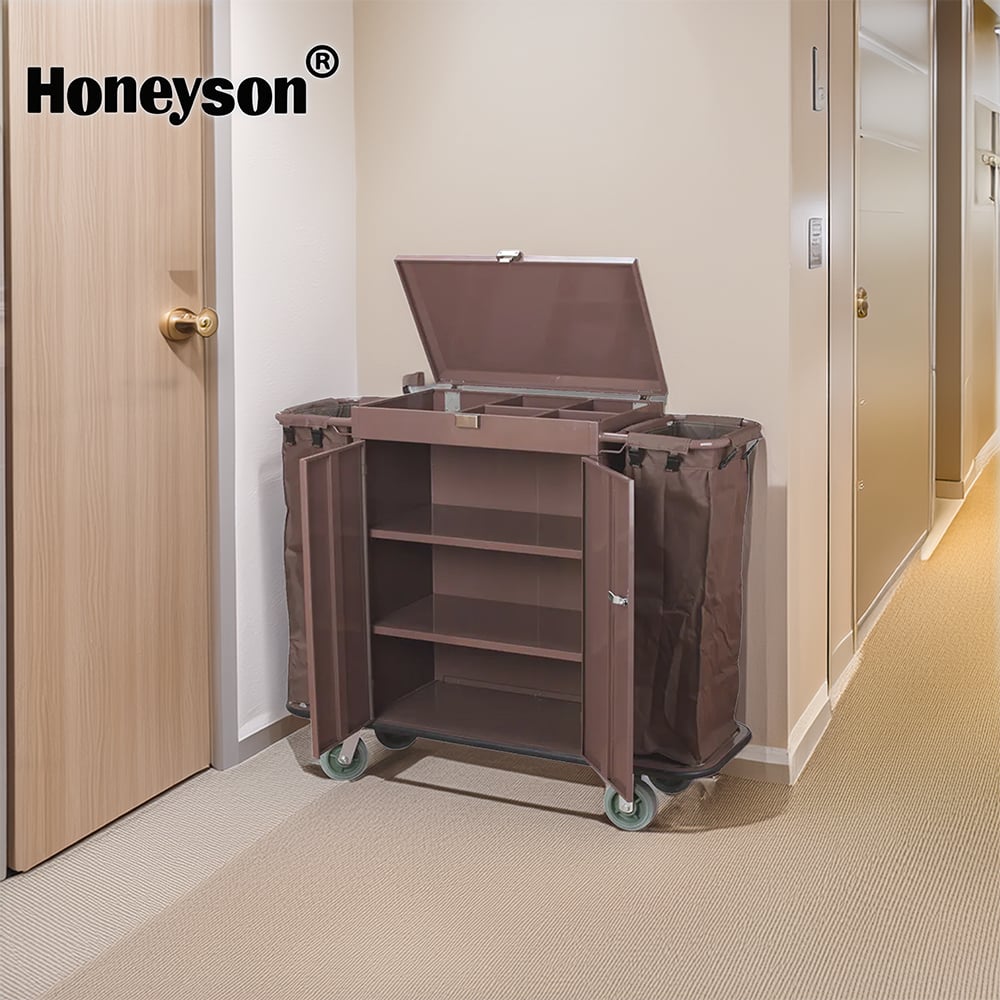
Electrical systems within hotel rooms represent one of the most critical yet frequently overlooked components of overall guest satisfaction and operational efficiency. From the moment guests check in, they depend on reliable electrical infrastructure to power everything from lighting and climate control to entertainment and personal grooming devices. Understanding the common failure points in electrical room amenities is essential for hotel operators who want to maintain consistent service quality, reduce downtime, and protect their investment in guest room infrastructure. Daily hotel use places tremendous stress on these systems, and identifying vulnerabilities early can prevent costly repairs and negative guest experiences.
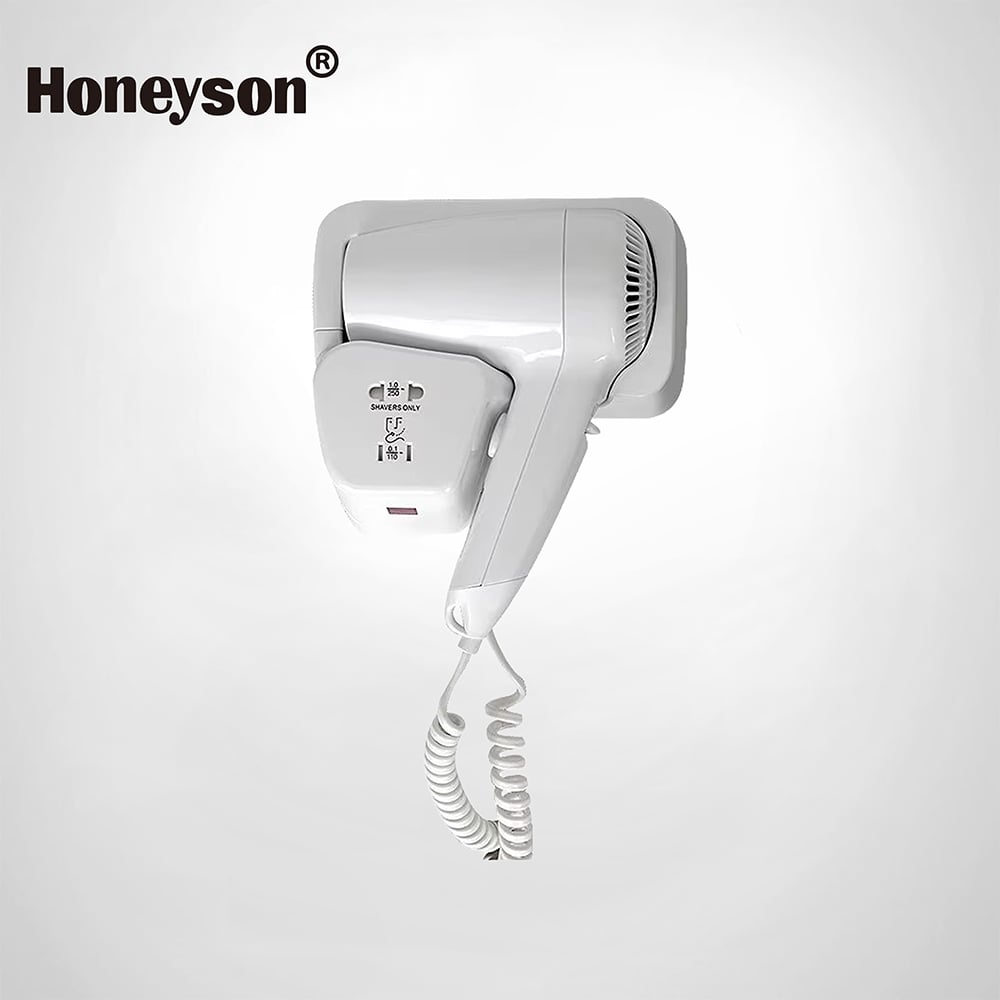
The guest room amenities market continues to evolve as expectations rise and usage patterns intensify. Hotels must recognize that modern guests rely heavily on hotel amenities that support both comfort and connectivity throughout their stay. This guide explores the specific failure points that emerge under regular use, helping property managers and maintenance teams implement proactive strategies to enhance reliability and guest satisfaction.
Wear Patterns in High-Traffic Guest Room Amenities
Power Outlet and Charging Infrastructure Degradation
Power outlets and USB charging ports experience constant physical stress from daily guest use. Each insertion and removal of a plug creates micro-friction within the outlet mechanism, gradually loosening internal contacts and reducing electrical conductivity. Over months of continuous use, outlets develop intermittent connection issues where devices charge unpredictably or fail to charge at all. Guest room amenities that include built-in charging solutions or wall-mounted outlets are particularly vulnerable because they absorb the full force of repeated mechanical stress without protective enclosures. Hotels that fail to replace worn outlets promptly often face multiple guest complaints about charging failures, leading to service calls and potential negative reviews. OEM hotel amenities designed with reinforced contact mechanisms and deeper receptacles offer better longevity, but standard installations degrade within 18 to 24 months of normal use.
Switch Deterioration and Light Control Issues
Light switches, dimmers, and control panels represent another critical vulnerability in guest room amenities systems. Guests typically operate these controls multiple times daily, flipping switches in darkness, using excessive force, and sometimes striking them accidentally with luggage or furniture. The mechanical switches within wall-mounted controls wear out gradually, eventually failing to make reliable electrical contact. Dimmer switches prove especially problematic because the variable resistance component inside degrades under continuous use, causing lights to flicker, dim unpredictably, or fail completely. Hotel electrical amenities that include smart controls or automation systems can mask early switch failures temporarily, but the underlying mechanical wear continues. Routine testing of all switching mechanisms during preventive maintenance helps identify failures before guests encounter problems.
Environmental Stress Factors in Hotel Amenities Operations
Moisture and Humidity Damage to Electrical Components
Bathrooms and rooms with high moisture exposure create hostile environments for standard electrical installations. Guest room amenities located near showers, sinks, or ventilation areas absorb moisture that corrodes metal contacts and compromises insulation integrity. Humidity fluctuations throughout the year cause expansion and contraction of components, stressing solder connections and loosening terminal blocks. Corrosion appears as discoloration or white crystalline deposits on outlet faces and switch plates, indicating that oxidation is progressing internally. Hotel electrical amenities that lack proper moisture sealing or waterproofing deteriorate rapidly in these environments, leading to short circuits, tripped breakers, and potential safety hazards. OEM hotel amenities typically include moisture-resistant gaskets and conformal coatings that extend equipment life in wet areas. Hotels in tropical climates or near coastal regions experience accelerated deterioration, requiring more aggressive replacement cycles and preventive treatment protocols.
Temperature Fluctuations and Thermal Cycling Effects
Seasonal temperature changes and rapid heating cycles from appliances cause electrical components to expand and contract repeatedly. Guest room amenities such as wall-mounted heaters, heat lamps, and high-draw devices generate significant localized heat that stresses nearby wiring insulation and connection points. These thermal cycles gradually fatigue solder joints, crack circuit board traces, and weaken wire insulation, creating intermittent faults that prove difficult to diagnose. Rooms that experience direct sunlight exposure show accelerated degradation patterns compared to interior rooms with stable temperatures. Hotels operating in cold climates face additional challenges because metal components contract severely in winter, creating loose connections that cause flickering lights and intermittent device operation. Proper ventilation, adequate spacing around heat-generating devices, and selection of temperature-rated components help mitigate these effects in hotel electrical amenities systems.
Overload Conditions and Circuit Protection Failures
Simultaneous Device Operation and Demand Surges
Modern guests operate multiple high-power devices simultaneously, creating electrical demand that often exceeds the capacity of room circuits designed decades ago. Guests charge laptops, phones, and tablets while using hair dryers, hot water kettles, and space heaters, collectively drawing far more current than original circuit breakers anticipated. Guest room amenities that include entertainment systems, mini-refrigerators, and climate control devices add additional load, pushing circuits toward their limits. Undersized wiring and circuits cause voltage drops that damage sensitive electronics and force breakers to trip repeatedly. Hotels that fail to upgrade electrical infrastructure proportionally to guest expectations encounter chronic service interruptions and costly damage to high-value equipment. Modern OEM hotel amenities are engineered for higher power distribution and include circuit protection designed for typical usage patterns, significantly reducing failure rates and improving overall reliability.
Circuit Breaker and Panel-Level Protection Degradation
Circuit breakers deteriorate over time, losing responsiveness and accuracy in detecting overload conditions. Older breakers may fail to trip when they should, allowing sustained overcurrent that damages wiring insulation and creates fire hazards within hotel electrical amenities systems. Conversely, aging breakers may trip prematurely during normal operation, causing frequent outages that frustrate guests and disrupt hotel services. Panel-level connections corrode and loosen from thermal cycling, creating hot spots that generate excessive heat and increase fire risk. Hotels must conduct regular thermal imaging inspections of electrical panels and breakers to identify failing protection devices before they create safety emergencies. Testing and replacing breakers according to manufacturer recommendations and local building codes ensures that guest room amenities operate safely and reliably under real-world usage conditions.
FAQ
What are the most common electrical failures affecting hotel amenities?
Power outlet deterioration, switch mechanism wear, moisture-induced corrosion, thermal cycling damage, and circuit breaker failures represent the leading causes of electrical problems in guest room amenities. These failures typically emerge within 18 to 24 months under daily hotel use and can be prevented through proactive maintenance, environmental controls, and timely component replacement.
How can hotels extend the lifespan of guest room amenities?
Regular preventive maintenance including visual inspections, thermal imaging, moisture control, adequate ventilation, and prompt replacement of worn components significantly extends the life of guest room amenities. Installing OEM hotel amenities designed for high-use environments, implementing proper circuit protection, and conducting staff training on appropriate care practices also help maximize equipment longevity and reliability.
Are OEM hotel amenities worth the higher investment?
Yes, OEM hotel amenities offer superior durability, proper circuit protection, moisture sealing, and thermal resistance designed specifically for hospitality environments. While initial costs are higher, reduced failure rates, fewer guest complaints, lower maintenance expenses, and extended equipment life make OEM hotel electrical amenities a financially sound investment that delivers long-term value and improved operational efficiency.