
 EN
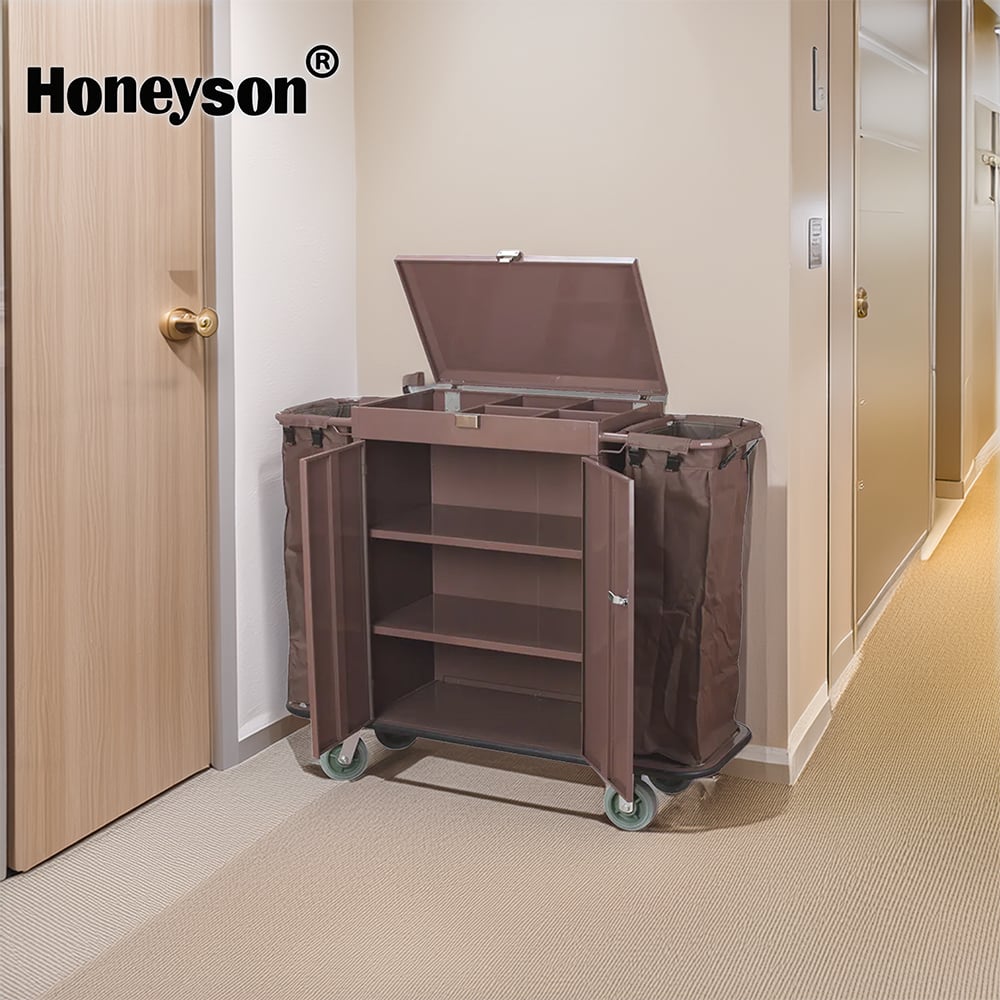
When selecting hotel amenities for your property, the temptation to focus solely on price per unit can undermine long-term guest satisfaction and operational efficiency. Many hotel managers and procurement teams overlook the critical factors that distinguish premium hotel amenities from budget alternatives. Beyond the initial cost comparison, quality assessment requires evaluating durability, functionality, brand alignment, and total cost of ownership. This comprehensive approach ensures that your investment in hotel amenities delivers measurable returns through enhanced guest experiences and reduced replacement cycles.
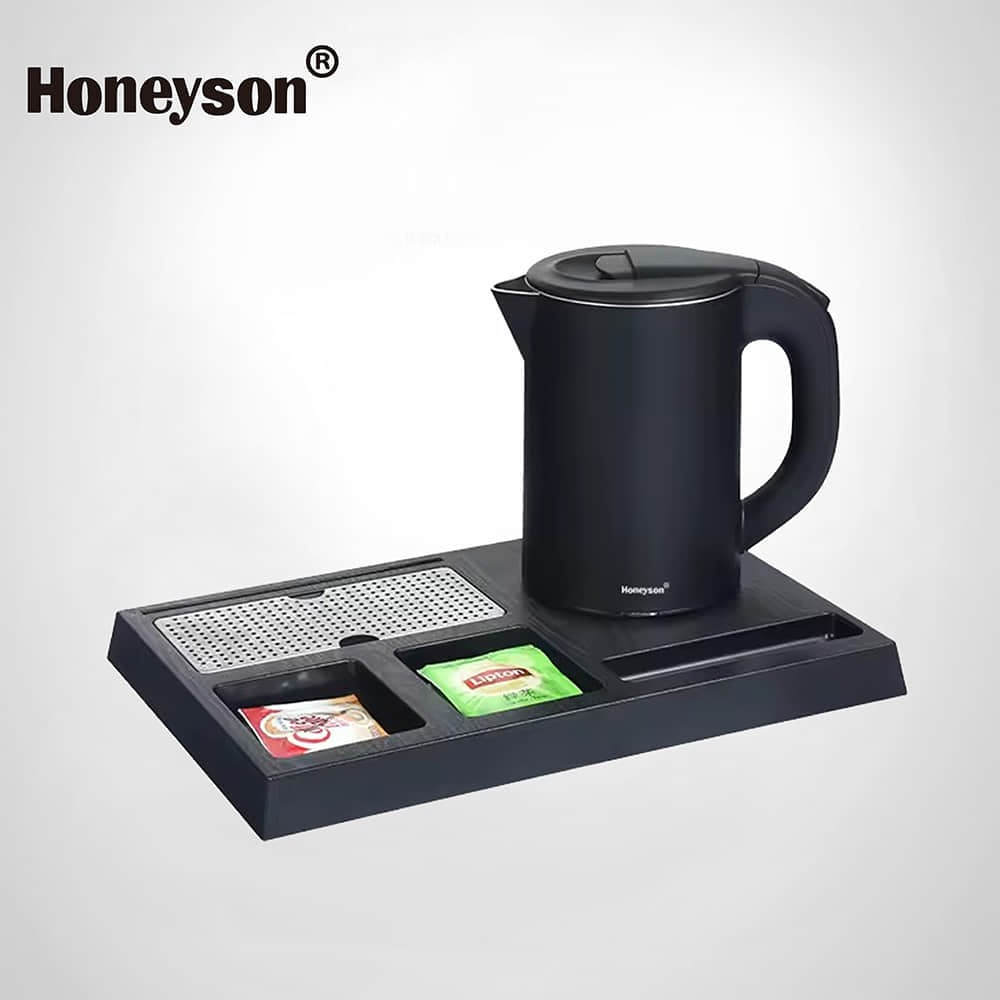
Guest room amenities represent a direct touchpoint with your clientele, influencing online reviews, repeat bookings, and brand loyalty. Whether evaluating guest room amenities for a boutique property or a large chain, the quality indicators go far beyond what a price sheet reveals. Assessing hotel electrical amenities, material composition, warranty coverage, and aesthetic consistency provides the foundation for informed purchasing decisions that reflect your property's standards and market positioning.
Understanding Quality Dimensions Beyond Unit Cost
Durability and Lifecycle Performance
Quality hotel amenities are engineered to withstand frequent guest use, environmental exposure, and maintenance cycles. Assessing durability requires examining material specifications, corrosion resistance, and mechanical robustness rather than relying on price comparisons. High-quality guest room amenities maintain functionality and appearance over extended periods, reducing unplanned replacements and maintenance disruptions. When evaluating hotel electrical amenities specifically, inspect certifications, voltage stability performance, and thermal management capabilities. OEM hotel amenities often incorporate superior engineering practices that lower failure rates and extend service life, offsetting higher upfront costs through reduced lifecycle expenses.
Guest Experience and Brand Perception
The tactile and functional quality of hotel amenities directly influences guest perception of your entire property. Budget alternatives may function adequately in short-term use but often exhibit visible wear, inconsistent performance, or aesthetic degradation that signals poor property maintenance. Premium guest room amenities demonstrate attention to detail, reliability, and comfort—qualities guests associate with higher-value stays. Brand-aligned hotel amenities reinforce your market positioning and justify premium room rates. Conversely, penny-pinching on amenity quality can damage reputation disproportionately to the cost savings realized, resulting in lower ratings and reduced occupancy.
Evaluating Material Quality and Specifications
Material Composition and Standards Compliance
Quality differentiation in guest room amenities begins with material selection. Premium options often use food-grade stainless steel, medical-grade polymers, or architectural-grade finishes that resist corrosion, staining, and degradation. Budget alternatives may employ lower-grade materials that corrode quickly, discolor, or harbor bacteria. OEM hotel amenities adhere to strict international standards for safety, durability, and hygiene, often exceeding minimum regulatory requirements. When comparing hotel amenities, request material data sheets, certification documentation, and testing reports. Examine finishes under direct light to assess consistency and quality. Ask suppliers about surface treatments, protective coatings, and environmental testing—information that reveals true quality positioning beyond marketing claims.
Functional Reliability and Performance Metrics
Hotel electrical amenities demand particular scrutiny regarding performance specifications. Evaluate voltage regulation, power output stability, safety features, and thermal management capabilities. Quality OEM hotel amenities incorporate redundant safety mechanisms, temperature monitoring, and surge protection that prevent guest accidents and equipment damage. Budget alternatives may lack these protections, exposing your property to liability risks and guest dissatisfaction. Request performance test results, thermal imaging data, and failure rate statistics from manufacturers. Compare warranty terms, repair coverage, and replacement policies—extended warranties often indicate manufacturer confidence in product reliability. These metrics reveal the engineering philosophy behind each amenity option and predict long-term operational performance.
Calculating Total Cost of Ownership
Hidden Costs and Replacement Cycles
Price-per-unit analysis ignores critical cost factors that impact your actual expenditure. Premium guest room amenities typically require replacement every four to seven years depending on usage intensity, while budget options may need replacement every 18 to 36 months. This difference transforms purchasing economics dramatically. Include in your analysis: replacement labor costs, inventory management overhead, supplier relationship stability, and operational disruption during replacements. When evaluating hotel amenities systematically, factor in water consumption efficiency (relevant for amenities involving water), energy consumption patterns, and maintenance requirements. OEM hotel amenities often incorporate efficiency features that reduce operational costs continuously over their lifespan, contributing to bottom-line savings that price-only analysis completely misses.
Warranty Support and Supply Chain Reliability
Quality hotel amenities typically include comprehensive warranty coverage and accessible repair or replacement channels. Premium suppliers maintain adequate inventory, offer expedited shipping, and provide technical support for troubleshooting. These service levels prevent extended downtime when issues arise. Budget suppliers may offer minimal warranty coverage, slow replacement processes, or discontinuation of product lines, leaving you stranded without compatible replacements. When comparing hotel electrical amenities and guest room amenities, assess supplier reputation, regional availability, communication responsiveness, and documented track record with similar properties. Speak with current customers about their experience requesting support. This due diligence reveals true total cost of ownership, including intangible costs of operational disruption and guest inconvenience that short-term price comparisons ignore.
Strategic Sourcing and Quality Assurance
Vendor Evaluation and Performance Alignment
Selecting suppliers of hotel amenities requires more rigor than obtaining competitive bids. Evaluate vendors based on industry experience, customer references, technical expertise, and commitment to quality consistency. Request samples from multiple suppliers and conduct functional testing in your own guest rooms before committing to large orders. Quality OEM hotel amenities suppliers often invest in training, documentation, and partnership relationships that extend beyond transactional purchasing. They understand your operational constraints, aesthetic requirements, and service standards. Ask potential suppliers about customization options, volume commitment benefits, and long-term partnership stability. Establish clear performance specifications and quality acceptance criteria in contracts. Regular communication and performance audits ensure ongoing compliance with your standards.
Quality Standards and Regulatory Compliance
Hotel amenities must meet safety, health, and environmental standards specific to your jurisdiction and hotel classification. Guest room amenities should comply with FDA regulations if food-contact, electrical standards if powered, and accessibility requirements if applicable. OEM hotel amenities suppliers typically maintain certifications demonstrating compliance with international standards like ISO, CE, or UL. Verify that suppliers hold current certifications and participate in third-party auditing. Non-compliance can expose your property to regulatory penalties, liability claims, and reputational damage far exceeding any purchase savings. When comparing hotel electrical amenities, confirm compliance with local electrical codes and voltage standards. Request documentation of quality control procedures, testing methodologies, and corrective action protocols. This investment in verification protects your property and demonstrates professionalism to guests and regulators alike.
FAQ
What quality indicators should I prioritize when comparing guest room amenities?
Prioritize material durability, performance reliability, aesthetic consistency, warranty coverage, and total cost of ownership over unit price alone. Examine material composition, request performance test results, and assess supplier support capabilities. Evaluate how amenities align with your brand positioning and guest expectations. Consider replacement cycles and long-term operational costs, including maintenance and supply chain reliability. These factors collectively predict genuine quality and guest satisfaction.
How do OEM hotel amenities differ from standard budget alternatives?
OEM hotel amenities typically incorporate superior engineering, stricter quality control, extended warranties, and comprehensive supplier support. They often exceed minimum regulatory standards and undergo rigorous testing before release. Budget alternatives may prioritize cost reduction over durability, resulting in higher replacement frequency, operational disruption, and guest dissatisfaction. Premium OEM options deliver lower total cost of ownership despite higher upfront investment through extended lifespan and reduced operational complexity.
What role do hotel electrical amenities play in overall quality assessment?
Hotel electrical amenities directly impact guest safety, device functionality, and property liability exposure. Quality assessment must verify voltage stability, thermal management, surge protection, and safety certifications. These specifications directly influence guest experience, operational reliability, and regulatory compliance. Substandard electrical amenities pose fire hazards, damage guest devices, and create liability risks that far exceed any purchase savings. Investing in quality electrical solutions protects both guests and your property.
