
 EN
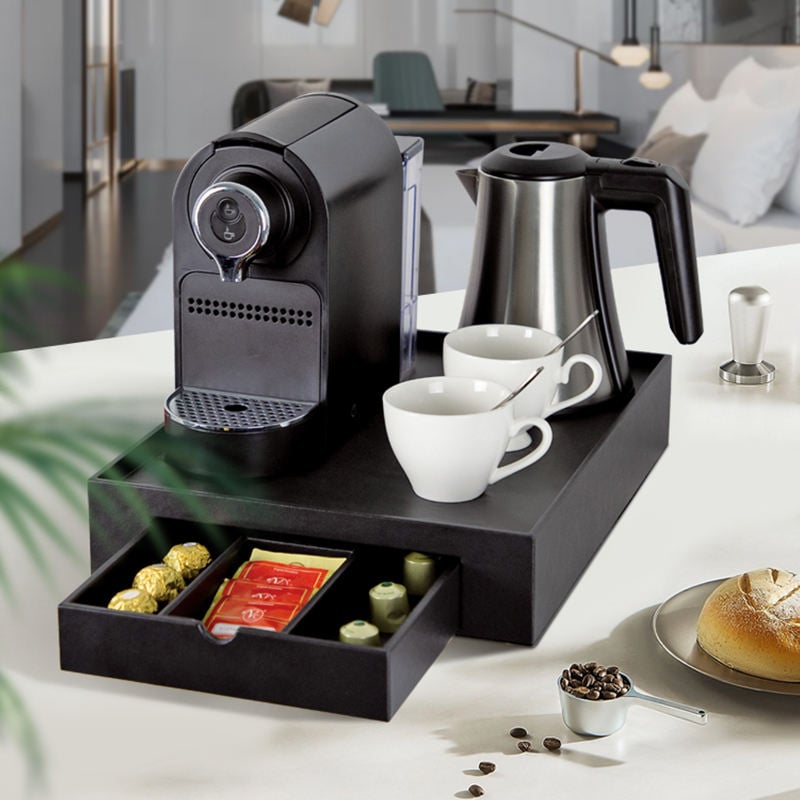
Pod-based brewing systems have transformed how hospitality venues and offices serve quality beverages, yet they introduce specific technical challenges that many operators overlook. Understanding pod compatibility risks in coffee machines is essential for purchasing teams, facility managers, and hotel operators who depend on reliable daily performance. The wrong pod or incompatible brewing chamber can result in catastrophic leaks, damaged internal components, and unexpected downtime that disrupts guest experience and operational workflow.
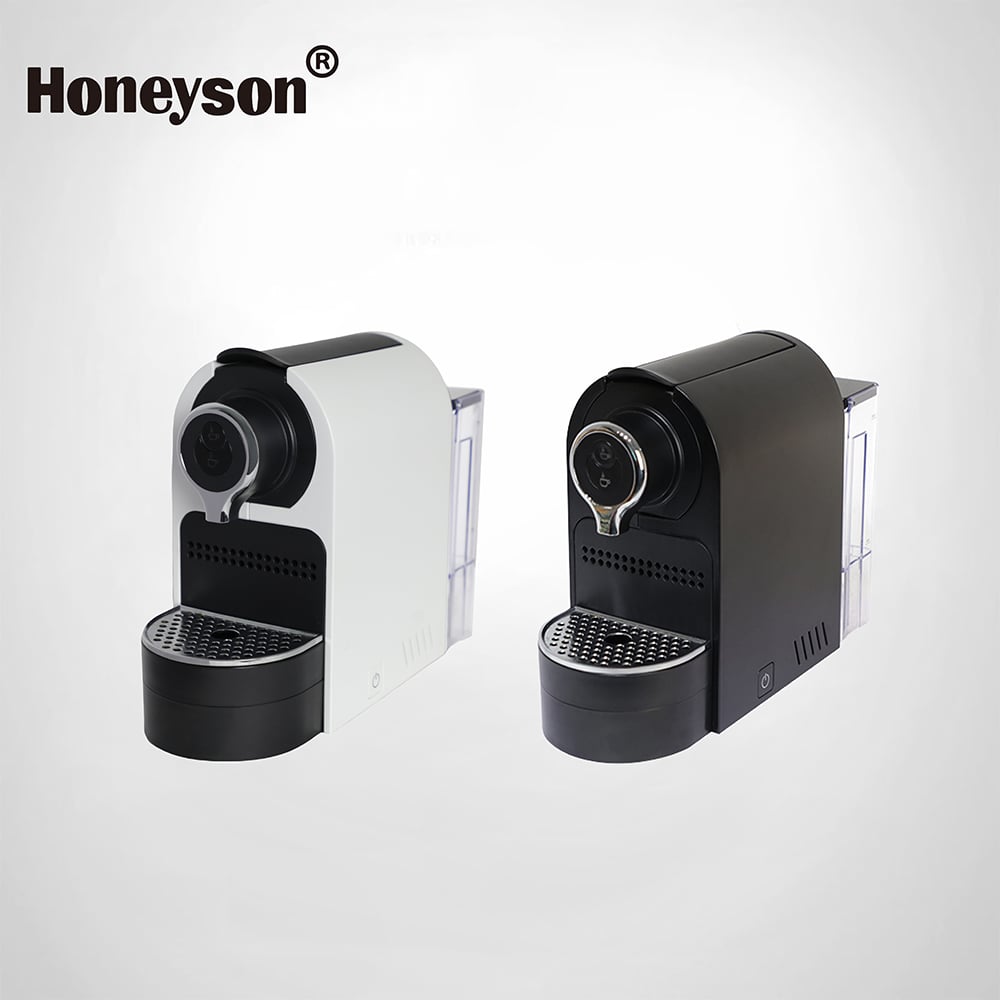
OEM design principles exist specifically to prevent these failures by engineering precise tolerance specifications, chamber geometry, and pressure containment systems that work harmoniously with approved pod specifications. When a coffee machine is engineered as an integrated system rather than assembled from generic components, every element—from the puncture needle alignment to the seal chamber depth—is calibrated to work safely with specific pod designs. This article explores the technical vulnerabilities that emerge when pods and machines are mismatched, how OEM manufacturers prevent these problems, and what facility managers should evaluate when selecting a hotel coffee maker or drip coffee maker for mission-critical environments.
Common Pod Compatibility Failure Modes
Seal Leakage and Pressure Breach
Pod compatibility failures most frequently manifest as water leakage during the brewing cycle. When a pod's outer sealing ring diameter does not match the chamber's sealing surface precisely, water escapes around the pod edges instead of flowing through the coffee grounds. This occurs because generic coffee machine frames often use standardized chamber dimensions that do not account for the slight variations between third-party pod manufacturers and the original equipment specifications. A hotel coffee maker must maintain chamber sealing integrity across hundreds of brewing cycles per day, which demands tolerance control that third-party pods rarely match.
OEM coffee machine design prevents this failure by specifying exact pod dimensions in advance and engineering the chamber seal surface with micro-precision molding. The seal surface radius, the contact lip geometry, and the compression force of the holder all work in concert to contain pressure. When an OEM drip coffee maker or capsule system is engineered this way, every brewing cycle applies consistent, controlled force that neither deforms the pod nor allows bypass flow.
Puncture Needle Misalignment and Internal Damage
Inside each pod sits a needle that punctures the pod's foil top to allow water to flow through the grounds. If a pod is slightly larger or smaller than the design specification, the needle strikes at an incorrect angle, potentially cracking the pod housing or creating ragged punctures that allow grounds to escape into the brewed coffee. Over repeated use, misaligned punctures can dull or bend the needle itself, reducing its ability to create clean perforations in subsequent brews. This damage is particularly problematic in high-volume hospitality settings where consistency and presentation matter.
OEM coffee machine manufacturers design the needle holder assembly and pod insertion chamber as a single coordinated system. The needle angle, depth, and insertion guidance all align to ensure a perpendicular, clean puncture every time. Because an OEM coffee machine is tested extensively with its specified pods before release, field failures from misalignment are rare.
How OEM Design Prevents Pod Compatibility Risks
Integrated Chamber Specification and Pod Certification
OEM coffee machine design starts with pod specification, not the reverse. Manufacturers define the exact dimensions, materials, and structural properties of the pod system, then engineer the machine's brewing chamber to interact safely and reliably with that specification. This integrated approach means the hotel coffee maker or drip coffee maker undergoes rigorous compatibility testing before any unit ships. Testing includes pressure cycling, thermal stress, and extended durability runs that verify pod fit, seal integrity, and needle alignment across thousands of brews.
Once a pod specification is certified for a particular OEM coffee machine model, that certification is maintained through supply chain controls. Authorized pod manufacturers produce pods to exact standards, and the OEM coffee machine's design never changes in ways that would invalidate that certification. This is why purchasing teams should prefer machines where pod supply is controlled by the machine manufacturer rather than left open to any third-party producer.
Precision Manufacturing and Tolerance Control
OEM coffee machine manufacturing relies on tight tolerance control in all critical dimensions. The chamber walls are molded or machined to hold tolerances measured in fractions of a millimeter. The seal surfaces are finished to specific surface roughness specifications. The needle assembly is held perpendicular to the brewing axis within strict angle tolerances.
This precision extends to pressure relief and over-pressure protection. OEM coffee machine design includes pressure sensors, release valves, and mechanical stops that prevent excessive force from being applied to pods that do not meet specification. If a non-certified pod is inserted, the system either rejects it or limits pressure to safe levels, protecting both the pod and the machine's internal components.
Material Compatibility and Chemical Resistance
Coffee, water, and thermal cycling expose pod and chamber materials to repeated stress and chemical exposure. OEM coffee machine manufacturers select pod materials—typically food-grade plastics or aluminum composites—based on extended compatibility testing with their specific brewing process, water temperature ranges, and cleaning protocols. Third-party pods may use materials that are technically food-safe but not validated for the temperature cycling or pressure profiles of a particular machine.
OEM coffee machine design specifies material pairings that withstand the intended use environment for the machine's entire service life. A hotel coffee maker designed for 500 brews per day operates within material fatigue budgets that accommodate that volume, while a pod made for lighter use may fail prematurely under the same conditions. By certifying pods alongside the machine, OEM manufacturers ensure material compatibility over the actual service life, not just in laboratory conditions.
Evaluating OEM Coffee Machines for Your Facility
Certification and Pod Supply Chain Control
When selecting a new coffee machine for your hotel, office, or hospitality venue, verify that the manufacturer controls pod supply and certification. Ask whether pods are manufactured by the OEM or by licensed third parties under strict quality agreements. Request documentation showing compatibility testing results and pod dimension specifications. A reputable hotel coffee maker manufacturer will provide this information readily, as it demonstrates confidence in the product's reliability. If a drip coffee maker vendor cannot explain how they ensure pod compatibility or resists third-party pod compatibility claims without evidence, that is a red flag.
Pressure Containment and Safety Features
Inspect the machine's pressure relief design and over-pressure protection mechanisms. A well-engineered OEM coffee machine includes mechanical stops that prevent a non-compliant pod from being fully inserted, or it includes pressure sensors that automatically limit brewing force if a pod does not conform to specification. Ask the manufacturer whether their coffee machine can safely operate with non-certified pods or if incompatible pods trigger an error state. This design choice reflects either confidence in their compatibility control system or caution about liability.
Maintenance and Long-Term Reliability
Request maintenance protocols and ask about typical component lifespan for the needle assembly, seals, and pressure system under the expected volume of use. OEM coffee machine manufacturers who have optimized compatibility typically offer longer intervals between maintenance because less wear occurs on internal components. A drip coffee maker with lower compatibility failure rates will have predictable maintenance costs and fewer unexpected downtime events. Request references from other hospitality operators running the same model, and ask specifically about pod-related failures and whether service calls have been needed for leakage, grounds contamination, or needle damage.
FAQ
Can I use third-party pods in any OEM coffee machine?
No. Most OEM coffee machine models are engineered to work only with certified pods that match their specifications precisely. While some machines may technically accept pods from other manufacturers, doing so voids warranties, creates compatibility risks, and often results in leakage or internal damage. Always confirm pod compatibility with the machine manufacturer before purchasing alternative pods, and preferably stay within the certified supply chain to ensure consistent quality and safety.
What happens if an incompatible pod is used in a coffee machine?
Incompatible pods can cause several failure modes in a coffee machine: the seal may not fit properly, leading to water leakage around the pod edges; the puncture needle may misalign, cracking the pod or creating ragged perforations that allow grounds into the brew; pressure may exceed safe limits and trigger relief mechanisms or damage internal seals; or the pod may simply not insert fully, requiring forced insertion that damages both the pod and the machine. In high-volume hotel coffee maker environments, these failures compound quickly, reducing uptime and guest satisfaction.
How does OEM design ensure coffee machine reliability with pod compatibility?
OEM coffee machine manufacturers design the machine and pod as an integrated system, testing them together extensively before release. They specify exact pod dimensions, materials, and structural properties, then engineer the brewing chamber, seals, needle, and pressure control to work harmoniously with those specifications. Tight manufacturing tolerances ensure consistency across all units, and pressure relief systems protect against incompatible pods.
