
 EN

Hotel room amenities have evolved significantly over the past decade, and one element that increasingly defines guest satisfaction is the availability of convenient beverage options directly in the sleeping area. A compact coffee machine has become an essential fixture in modern hotel design, transforming how guests start their mornings and experience comfort during their stay. However, integrating a coffee machine into hotel room desks requires careful planning, spatial awareness, and understanding of both functional and aesthetic considerations. This article explores the critical factors involved in planning the footprint of a compact coffee machine for hotel room desks, ensuring you maximize utility without compromising the guest experience or room layout.
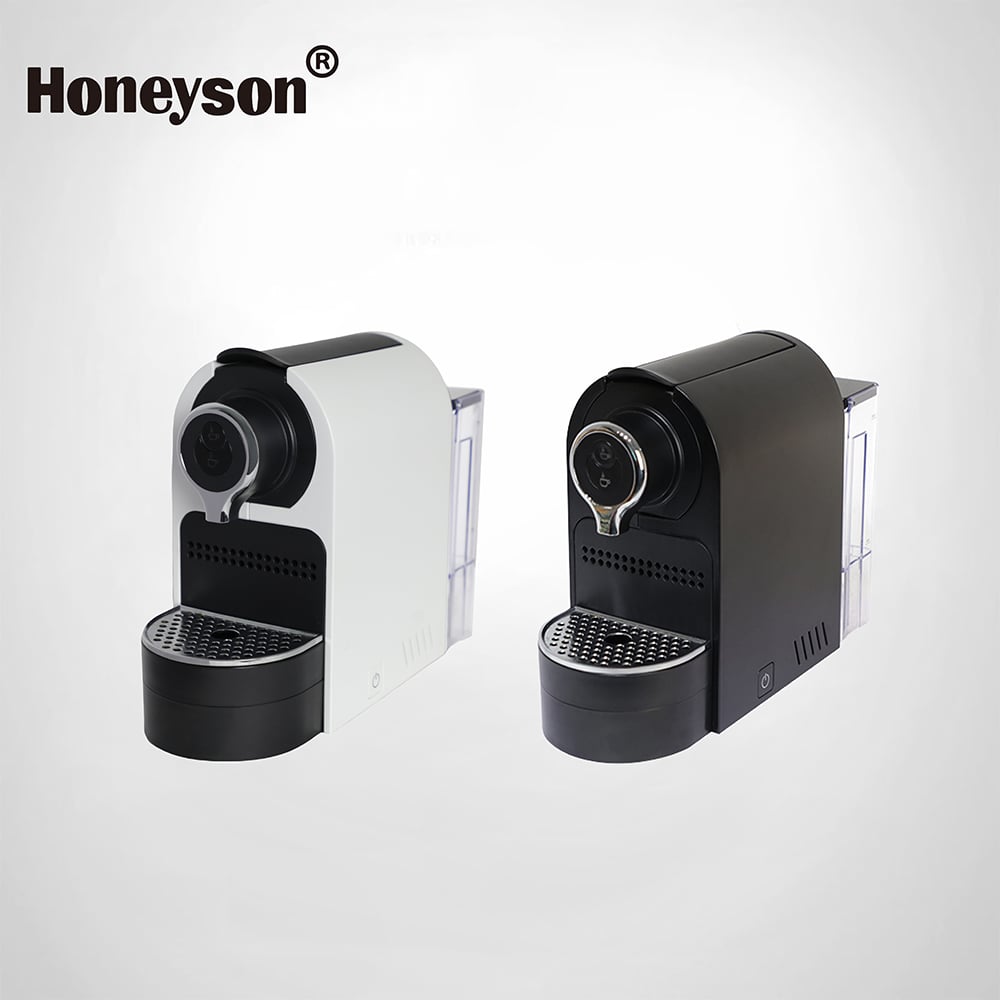
Planning the placement of a hotel coffee maker on a desk surface demands attention to dimensions, electrical access, water supply logistics, and workflow efficiency. Whether you're designing a boutique hotel, business travel accommodation, or upscale resort, the choice of an OEM coffee machine tailored to compact environments can significantly influence room aesthetics and operational efficiency. Understanding these planning principles ensures your hotel coffee maker installation enhances rather than detracts from the guest experience.
Understanding Space Requirements for Compact Coffee Machine Installation
Measuring Desktop Real Estate Effectively
The foundation of successful coffee machine placement begins with accurate measurement of your available desk surface. Most hotel room desks range from 48 to 60 inches in width, with varying depths between 18 and 24 inches. A compact coffee machine typically occupies between 8 to 12 inches of width and 12 to 18 inches of depth, depending on the model. Before selecting any OEM coffee machine, physically map out the desk layout, accounting for space needed for guest work activities, a computer monitor, lamp, telephone, and notepads. Reserve the coffee machine footprint in a corner zone or rear section to avoid obstructing the primary workspace, while ensuring easy guest access and reasonable counter sightlines.
Accounting for Clearance and Safety Zones
Beyond the base footprint of the coffee machine itself, allocate additional clearance space for safe operation and maintenance. Most hotel coffee makers require at least 4 to 6 inches of clearance above the unit for steam escape and 2 to 3 inches on each side to prevent heat transfer to adjacent surfaces or decor items. If your hotel coffee maker includes a water reservoir or drip coffee maker function, ensure 6 to 8 inches of vertical headroom for safe filling and cleaning. This clearance prevents burn hazards, allows air circulation, and reduces the risk of damage to nearby items. Additionally, maintain a 12-inch buffer between the machine and curtains or flammable materials, following fire safety codes. Proper spacing also facilitates staff cleaning and maintenance routines without requiring complete desk reorganization.
Electrical and Water Supply Logistics for Hotel Coffee Maker Placement
Power Outlet Positioning and Cable Management
Most compact hotel coffee maker units require dedicated 120V electrical outlets with adequate amperage rating. Standard drip coffee maker models consume between 800 to 1500 watts, necessitating a properly grounded outlet capable of handling this load. During desk planning, identify electrical outlets on the wall behind or adjacent to the desk surface, ensuring the power cord reaches without tension or unnecessary routing across guest work areas. Modern hotel room design increasingly incorporates USB and power ports integrated into desk surfaces themselves; however, for a coffee machine, a wall-mounted outlet remains the safest and most reliable option. Avoid running cables under carpets or across high-traffic zones where guests might trip. If existing outlet positions don't align with your preferred coffee machine placement, work with electricians to install new outlets during renovation or construction phases rather than relying on extension cords, which create safety and aesthetic concerns.
Water Supply and Drainage Considerations
The OEM coffee machine selection process must account for water requirements and drainage logistics. Table-top models typically use self-contained water reservoirs that guests refill manually from the bathroom, eliminating the need for direct plumbing connections. This approach offers flexibility in desk placement since the hotel coffee maker doesn't require proximity to water lines. However, if you're considering a built-in OEM coffee machine model with direct water supply connections, desk placement becomes constrained by plumbing accessibility. Some upscale hotels route water and drain lines through desk pedestals or wall cavities to accommodate a fully integrated coffee machine without visible tubing. Evaluate whether manual reservoir filling aligns with your hotel service standards and guest expectations. For properties pursuing full-service automation, partnering with a professional to plan plumbing routes during construction ensures the coffee machine integrates seamlessly without compromising desk functionality.
Optimizing Desk Workflow and Aesthetic Integration
Balancing Guest Functionality with Visual Harmony
Strategic coffee machine placement preserves the desk's primary purpose as a work and grooming surface while offering easy guest access to beverage amenities. Position the drip coffee maker or compact OEM model toward the rear corner of the desk, creating a service zone that doesn't interfere with laptop usage, note-taking, or daily grooming tasks typically conducted in front of mirrors or beside work surfaces. This zoning prevents steam, heat, or accidental spills from damaging electronics or important items. Color coordination between the hotel coffee maker and desk finish enhances visual appeal; many OEM coffee machine manufacturers offer finishes matching contemporary hospitality design palettes, from stainless steel to matte black or white. Consider the desk's material—glass surfaces may show condensation or mineral deposits more visibly than wood or laminate, potentially impacting guest perception of cleanliness. Selecting a coffee machine with a matching aesthetic and positioning it thoughtfully creates an integrated feature rather than an afterthought accessory.
Maintenance Access and Cleaning Protocols
Practical desk planning must include staff access for regular maintenance of the hotel coffee maker. Housekeeping teams need sufficient clearance to refill water reservoirs, empty drip trays, clean brewing components, and descale the coffee machine according to manufacturer schedules. A coffee maker positioned flush against a wall or corner with minimal clearance creates operational challenges and reduces cleanliness standards. Plan the hotel coffee maker footprint to allow staff to approach from at least one side without moving other desk items. Ensure adequate lighting in the placement zone—some desks have limited illumination in corner areas where machinery sits. Install the coffee machine where natural or supplementary desk lighting reaches the unit, enabling staff to inspect cleanliness and identify maintenance needs. Document the specific placement configuration and maintenance schedule in hotel operations manuals so all team members understand proper care routines, prolonging the OEM coffee machine lifespan and maintaining guest satisfaction.
FAQ
What is the ideal desk depth for accommodating a compact coffee machine?
Hotel room desks should ideally measure at least 20 to 24 inches in depth to safely accommodate a compact coffee machine while preserving functional work space. A coffee machine typically requires 12 to 18 inches of depth, leaving 6 to 12 inches for guest activities. Desks shallower than 18 inches create challenges; positioning the machine toward the rear edge may obstruct guest access or create an unstable appearance. If your hotel features particularly shallow desks, consider wall-mounted coffee machine alternatives or repositioning other desk elements to prioritize the beverage amenity.
Can a hotel coffee maker operate safely on a glass or tempered glass desk surface?
Yes, a compact coffee machine can operate safely on tempered glass desks provided proper thermal protection measures are implemented. Place a heat-resistant mat or underlayment between the coffee machine base and the glass surface to prevent thermal stress and potential cracking from direct heat transfer. The drip coffee maker or OEM model should sit securely on this protective base without wobbling. Glass surfaces require more frequent cleaning due to visible condensation and mineral deposits, so factor additional housekeeping time into operational planning when selecting a glass desk configuration for rooms featuring a coffee machine.
What electrical specifications should I verify before installing a hotel coffee maker?
Before installing any OEM coffee machine, confirm that the desk's electrical outlet is properly grounded, rated for 120V power, and capable of handling the unit's wattage (typically 800 to 1500 watts for a drip coffee maker). A standard 15-amp circuit should suffice for most compact models, but verify your electrical system's capacity. Never daisy-chain a coffee machine through extension cords or power strips shared with other high-draw devices like hair dryers. Consult your hotel's electrical specifications and engage a licensed electrician if existing outlets don't meet the OEM coffee machine's requirements, ensuring both guest safety and code compliance.
