
 EN

Auto shut-off validation is a critical safety feature in modern hotel room coffee machines, ensuring guest protection and regulatory compliance. When a coffee machine operates in guest rooms or common areas, the ability to automatically power down after a set period prevents fire hazards, reduces energy consumption, and eliminates liability concerns. The hotel coffee maker must meet stringent testing standards before it can be deployed across thousands of rooms in hospitality environments.
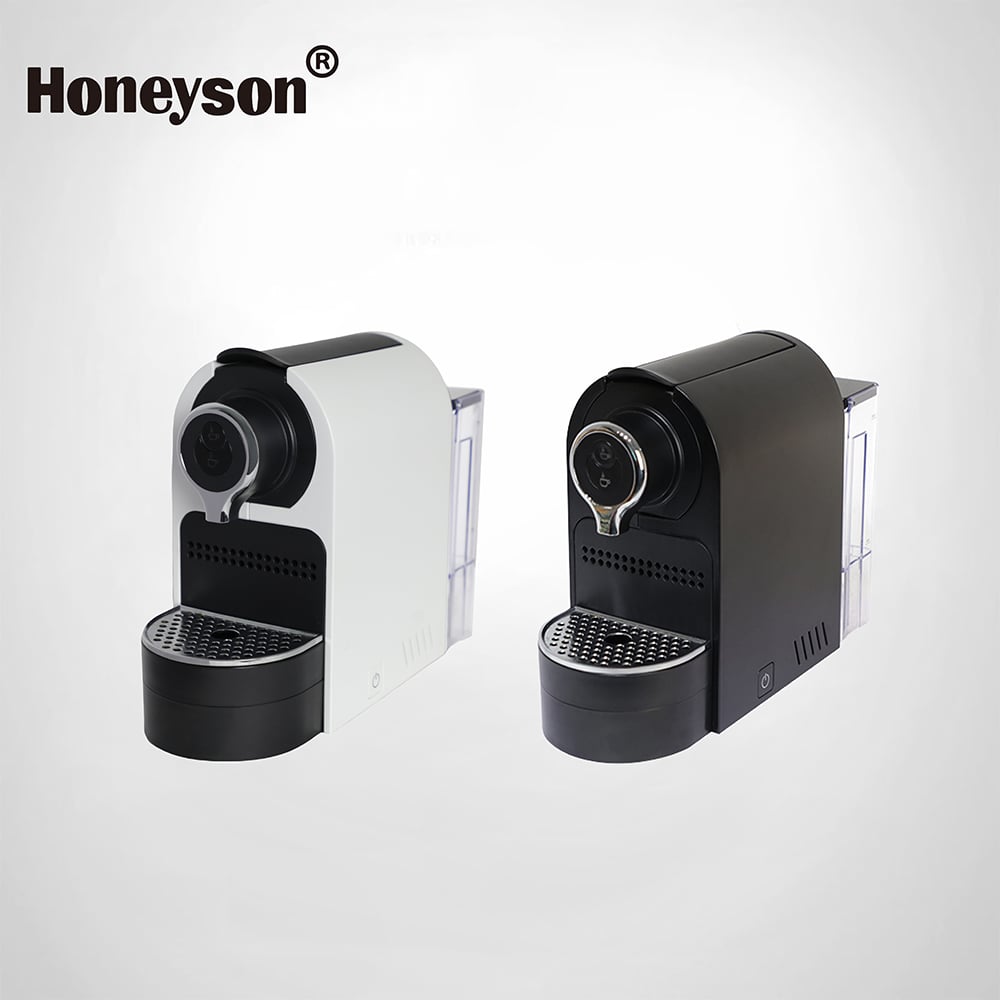
The validation process for auto shut-off functionality represents a comprehensive engineering discipline that combines electrical safety, thermal monitoring, mechanical reliability, and compliance verification. OEM coffee machine manufacturers invest heavily in developing robust testing frameworks that confirm the drip coffee maker will perform safely under real-world hotel conditions. This article explores how these validation protocols work, what standards guide them, and why they matter for hotel operations and guest safety.
Understanding Auto Shut-Off Validation Standards
Regulatory Compliance Framework
Hotel coffee maker safety validation begins with understanding the applicable regulatory standards that govern small appliances in hospitality settings. In North America, the Underwriters Laboratory (UL) standard UL 1082 specifically addresses the safety requirements for electrical coffeemakers. This standard mandates that an OEM coffee machine must include automatic shut-off mechanisms that activate within defined time parameters after brewing completes or after the device remains idle. European markets follow the IEC 60335-2-14 standard, which establishes similar safety requirements for coffee machines and other heating appliances used in commercial hospitality environments.
Testing Protocol Requirements
Validation testing for a drip coffee maker involves multiple sequential tests performed under controlled laboratory conditions. First, engineers conduct thermal endurance testing, where the coffee machine operates continuously for extended periods to verify that the heating element, thermostat, and shut-off sensor function correctly without degradation. Temperature monitoring equipment records precise readings throughout the test cycle, confirming that the drip coffee maker reaches the correct brewing temperature and that the auto shut-off circuit triggers at the specified setpoint. This data creates a baseline for comparing field performance against engineering specifications.
Thermal Sensor Calibration and Verification
Precision Measurement in Temperature Control
The thermal sensor represents the core component responsible for detecting when brewing is complete and triggering the hotel coffee maker shut-off sequence. During validation, manufacturers calibrate temperature sensors using precision reference standards traceable to international measurement bodies. The OEM coffee machine undergoes calibration at multiple temperature points across the operational range to ensure linear accuracy. For a typical drip coffee maker, sensors must maintain accuracy within plus or minus 2 degrees Celsius, allowing the device to recognize brewing completion reliably even when ambient room temperature varies between 15 and 35 degrees Celsius.
Sensor Response Time Documentation
Beyond static calibration, validation testing measures the dynamic response time of the thermal sensor when conditions change rapidly. Engineers deliberately subject the coffee machine to temperature ramps that simulate real brewing cycles, measuring how quickly the sensor detects these changes and communicates the signal to the control circuit. For hotel coffee maker safety, response time typically must not exceed 5 seconds from the moment the temperature reaches the target value until the shut-off relay engages. This requirement ensures that the hotel coffee maker cannot remain on long enough to present a burn hazard or fire risk if a guest accidentally leaves it unattended after brewing.
Mechanical Relay and Circuit Testing
Electrical Switch Reliability Assessment
The mechanical relay that actually cuts power to the drip coffee maker heating element undergoes extensive fatigue testing to confirm reliability over the device's intended service life. A typical OEM coffee machine relay must reliably engage and disengage tens of thousands of times without welding, sticking, or losing electrical continuity. Validation testing includes both hot and cold switching cycles, where the relay operates under full electrical load immediately after brewing and also after the coffee machine cools to room temperature. This dual-condition testing ensures the hotel coffee maker shuts off safely whether the relay activates when the element is hot and under thermal stress or when the appliance is cold.
Circuit Isolation and Safety Verification
After the auto shut-off relay engages, validation testing confirms that electrical current to the coffee machine heating element is completely interrupted and cannot leak through alternative pathways. Insulation resistance testing applies high voltage to verify that no current can arc across component gaps or degrade through moisture or contamination. For a hotel coffee maker operating in humid guest bathroom environments, this testing becomes particularly critical, as moisture can compromise electrical isolation. The drip coffee maker must maintain minimum insulation resistance values typically exceeding 2 megohms even after exposure to moisture, temperature cycling, and normal aging effects simulated in accelerated life testing.
Real-World Deployment and Continuous Validation
Field Performance Monitoring
Once a coffee machine passes laboratory validation testing, deployment into hotel rooms initiates ongoing field performance monitoring that feeds back into design improvements and batch quality verification. Hotels equipped with networked OEM coffee machine models can report usage patterns, error codes, and shut-off cycle completions to the manufacturer, creating a data repository that confirms real-world performance matches laboratory predictions. The hotel coffee maker fleet provides millions of operating hours annually, revealing edge cases and degradation modes that laboratory testing, though rigorous, cannot anticipate. Manufacturers analyze this field data quarterly to identify any drift in thermal sensor accuracy, relay performance changes, or unexpected shut-off behavior patterns.
Corrective Action Procedures
Should field monitoring reveal that a specific batch of hotel coffee maker units exhibits anomalous shut-off behavior, manufacturers activate documented corrective action procedures that may include component replacement, firmware updates, or extended testing of remaining inventory. For a drip coffee maker model deployed across thousands of hotel rooms, even a 0.1 percent failure rate in auto shut-off function represents a significant safety concern. Validation documentation enables manufacturers to trace affected units, determine root causes, and implement design or process changes that restore performance to specification. This closed-loop approach to coffee machine validation ensures that real-world data continuously improves the safety and reliability of future OEM coffee machine generations.
FAQ
What specific temperature range triggers auto shut-off in a typical hotel coffee maker?
Most drip coffee maker models implement auto shut-off when the heating element temperature drops below the optimal brewing range, typically between 85 and 100 degrees Celsius depending on the specific OEM coffee machine design. The coffee machine uses a thermal sensor to detect this temperature decline, which indicates that water has finished draining through the grounds and brewing is complete. Once the temperature falls below the setpoint, the shut-off relay energizes and disconnects power to the heating element within 2 to 5 seconds, preventing continued heating of the empty brewing chamber.
How often should hotel coffee maker auto shut-off validation testing be repeated?
Validation testing for auto shut-off functionality on a coffee machine must be conducted whenever the manufacturer changes the thermal sensor component, relay design, control circuit firmware, or heating element specifications. Additionally, manufacturers typically repeat full validation testing annually or whenever production volume exceeds predefined thresholds, ensuring that new manufacturing batches maintain the same quality and safety performance. For OEM coffee machine suppliers serving large hotel chains, some buyers contractually require validation test results for every manufacturing run, creating continuous validation cycles rather than periodic spot-check approaches.
Can a drip coffee maker auto shut-off feature be retrofitted to older hotel room coffee machines?
Retrofitting auto shut-off capability to legacy coffee machine models is technically possible but often impractical due to cost, compatibility challenges, and validation complexity. An OEM coffee machine originally designed without thermal sensing would require circuit modifications, sensor installation, and relay integration that may exceed the cost of purchasing new validated units. Moreover, retrofitted hotel coffee maker systems would require new validation testing to confirm safety and reliability, making the business case unfavorable compared to replacement deployment of modern drip coffee maker models that include validated auto shut-off features from the factory.
