
 EN
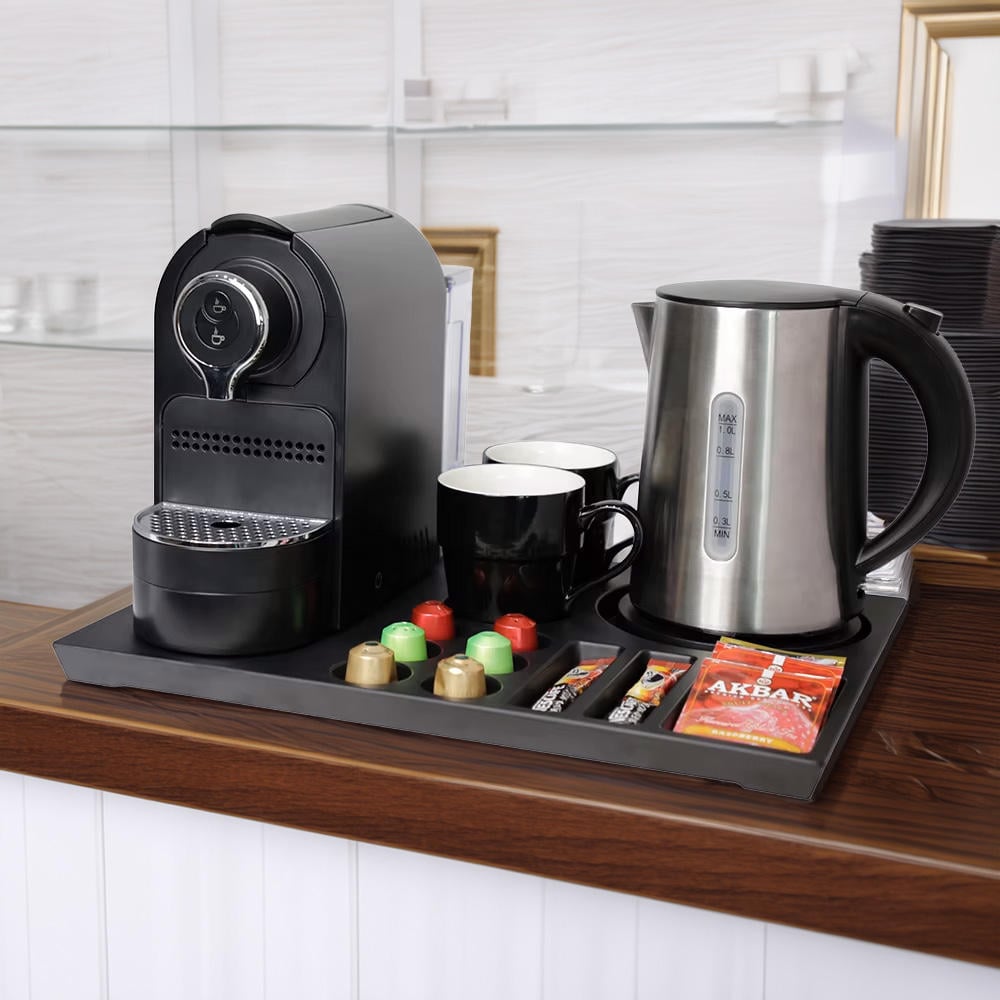
Noise pollution from beverages stations has become a genuine concern in hospitality and office environments where tranquility is essential. A coffee machine that operates quietly transforms the guest experience and employee satisfaction in noise-sensitive locations. Understanding the engineering principles behind quiet operation helps facility managers and hospitality leaders select equipment that balances functionality with acoustic comfort.
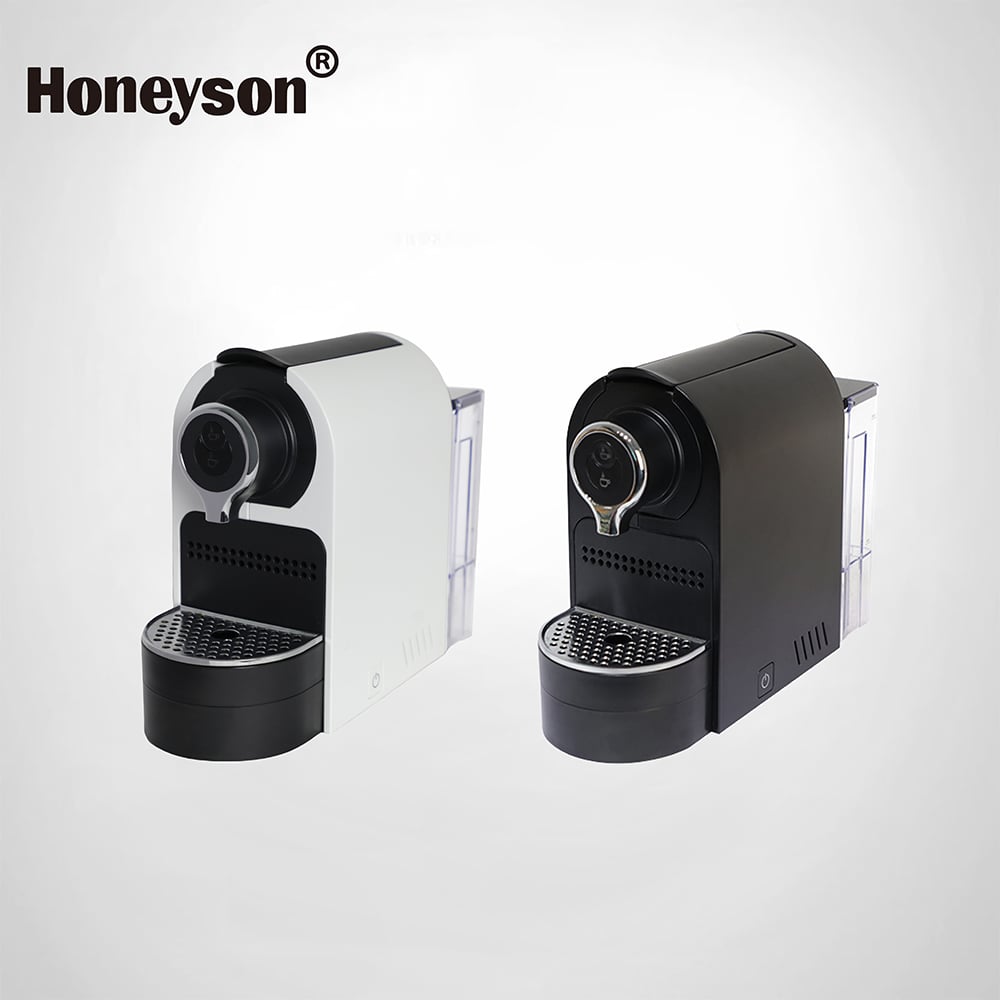
The relationship between coffee machine design and noise generation involves multiple mechanical and hydraulic components working in concert. Whether selecting a hotel coffee maker for a luxury property or an OEM coffee machine for bulk installation, noise control has shifted from a luxury feature to a baseline expectation. Modern drip coffee maker engineering demonstrates how thoughtful design reduces operational noise while maintaining brewing quality and consistency.
Understanding Coffee Machine Noise Sources
Mechanical Vibration and Pump Operation
The pump mechanism in any coffee machine generates the most audible noise during operation. High-pressure pumps force water through coffee grounds, and without proper isolation, this vibration transmits directly into the machine frame and surrounding surfaces. A hotel coffee maker designed with vibration-dampening materials significantly reduces transmitted noise to countertops and nearby surfaces. The pump itself requires careful engineering to balance pressure delivery with acoustic performance.
OEM coffee machine manufacturers have invested heavily in pump isolation technology, using elastomer mounts and internal baffles to contain vibration energy. Drip coffee maker systems, while generally quieter than espresso machines, still produce audible noise during water heating and dispensing cycles. The quality of pump damping directly correlates with the overall acoustic profile during peak operation.
Water Flow and Heating System Noise
Water flowing through pipes and heating elements produces both turbulent noise and thermal expansion sounds. A coffee machine with poorly designed water pathways creates gurgling and rushing sounds that echo through the device. Hotels installing a hotel coffee maker in guest rooms or break areas must prioritize quiet heating systems that minimize water cascade noise. The heating element also generates subtle clicking and popping as temperature stabilizes.
Thermal stress in metal components of an OEM coffee machine can amplify noise through the brewing cycle. Engineers addressing this challenge integrate thermal insulation and strategic material selection to reduce expansion noise. Drip coffee maker heating systems benefit from slow thermal rise cycles that distribute stress over time rather than creating sudden acoustic events.
Design Strategies for Noise Reduction
Insulation and Enclosure Materials
Acoustic insulation wrapping interior coffee machine cavities absorbs vibration energy before it reaches the external casing. A hotel coffee maker equipped with multi-layer sound-dampening material can reduce peak noise by 5–12 decibels during brewing. Strategic placement of foam, rubber, or specialized acoustic composites around pump areas and heating chambers creates a quiet operational environment suitable for noise-sensitive spaces.
The external housing material also influences noise transmission. Premium OEM coffee machine designs use reinforced stainless steel enclosures that distribute vibration forces rather than amplify them. Drip coffee maker models with thicker-gauge materials and internal bracing perform significantly better acoustically than lightweight alternatives, particularly in compact hospitality settings where space constraints demand efficient sound management.
Vibration Isolation and Mounting
Elastomer feet and spring-based isolation systems decouple the coffee machine from the support surface, preventing vibration transmission to countertops and adjacent equipment. A hotel coffee maker mounted on isolation pads operates 3–8 decibels quieter than direct installation on hard surfaces. This design choice is particularly effective in guest rooms, meeting spaces, and quiet common areas where noise disturbance directly affects user experience.
OEM coffee machine manufacturers increasingly build isolation into the machine design rather than relying on aftermarket solutions. Internal damping systems protect sensitive components while reducing operational noise. Drip coffee maker performance improvements through mounting isolation represent one of the most cost-effective noise reduction strategies available to hospitality operators and office managers.
Component Selection and Manufacturing Precision
High-quality components with tight manufacturing tolerances reduce mechanical play and associated rattle noise in a coffee machine. A hotel coffee maker built with precision-engineered parts operates significantly quieter than machines with loose-fitting components. Premium OEM coffee machine products invest in component quality that ensures quiet operation throughout the machine lifecycle, even as parts experience normal wear.
Precision manufacturing reduces gaps and misalignments that amplify vibration and create noise during operation. Drip coffee maker reliability and acoustic performance correlate directly with manufacturing standards and quality control processes. Component selection also includes quieter alternative designs, such as brushless motors and electronically regulated pumps that eliminate the acoustic signatures of older mechanical designs.
Application Scenarios and Installation Considerations
Hospitality Environments
Hotels installing a hotel coffee maker in guest rooms face strict acoustic requirements, particularly in upscale properties where guest satisfaction depends on peaceful environments. Quiet coffee machines enable in-room beverage service without disturbing occupants or adjoining guests. A coffee machine designed for hospitality operates smoothly during morning peak demand and maintains quiet performance through extended daily cycles.
OEM coffee machine specifications for hospitality applications emphasize noise levels measured in real-world conditions. Drip coffee maker quiet operation supports hotel service quality standards while reducing maintenance interventions for noise complaints. Location selection within rooms and noise-isolation pads further optimize acoustic performance in hospitality deployment.
Office and Corporate Spaces
Corporate offices and professional workspaces increasingly specify coffee machines with noise control features to maintain focus and reduce workplace disruption. A coffee machine in shared break areas benefits from quiet operation that doesn't interrupt meetings or professional calls. Hotel coffee maker technology principles apply equally well in executive lounges and employee facilities where acoustic comfort supports productivity.
OEM coffee machine sourcing for corporate environments prioritizes reliability and quiet performance during high-volume usage cycles. Drip coffee maker simplicity combined with acoustic engineering delivers cost-effective solutions for office deployment. Quiet machines encourage usage while preventing the ambient noise complaints that often accompany beverage service in professional settings.
FAQ
What noise level should I expect from a modern quiet coffee machine?
Well-engineered coffee machines typically operate between 65–75 decibels during peak brewing cycles. High-quality models with noise control design may achieve 60–70 decibels, comparable to normal conversation levels. A hotel coffee maker or OEM coffee machine specifically designed for quiet operation minimizes noise while delivering consistent beverage quality.
Can existing drip coffee maker machines be retrofitted with noise reduction features?
Yes, isolation pads, vibration dampers, and sound-dampening enclosures can significantly reduce noise from existing coffee machines. Adding acoustic material around pump areas and installing vibration isolation feet on a drip coffee maker typically reduces noise by 3–7 decibels. However, replacement with a purpose-designed quiet coffee machine often proves more cost-effective than extensive retrofitting.
How does machine size affect noise levels in coffee makers?
Compact coffee machines generally operate quieter than large commercial units due to smaller component sizes and reduced vibration mass. A hotel coffee maker designed for guest rooms benefits from compact sizing that naturally supports acoustic performance. Larger OEM coffee machine or drip coffee maker systems typically require more sophisticated noise control engineering to achieve comparable acoustic comfort.
