
 EN
Hotel operators face a critical purchasing decision when selecting beverage equipment for guest rooms: whether to invest in plastic or stainless steel electric kettles. This choice extends far beyond initial procurement cost and directly impacts operational efficiency, guest satisfaction, maintenance expenses, and long-term profitability. Understanding the true lifecycle cost difference between these two material options is essential for making an informed investment that aligns with your hotel's budget constraints and quality standards.
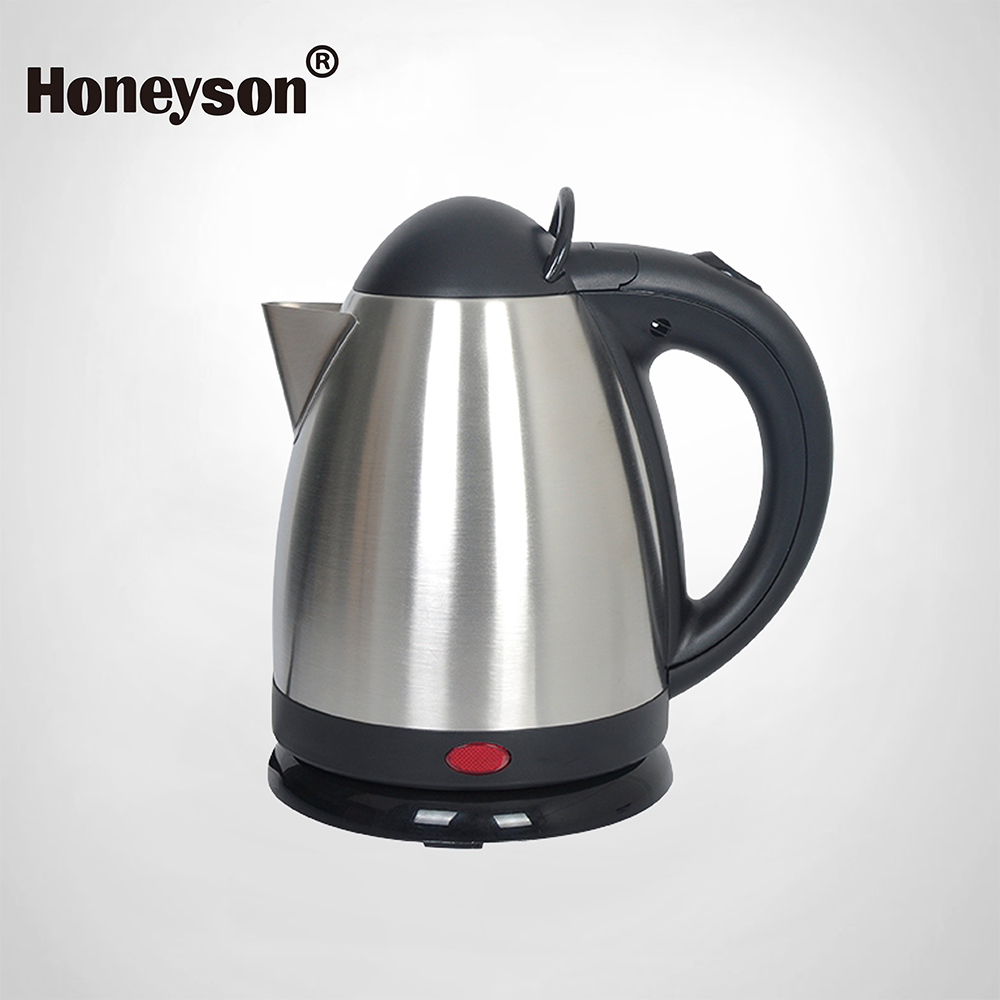
The decision between plastic and stainless steel materials represents a fundamental trade-off between short-term savings and long-term value. A hotel electric kettle serves as a daily-use appliance in guest accommodations, making durability and reliability non-negotiable factors. By examining both purchase price, replacement frequency, maintenance needs, and brand reputation across multiple seasons of operation, hotel managers can calculate the true cost of ownership for each material type and make data-driven decisions that protect their capital investment.
Material Durability and Replacement Cycles
Plastic Electric Kettle Lifespan in Hotel Environments
Plastic electric kettles typically exhibit shorter operational lifespans when deployed across hotel guest rooms. The material degrades under repeated heating cycles, exposure to mineral-rich tap water, and thermal stress from daily use. Most plastic-bodied models demonstrate visible wear, discoloration, or functional decline within 18 to 24 months of regular hotel deployment, requiring frequent replacement and labor-intensive room inventory management. When a hotel electric kettle fails prematurely, staff must coordinate removal, disposal, and installation of replacement units, creating hidden operational costs that extend beyond equipment purchase price alone.
Stainless Steel Electric Kettle Durability
Stainless steel construction fundamentally resists thermal degradation, mineral deposit corrosion, and physical damage from routine handling. A quality stainless steel electric kettle maintains structural integrity and aesthetic appearance across multiple years of continuous deployment, with many units remaining functionally reliable for 4 to 7 years under typical hotel operating conditions. This extended lifespan significantly reduces replacement frequency and the associated labor costs of equipment swaps, inventory tracking, and disposal management across your hotel property.
Initial Purchase Price versus Total Ownership Cost
Upfront Investment Differential
Plastic electric kettles command an attractive initial purchase price, often 40 to 60 percent lower than comparable stainless steel models, making them appealing to budget-conscious hotel operators. This low entry cost frequently drives purchasing decisions, particularly in properties managing tight capital allocation or operating across large room inventories requiring bulk purchasing. However, this apparent savings disappears when calculated across the full equipment lifecycle and replacement cycles required over a five-year hotel operations period.
Lifecycle Cost Calculation
A comprehensive lifecycle cost analysis reveals the true economic advantage of stainless steel construction. Consider a 100-room hotel property: plastic models at $15 per unit require complete replacement every 2 years, generating five replacement cycles over a decade and costing $7,500 in equipment alone. By contrast, a stainless steel electric kettle at $35 per unit requires only one replacement cycle across the same period, costing $3,500 in equipment expenses. When factoring in labor costs for installation, removal, and inventory management—typically $50 to $100 per replacement event—the stainless steel option delivers substantially lower total ownership cost despite higher upfront investment.
Guest Experience and Property Standards
Visual Presentation and Brand Perception
Guest room amenities directly influence perceived property value and online reviews. A degraded, discolored plastic electric kettle communicates cost-cutting and poor maintenance standards, while a clean, professional stainless steel unit reinforces premium positioning. Hotels targeting upscale or extended-stay segments recognize that an OEM electric kettle with durable construction becomes a tangible asset supporting brand reputation and guest satisfaction scores that drive booking rates and revenue.
Performance Reliability and Auto Shut-off Features
Premium stainless steel electric kettles often integrate advanced safety features including auto shut-off technology that activates after reaching boiling temperature or after a defined idle period. This auto shut-off kettle design reduces energy consumption, enhances guest safety, and minimizes risk of accidental damage or injury—benefits that plastic models may lack or implement less reliably. Hotels deploying reliable equipment with integrated safety systems reduce liability exposure and create a more professional guest experience that justifies premium positioning and commands higher nightly rates.
Environmental and Regulatory Considerations
Waste Management and Sustainability Goals
Frequent replacement of plastic electric kettles generates substantial waste streams, creating disposal challenges and environmental impact conflicts with modern hotel sustainability commitments. Many hotel operators face pressure from guests, regulators, and corporate policies to minimize single-use items and equipment waste. Stainless steel electric kettles represent a more sustainable investment by dramatically reducing replacement frequency, supporting corporate environmental objectives, and reducing the financial burden of compliance with emerging waste reduction regulations.
Quality Standards and Sourcing Decisions
An OEM electric kettle manufactured to established quality standards ensures consistent performance across large hotel deployments. Premium suppliers implement rigorous testing protocols, material certification, and durability validation that guarantee extended service life and predictable replacement schedules. Hotels that prioritize reliable sourcing from certified OEM electric kettle manufacturers avoid surprises, reduce emergency replacement disruptions, and maintain consistent equipment quality across all guest rooms.
FAQ
How does an auto shut-off kettle reduce hotel operating costs?
An auto shut-off kettle minimizes energy waste by terminating heating once water reaches boiling temperature, significantly lowering utility consumption across high-volume hotel deployments. This safety-focused feature also reduces maintenance incidents, guest complaints about equipment performance, and the labor cost of responding to guest room service requests related to malfunctioning kettle equipment.
What replacement frequency should hotels expect from plastic electric kettles?
Plastic electric kettles typically require complete replacement every 18 to 24 months under standard hotel guest room usage patterns. This frequent replacement cycle generates three to four complete equipment changes per five-year period, creating cumulative costs that often exceed the initial price advantage of plastic construction when labor, disposal, and inventory management expenses are included in lifecycle calculations.
Why should a hotel choose an OEM electric kettle over consumer-grade models?
An OEM electric kettle meets rigorous commercial-grade durability standards, integrated safety features like auto shut-off technology, and consistent performance specifications designed for high-volume hotel deployment. These commercial-grade units withstand frequent use, harsh water conditions, and demanding guest room environments far more reliably than consumer-grade models, justifying premium pricing through extended service life and predictable maintenance requirements that simplify hotel operations.
