
 EN

Efficient carton optimization and pallet loading are critical operations in the electric kettle manufacturing and logistics industry. Whether you manufacture standard models or specialized hotel electric kettle units, the way you pack and arrange units directly impacts transportation costs, product safety, and warehouse efficiency. Proper carton design and pallet arrangement strategies reduce material waste, prevent damage during transit, and maximize storage space in distribution centers and retail environments.
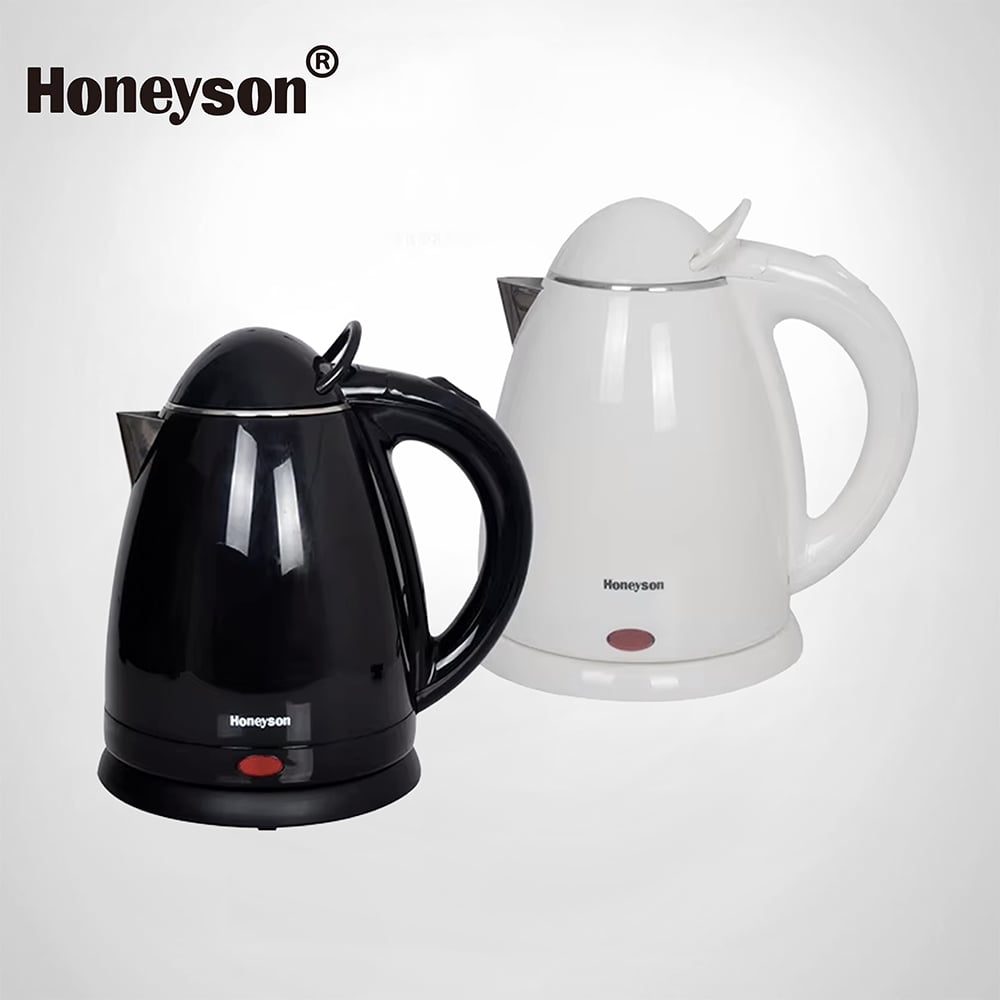
The logistics performance of an electric kettle operation depends heavily on how products move from factory to end customer. OEM electric kettle manufacturers face unique packing challenges, especially when dealing with fragile heating elements, power cords, and temperature-sensitive components. Understanding carton specifications, layer stability, and pallet weight distribution ensures that every shipment arrives intact while minimizing environmental impact and shipping expenses.
Understanding Carton Specifications for Electric Kettle Products
Material Selection and Durability Standards
Carton material directly affects how well an electric kettle survives the supply chain. Corrugated cardboard with a minimum 32 ECT (edge crush test) rating provides adequate protection for most hotel electric kettle models. The inner dimensions must accommodate the kettle body, power cord, instruction manual, and warranty card without excessive shifting during transport. Double-wall construction is recommended for heavier OEM electric kettle units exceeding 2 kilograms, as this reduces puncture risk and maintains structural integrity through multiple handling cycles.
Protective Padding and Interior Configuration
Interior cushioning determines whether an auto shut-off kettle reaches its destination undamaged. Molded pulp inserts, foam sleeves, and crinkle fill each serve specific functions. Molded pulp is cost-effective and biodegradable but works best for lighter models. Foam corner protectors prevent impact damage to the kettle spout and handle, critical areas where cracks compromise product functionality. For hotel electric kettle units destined for hospitality venues, consider printed inserts that display care instructions or brand messaging, adding value without increasing material thickness.
Pallet Loading Optimization Techniques
Layer Configuration and Weight Distribution
Pallet loading begins with understanding how many carton layers maximize space while maintaining structural safety. A standard 40 by 48 inch pallet can typically accommodate 4 to 6 layers of electric kettle cartons, depending on carton dimensions and pallet height restrictions imposed by storage facilities. Weight distribution matters significantly; concentrated mass in upper layers risks toppling. Distribute OEM electric kettle cartons evenly across each layer, and place heavier items toward the pallet base. This pyramid principle prevents collapse and allows handlers to safely move pallets without product damage.
Interlocking Patterns and Stability
Alternating carton orientation between layers dramatically improves pallet stability. If the bottom layer runs north-south, orient the second layer east-west. This interlocking pattern prevents lateral shifting during transport over rough roads or sharp turns. For auto shut-off kettle shipments containing moisture-sensitive components or corrosion-prone metal parts, implement plastic slip sheets between layers to manage humidity and prevent friction damage. Shrink wrap or strapping secures the entire pallet stack and keeps the hotel electric kettle cartons from toppling during loading, unloading, and vehicle transit.
Compliance, Tracking, and Performance Metrics
Documentation and Quality Control Standards
Every OEM electric kettle pallet requires documentation showing carton count, total weight, dimensions, destination address, and hazardous material declarations if applicable. Implement barcode scanning at the carton and pallet levels to track inventory in real time and reduce misshipments. Quality control inspections should verify carton sealing integrity, padding placement, and weight accuracy before pallet shrink-wrapping. Photographic records of completed pallets create accountability and provide evidence for damage claims. Many large retailers now require pallet configuration documentation from suppliers, making standardized procedures essential for maintaining business relationships.
Measuring Efficiency and Cost Reduction
Monitor key performance indicators such as carton cost per unit, pallet utilization rate, and damage incidence percentage. A hotel electric kettle manufacturer shipping 10,000 units monthly can reduce carton expense by 8 to 12 percent through design optimization and bulk material purchasing. Damage rates below 0.5 percent indicate excellent packing practices; rates above 2 percent signal design or handling problems requiring intervention. Calculate the cost savings from reduced damage, decreased material waste, and improved warehouse throughput to justify investments in better equipment, training, or carton design revisions.
FAQ
What carton thickness works best for an auto shut-off kettle?
A 32 ECT corrugated carton with double-wall construction is ideal for most auto shut-off kettle models. This specification provides adequate crush resistance during stacking while keeping material costs reasonable. Single-wall is acceptable for very lightweight electric kettle units under 1.5 kilograms, but double-wall is preferred for heavier OEM electric kettle products or shipments traveling long distances.
How many carton layers can safely stack on a standard pallet?
Most warehouse facilities safely handle 5 to 6 layers of electric kettle cartons on a 40 by 48 inch pallet, provided total weight stays below 1,000 kilograms and height remains under 60 inches. A hotel electric kettle carton typically weighs 2 to 3 kilograms per unit. Confirm height and weight limits with your distribution partner to avoid rejection at the receiving dock and ensure compliance with forklift weight ratings.
Should I use plastic slip sheets between OEM electric kettle pallet layers?
Plastic slip sheets prevent moisture absorption and reduce friction between layers, making them valuable for long-distance or climate-sensitive shipments. For short transit routes or controlled warehouse environments, slip sheets are optional. If your auto shut-off kettle cartons contain hygroscopic materials or electronic components susceptible to corrosion, slip sheets provide worthwhile protection. Evaluate your distribution network and storage conditions to decide whether the material cost justifies the added moisture and stability benefits.
