
 EN
The material composition of an electric kettle directly impacts both its performance and safety profile in commercial and residential settings. Today's manufacturers face increasingly stringent food contact compliance requirements that vary significantly across global markets. Understanding these standards is essential for selecting products that meet regulatory expectations while maintaining heating efficiency and durability.
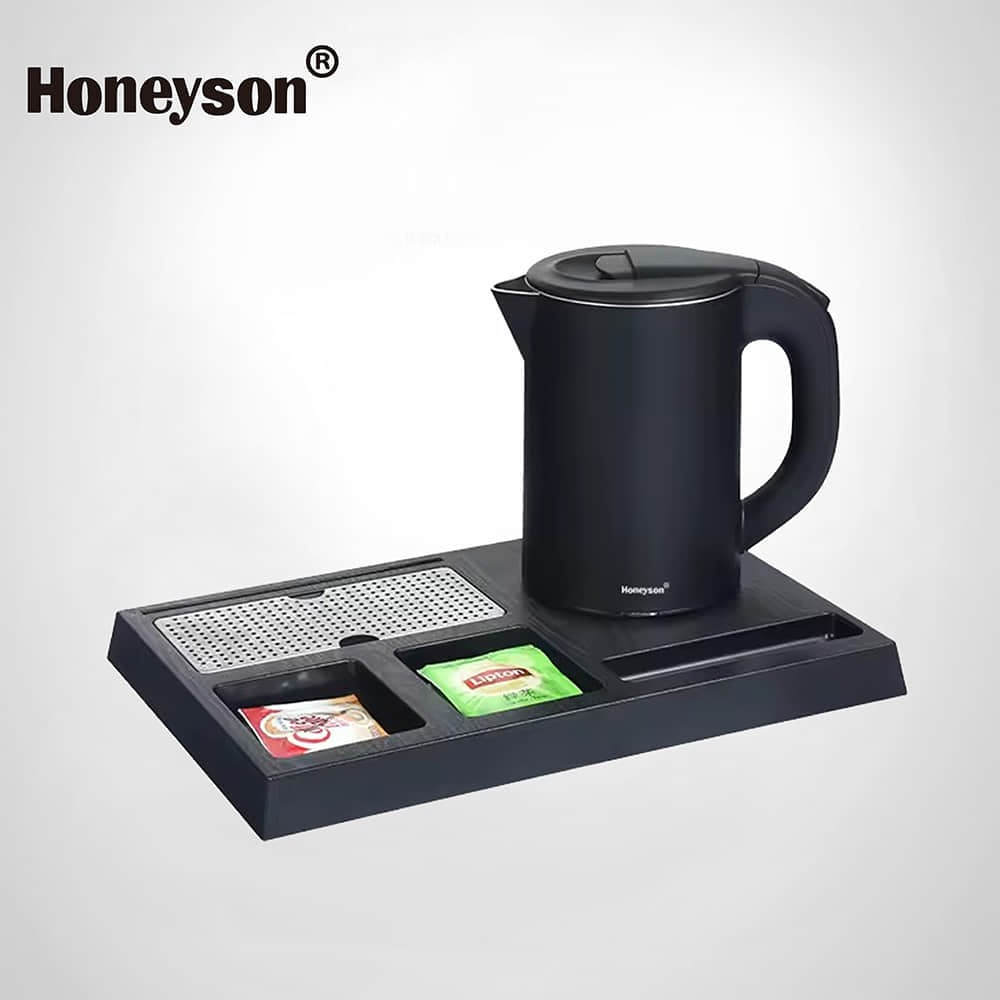
Hotel electric kettle models and OEM electric kettle specifications demonstrate how interior material selection influences compliance outcomes across EU, FDA, and other jurisdictions. Water-contact surfaces must withstand repeated heating cycles while remaining chemically inert. Material migration, leaching resistance, and thermal stability form the foundation of modern food contact regulations.
Interior Material Selection and Safety Standards
Stainless Steel Composition Requirements
Stainless steel remains the primary choice for electric kettle interior chambers because of its corrosion resistance and thermal conductivity. Food-grade specifications typically require Grade 304 or 316 stainless steel with chromium content between 16–18 percent and nickel content limited to 8–12 percent. These alloy compositions minimize ion leaching into boiling water and ensure the auto shut-off kettle mechanism functions without material degradation affecting sensor accuracy.
The hotel electric kettle sector demands materials that withstand frequent heating and cooling cycles without pitting or surface deterioration. Compliance verification includes nickel migration testing under both acidic and neutral pH conditions. European regulations establish migration limits of 0.07 milligrams per square decimeter for nickel, requiring manufacturers to select suppliers with certified material traceability and batch testing protocols.
Plastic Component Compliance Considerations
Many OEM electric kettle designs incorporate polypropylene or glass-filled nylon in non-water-contact areas including handles and outer casings. These materials must avoid direct contact with boiling water to prevent polymer degradation or chemical release. Manufacturers verify material safety through FDA Food Contact Substance (FCS) declarations and compliance with EU Regulation 10/2011 on plastic materials.
The auto shut-off kettle's internal components, including thermostatic sensors and heating element housings, often use engineered polymers rated for sustained temperatures up to 120 degrees Celsius. Material selection balances thermal performance against long-term chemical stability. Third-party testing confirms that no regulated substances migrate into water under normal operating conditions or stress scenarios.
Regulatory Compliance Framework Across Markets
European Union Food Contact Regulations
European manufacturers of the electric kettle category must comply with EU Regulation (EC) 1935/2004, which establishes general safety principles for all materials contacting food and beverages. Articles 3 and 4 require that materials not transfer substances in quantities that could endanger human health or unacceptably alter food characteristics. The hotel electric kettle sector specifically adheres to EU Regulation 10/2011 for plastic components and EN 12875-2 standards for mechanical durability.
Migration testing under EU methodology involves exposing materials to standardized food simulants at temperature and duration reflecting intended use. An electric kettle must pass tests using distilled water at 100 degrees Celsius for two hours, simulating typical boiling cycles. Manufacturers maintain documentation of positive lists, conformity certificates, and annual compliance audits to support market entry across EU member states.
United States FDA and CPSC Requirements
The US regulatory environment for the OEM electric kettle market combines FDA oversight of food contact substances with Consumer Product Safety Commission (CPSC) appliance standards. FDA regulations under 21 CFR Part 177 specify acceptable plastics and migration limits for articles intended to contact food. Small household appliances including the auto shut-off kettle must also comply with UL 1018 electrical safety standards and potential lead or cadmium content restrictions.
Manufacturers exporting electric kettle products to North America face dual compliance responsibility for demonstrating material safety through FDA Food Contact Substance declarations and passing leaching tests conducted by accredited laboratories. Lead and cadmium limits establish zero tolerance for these heavy metals in any water-contact surface. CPSC regulations require product-specific safety certifications and third-party testing for appliances marketed toward children or families.
Material Performance and Long-Term Durability Impact
Thermal Stress and Material Degradation
Repeated heating to boiling temperatures creates thermal cycling stress that challenges material integrity over extended product lifespans. The electric kettle's interior chamber experiences rapid temperature transitions from ambient to 100 degrees Celsius, then cooling before the next use cycle. Stainless steel maintains its crystalline structure through these cycles without embrittlement, but lower-grade alloys or improper heat treatment accelerate surface corrosion and scale buildup.
A hotel electric kettle operating under 24-hour guest usage patterns faces exponentially higher cycle counts than residential models, intensifying material stress. Certification protocols now include accelerated thermal cycling tests simulating years of use within weeks of laboratory evaluation. Manufacturers verify that material properties remain stable after 5,000 thermal cycles, ensuring that conductivity and mechanical strength do not degrade sufficiently to affect auto shut-off kettle functionality or water quality outcomes.
Scale Buildup and Chemical Interaction
Mineral content in source water interacts with interior materials through chemical and thermal mechanisms that vary by geographic market. Hard water areas produce calcium and magnesium scale deposits that adhere to stainless steel surfaces, requiring mechanical or chemical removal. The OEM electric kettle design must accommodate descaling procedures without allowing scale removal acids to compromise material integrity or activate fresh leaching.
Chloride ion concentration in treated water supplies influences localized corrosion risk for stainless steel components. Coastal regions and installations using softened water introduce chemical conditions that accelerate pitting despite material grade compliance. Manufacturers specify periodic descaling intervals and material compatibility with recommended descaling agents to maintain both compliance status and user safety across diverse water chemistries encountered in global markets.
FAQ
What interior materials do manufacturers use in food-contact electric kettle applications?
Manufacturers primarily use Grade 304 or 316 stainless steel for water-contact surfaces in both commercial and residential electric kettle designs. These alloys meet stringent nickel and chromium specifications required by EU and FDA regulations. Supporting components like handles and outer casings use food-grade polypropylene or glass-filled nylon that avoid direct water contact, ensuring compliance with material-specific regulations across target markets.
How do auto shut-off kettle safety mechanisms relate to material compliance?
The auto shut-off kettle's thermostatic sensor and electrical components must use materials rated for sustained exposure to 100-degree Celsius water vapor and thermal cycling. Compliance requires that polymers and metal sensors maintain chemical stability under these conditions without releasing regulated substances. Material selection ensures that the temperature sensing mechanism functions accurately throughout the product lifespan while meeting food contact safety standards in all operating conditions.
What differences exist between hotel electric kettle and residential electric kettle material requirements?
Hotel electric kettle models experience significantly higher use frequency, requiring upgraded material durability specifications and enhanced corrosion resistance compared to residential units. Compliance testing for commercial products includes accelerated thermal cycling and extended descaling compatibility verification. The OEM electric kettle supplier must provide documentation of material grades, migration testing results, and certification records demonstrating fitness for both residential and hospitality market deployment.
