
 EN

Planning appliance quantities across different room types is one of the most critical operational decisions in launching a new hotel project. The success of your guest distribution strategy depends directly on how well you align room inventory with appliance availability. When rooms lack adequate guest room supplies or essential hotel room appliances, guest satisfaction drops and operational inefficiencies multiply. Strategic planning ensures every room type is equipped to handle its intended occupancy level while maintaining consistent service standards.
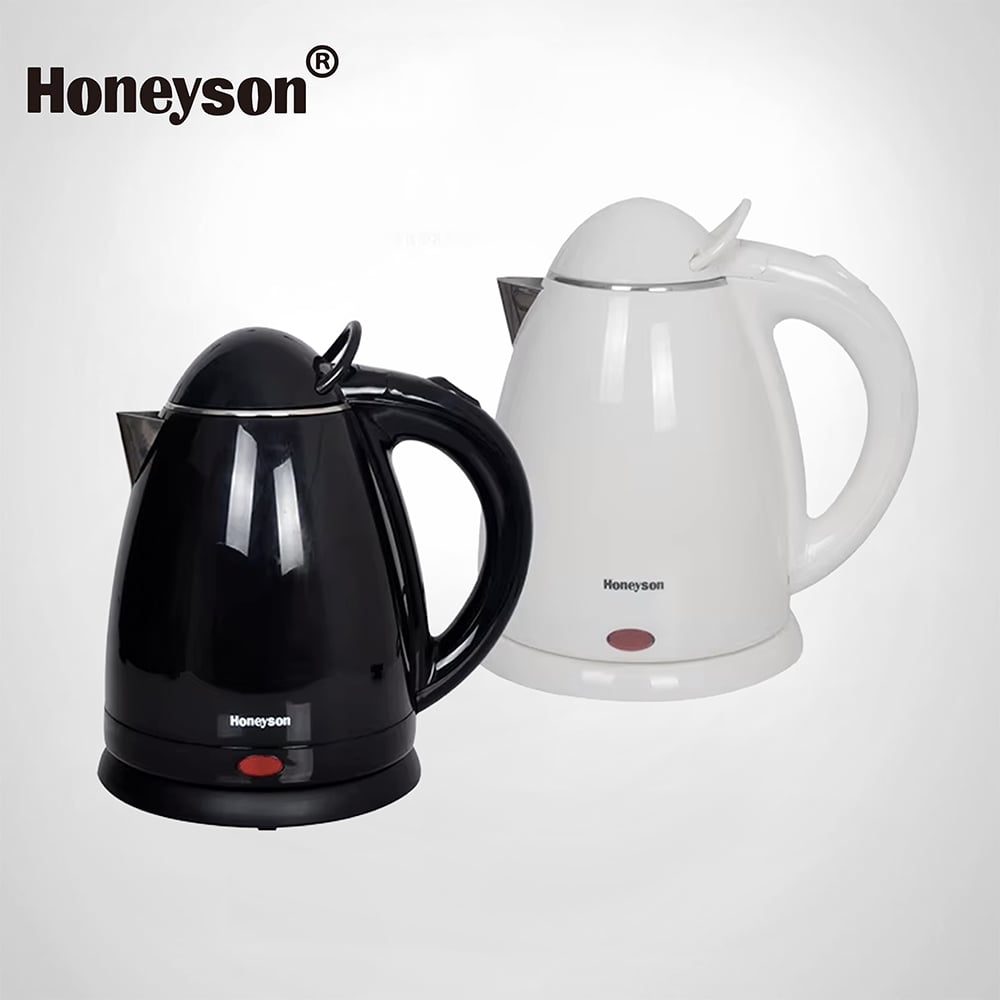
Hotel room appliances represent a fundamental investment that directly impacts both guest experience and operational costs. OEM hotel appliances provide reliability and warranty support essential for high-volume hospitality environments. Understanding how to distribute these appliances by room category prevents over-provisioning in some areas and critical shortages in others. This article explores how to systematically plan appliance quantities using room type classifications as your foundation.
Understanding Room Type Categories and Appliance Needs
Single and Double Occupancy Rooms
Single rooms typically accommodate one guest and require a streamlined set of guest room supplies and hotel room appliances. A single room needs one electric kettle, one coffee maker, and one minibar unit at minimum. Double occupancy rooms serve two guests and warrant slightly more comprehensive equipment to handle dual-occupancy convenience expectations. The appliance distribution between these categories must reflect actual usage patterns rather than arbitrary inventory allocation. OEM hotel appliances in these standard rooms form the backbone of your overall guest distribution strategy and directly influence satisfaction metrics.
Suite and Premium Room Classifications
Premium suites demand expanded hotel room appliances and higher-quality guest room supplies to justify premium pricing. Suite configurations often include separate living areas requiring additional beverage stations, multiple refrigeration units, and enhanced entertainment appliances. OEM hotel appliances for suites must exceed standard room specifications in both quantity and performance capability. Luxury guests expect redundancy and choice in their appliance options, making comprehensive planning essential. The guest distribution across suite categories must account for higher breakage rates, more frequent maintenance needs, and elevated replacement cycles.
Calculating Appliance Quantities by Occupancy Metrics
Occupancy Rate Projections and Safety Stock
Your appliance quantity calculations must begin with realistic occupancy forecasts rather than assuming 100 percent occupancy constantly. Most hotels operate between 70–85 percent occupancy annually, with seasonal fluctuations requiring flexible staffing and maintenance scheduling. Calculate guest distribution across room types, then add 15–20 percent surplus inventory to accommodate maintenance cycles, breakage, and replacement delays. OEM hotel appliances require lead times for replacement, making safety stock critical to prevent service gaps. Guest room supplies including consumable items should rotate quarterly to maintain freshness and functionality standards.
Peak Season Demand and Maintenance Cycles
Peak season generates concentrated guest distribution demands that strain appliance availability if baseline planning proves inadequate. During high-occupancy periods, more rooms operate simultaneously, increasing simultaneous demand for water heating, refrigeration, and beverage service appliances. Maintenance windows shrink during peak season, requiring higher baseline inventory to ensure rooms remain in service. Plan OEM hotel appliances replacement schedules around your lowest-occupancy periods to maximize operational continuity. Guest room supplies must be pre-positioned before peak season begins to prevent service interruptions when maintenance access becomes limited.
Strategic Implementation for New Hotel Projects
Pre-Opening Equipment Procurement and Installation
New hotel projects require complete appliance procurement before opening day, making accurate guest distribution planning essential from design phases forward. Coordinate with architects and design teams to ensure electrical infrastructure, plumbing connections, and ventilation systems support planned hotel room appliances throughout all room categories. OEM hotel appliances must be sourced with sufficient lead time to prevent opening delays caused by supplier constraints. Guest room supplies procurement should begin 8–12 weeks before opening to establish vendor relationships and verify quality standards. Verify that all guest distribution assumptions remain valid through construction phases, as design changes may alter appliance placement and quantity requirements.
Operational Launch and Performance Monitoring
Once your new hotel opens, monitor actual guest distribution patterns against initial projections to refine future appliance procurement. Track maintenance issues, guest complaints, and appliance failure rates by room type to identify underprovisioning or quality issues in your guest room supplies. OEM hotel appliances typically come with extended warranties during the first operational year, making this period ideal for identifying systemic problems. Document actual consumption patterns for guest room supplies to establish accurate replenishment cycles. Use first-year operational data to adjust appliance quantities and supplier relationships before your five-year capital replacement cycle begins.
FAQ
How many guest room supplies should I stock for a new hotel with 150 rooms?
Calculate your baseline inventory by multiplying room count by average items per room, then add 20–25 percent safety stock. For 150 rooms with standard guest distribution across single, double, and suite categories, stock 200–250 complete supply sets. Include backup inventory for high-demand items like coffee and tea supplies. OEM hotel appliances should include 15–20 percent surplus units to accommodate simultaneous maintenance and replacement cycles.
What factors determine appliance selection across different room types?
Room category, price point, guest demographics, and brand positioning drive appliance selection decisions. Premium rooms warrant higher-performance hotel room appliances and expanded guest room supplies options. Standard rooms need reliable, durable OEM hotel appliances that minimize maintenance costs. Analyze your target market's expectations and your property's competitive positioning to guide guest distribution investment decisions across appliance categories.
When should I plan appliance procurement for a new hotel opening?
Begin appliance planning during the design phase, 12–18 months before opening. Finalize procurement decisions 6–9 months pre-opening to ensure OEM hotel appliances, guest room supplies, and guest distribution infrastructure align with construction schedules. Order long-lead items immediately after design approval to prevent opening delays. Establish maintenance and replacement protocols 3–4 months before opening to ensure your team understands appliance operation and guest room supplies management procedures.
