
 EN
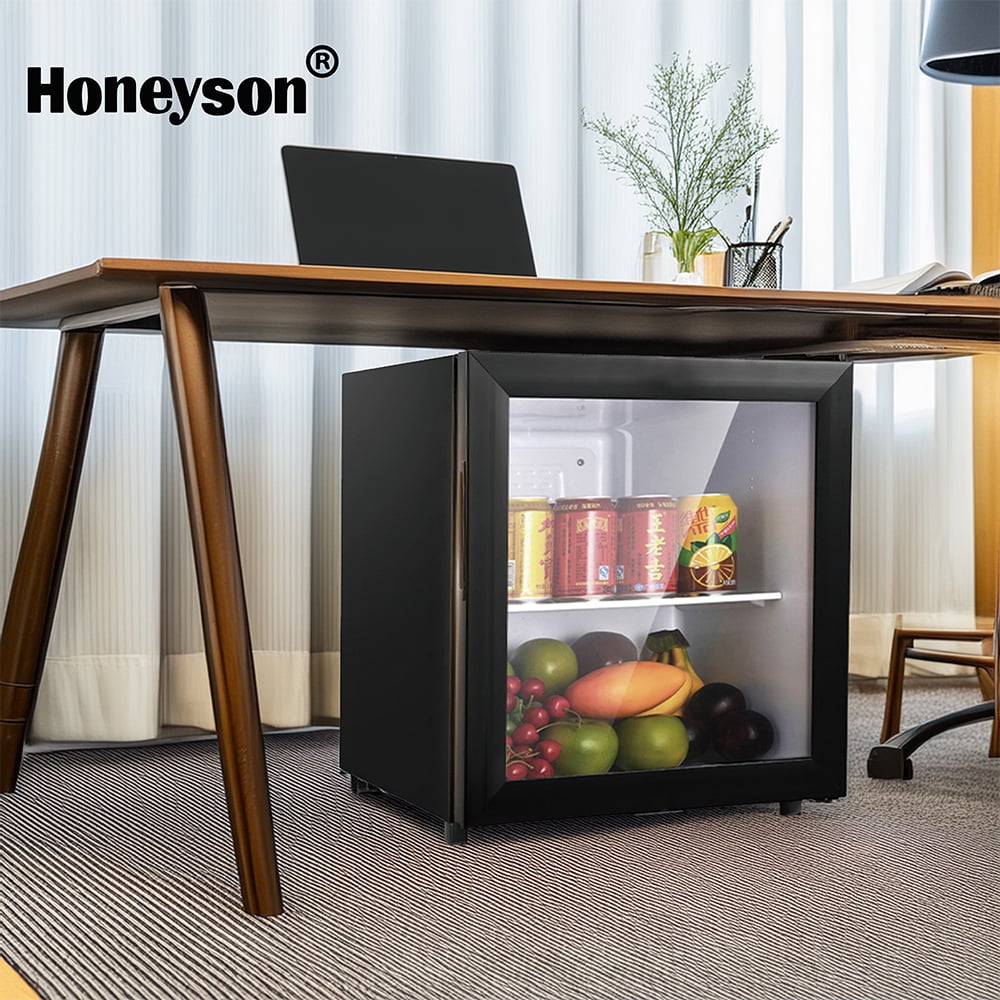
Hotel chains operating across multiple properties face significant logistical challenges when managing guest distribution of essential appliances and amenities to individual rooms. The efficiency of this supply chain directly impacts guest satisfaction, operational costs, and staff productivity. Distributors who master guest distribution for hotel room appliances can reduce downtime, minimize waste, and ensure consistent guest experiences across all locations. Understanding how professional distributors organize this complex supply network reveals best practices that hotel procurement teams should adopt when selecting partners.
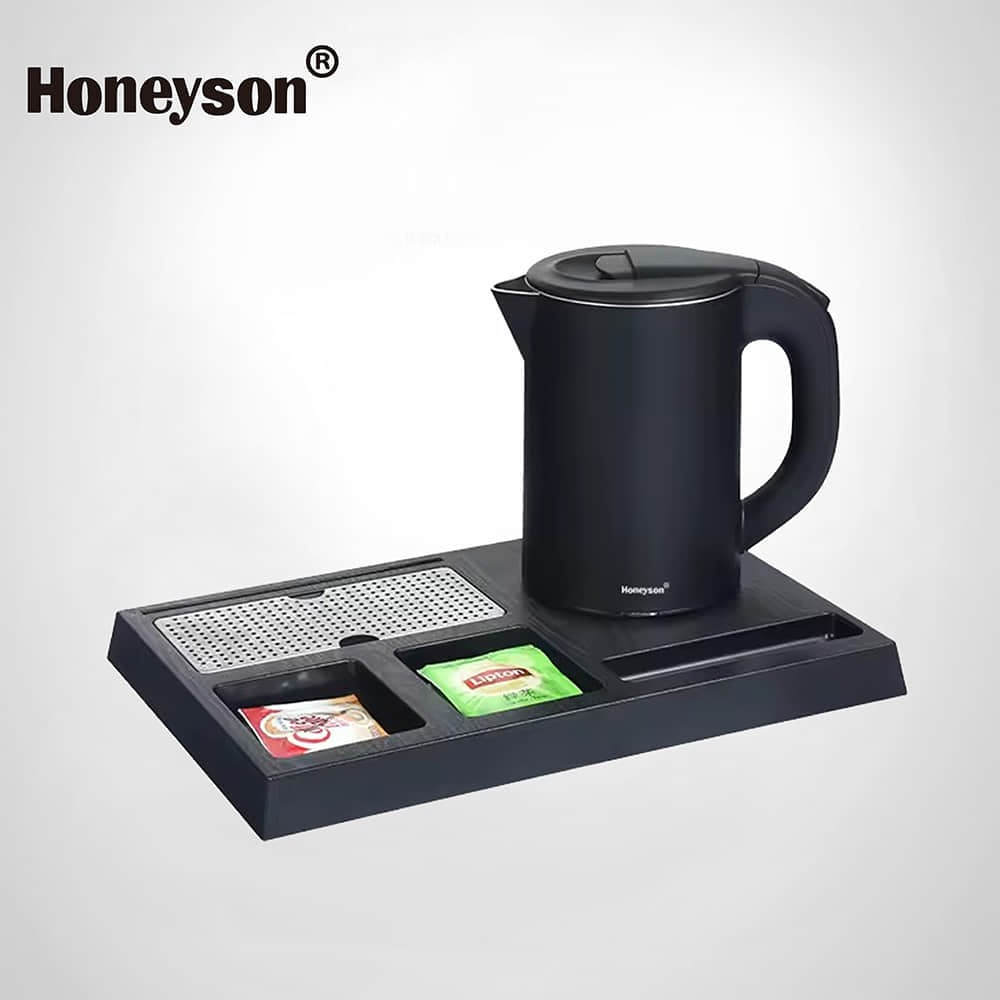
Effective guest room supplies management requires coordination across inventory forecasting, warehouse operations, quality control, and last-mile delivery. Distributors specializing in hotel supplies have developed sophisticated systems to track appliance demand by property type, seasonal variations, and guest preferences. This data-driven approach enables them to maintain optimal stock levels while preventing overstock situations that tie up capital. The complexity increases when hotel chains require customized guest room supplies with specific branding, voltage specifications, or feature sets tailored to regional markets.
Strategic Inventory Planning for Hotel Room Appliances
Demand Forecasting and Stock Optimization
Professional distributors begin guest distribution planning by analyzing historical consumption patterns across each hotel property. They examine room occupancy rates, seasonal peaks, and guest demographics to predict appliance demand accurately. OEM hotel appliances require precise forecasting because over-ordering increases storage costs while under-ordering causes service failures that damage hotel reputation. Distributors maintain regional warehouses positioned strategically near major hotel clusters, enabling rapid replenishment cycles that keep properties adequately stocked without excessive inventory.
Advanced distributors implement tiered inventory systems where slow-moving items are held in central distribution hubs while fast-moving guest room supplies remain positioned closer to end-user hotels. This approach reduces holding costs while ensuring critical appliances reach properties within required timeframes. Temperature-controlled storage for sensitive electronics protects product integrity, and systematic rotation prevents obsolescence in fast-changing product categories.
Quality Control and Compliance Standards
Guest distribution demands rigorous quality verification because appliance failures directly affect guest experiences and generate costly replacement requests. Distributors perform comprehensive testing on OEM hotel appliances before shipment, checking electrical safety, functionality, and aesthetic conditions. They maintain documentation of certifications, safety standards, and regulatory compliance for each hotel supplies category, ensuring that properties receive equipment meeting local building codes and international hospitality standards. This quality assurance component differentiates professional distributors from basic logistics providers.
Logistics Network Design and Fulfillment Operations
Distribution Center Architecture and Routing
Successful guest distribution relies on strategically positioned warehouse facilities that balance accessibility, cost efficiency, and response time. Distributors establish primary distribution centers in metropolitan areas where hotel chains concentrate their properties, then operate satellite facilities in secondary markets to reduce shipping distances. guest distribution through consolidated shipments reduces per-unit transportation costs, allowing bulk deliveries to major hotel clusters while combining smaller shipments to remote properties. Modern distributors use route optimization software that calculates most efficient delivery sequences, considering road conditions, fuel costs, and delivery window constraints.
Hotel supplies warehousing includes dedicated areas for receiving, quality inspection, picking, packing, and staging zones for each regional distribution route. Cross-docking operations allow time-sensitive OEM hotel appliances to be transferred directly from inbound vehicles to outbound trucks, minimizing storage time. This approach works particularly well for high-volume items where guest room supplies turnover is rapid and inventory holding periods must be minimized.
Integration with Property Management Systems
Leading distributors connect their inventory systems directly with hotel property management platforms, enabling automated reordering based on real-time consumption data. When housekeeping staff scan appliances or supplies into rooms, this information triggers automated replenishment orders with distribution partners. Guest room supplies can be scheduled for delivery during off-peak hours when hotels prefer minimal disruption. This integration eliminates manual ordering errors, reduces administrative overhead, and ensures consistent availability of critical items across multi-property hotel chains.
Customization, Scalability, and Partnership Models
Branded and Customized Guest Room Solutions
Hotel chains increasingly differentiate their guest experiences through customized appliances and amenities that reflect brand identity. Distributors manage complex product configurations where OEM hotel appliances may require custom packaging, specific voltage ratings for international properties, or feature variations by market segment. Guest distribution of these customized hotel supplies demands flexible manufacturing partnerships, rapid changeover capabilities, and quality control systems adapted to unique specifications. Distributors maintain strategic relationships with multiple manufacturers to source best-fit products while providing alternative options when primary suppliers face capacity constraints.
Scalability for Multi-Brand and Multi-Region Operations
Large hospitality groups operating dozens of brands across multiple continents require guest distribution networks capable of handling vastly different appliance specifications and supply requirements. Professional distributors build modular systems that scale from small boutique properties to massive resort chains without operational friction. They manage separate inventory flows for luxury properties requiring premium OEM hotel appliances versus economy chains prioritizing cost optimization for guest room supplies. This scalability extends to seasonal adjustments where distributors rapidly shift inventory allocation during peak travel periods or in response to market disruptions.
Partnership models have evolved where distributors function as extension of hotel procurement teams rather than transactional suppliers. They provide regular inventory reporting, market intelligence on emerging appliance technologies, sustainability insights, and cost-optimization recommendations. This consultative approach builds long-term relationships that benefit both parties through improved operational efficiency and reduced total acquisition costs for hotel supplies.
FAQ
What factors determine how distributors prioritize guest distribution across multiple hotel properties?
Distributors prioritize guest distribution based on property occupancy rates, historical demand patterns, seasonal variations, and delivery distance from distribution centers. Properties with high occupancy and rapid guest turnover receive more frequent replenishment cycles, while seasonal properties receive concentrated deliveries before peak periods. Geographic clustering influences routing efficiency, as distributors consolidate shipments to nearby hotels. Contract terms and service level agreements also affect priority, with premium hotel customers receiving expedited delivery windows and dedicated inventory allocation.
How do distributors manage the complexity of different OEM hotel appliances specifications across international hotel chains?
Distributors maintain detailed product databases tracking voltage specifications, certifications, regional safety standards, and operational features for each OEM hotel appliances variant. They establish regional procurement strategies where guest room supplies are sourced locally to meet specific market requirements, ensuring compliance with building codes and electrical standards. Training and documentation support hotel staff in managing region-specific appliance variations. Distributors coordinate with manufacturers to standardize specifications where possible while maintaining flexibility for markets requiring unique configurations.
What technology improvements are transforming guest distribution efficiency for hotel supplies?
IoT sensors embedded in appliances track usage patterns and predict maintenance needs, enabling distributors to schedule proactive replacements before failures occur. Artificial intelligence algorithms optimize inventory levels by analyzing real-time occupancy data, weather patterns, and historical consumption trends. Blockchain technology improves supply chain transparency, allowing hotel chains to verify product authenticity and track guest room supplies from manufacturer through delivery. Automated warehousing systems, including robotic picking and sorting, increase fulfillment speed while reducing labor costs and errors in guest distribution operations.
Table of Contents
- Strategic Inventory Planning for Hotel Room Appliances
- Logistics Network Design and Fulfillment Operations
- Customization, Scalability, and Partnership Models
-
FAQ
- What factors determine how distributors prioritize guest distribution across multiple hotel properties?
- How do distributors manage the complexity of different OEM hotel appliances specifications across international hotel chains?
- What technology improvements are transforming guest distribution efficiency for hotel supplies?
