
 EN

Maintaining consistent quality and experience across multiple properties is one of the greatest operational challenges in hotel chain management. When guests move from one location to another within the same chain, they expect familiar, reliable experiences—and that consistency starts with standardizing hotel amenities. Without a deliberate standardization strategy, guest expectations become fragmented, operational costs rise, procurement becomes chaotic, and brand trust deteriorates across properties. This guide explores how to build and execute a comprehensive hotel amenities optimization framework that aligns all locations, simplifies sourcing, and strengthens guest satisfaction.
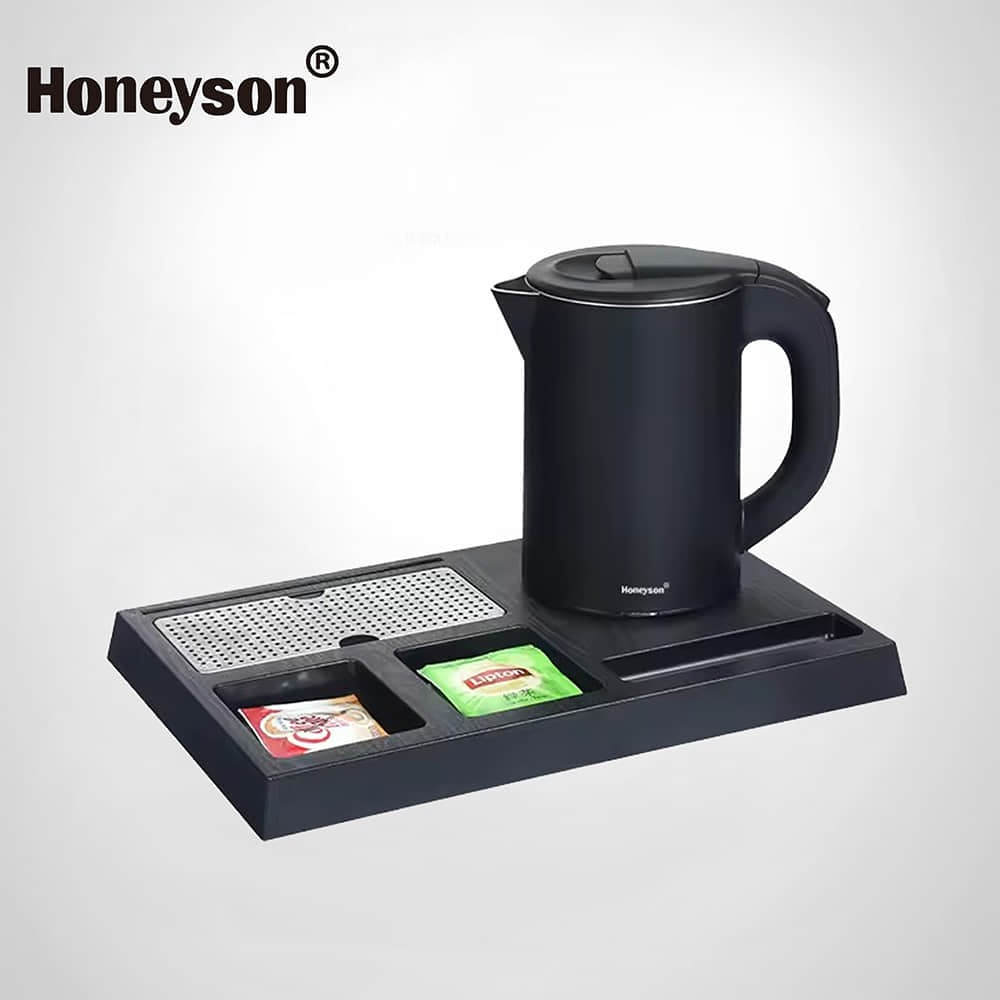
The foundation of any successful standardization program begins with clear governance and comprehensive auditing of current practices. Many hotel chains operate with decentralized procurement, where individual properties source hotel electrical amenities, bathroom fixtures, and in-room furnishings independently. This fragmentation creates inventory complexity, prevents bulk purchasing savings, and makes it nearly impossible to deliver the consistent guest experience that builds brand loyalty. A centralized OEM hotel amenities framework establishes unified specifications, approved vendor lists, and performance benchmarks across all properties.
Establishing Standardized Guest Room Amenities Specifications
Define Core Amenity Categories and Quality Tiers
The first step in standardization is mapping every hotel electrical amenities category that directly affects guest perception. This includes in-room kettles, coffee makers, hair dryers, charging stations, bedside lighting, climate control interfaces, and smart device connectivity. For each category, establish quality standards, safety compliance requirements, and performance durability metrics. Guest room amenities should be classified by hotel segment—luxury, upscale, midscale, and economy—so that each tier delivers appropriate value without unnecessary overspending.
Create detailed specification documents that describe not just what items to purchase, but exactly how they perform, appear, and integrate into the room. Include energy efficiency ratings, material specifications, color palettes, and warranty requirements. When OEM hotel amenities specifications are this precise, procurement teams at every property can source from pre-approved vendors confidently, knowing they will receive identical products regardless of location or timing of purchase.
Build Supplier Relationships and Volume Agreements
Once specifications are locked, identify OEM partners and major suppliers capable of delivering consistent quality at scale. Volume agreements with preferred vendors unlock significant cost savings—often 20-40% lower per-unit pricing compared to individual property purchasing. These agreements should include minimum order quantities, payment terms, delivery schedules, and quality guarantees. Establish quarterly business reviews with key suppliers to monitor performance, discuss product innovations, and adjust specifications as needed.
Implementing Standardized Hotel Amenities Across Properties
Develop a Phased Rollout Plan
Rolling out standardized hotel amenities across an entire chain requires careful sequencing to avoid disruption and budget shock. Begin with new property openings, where you can specify all guest room amenities from the start without replacing existing stock. Then phase in existing properties by region or brand tier, coordinating replacement cycles with scheduled renovations. This approach spreads capital expenditure over time and allows you to refine processes and gather staff feedback during early phases.
Create a master inventory database that tracks what hotel amenities exist at each location, their age, condition, and replacement timelines. This visibility prevents duplicate ordering, identifies cost-saving consolidation opportunities, and ensures no property falls out of compliance with standards. Assign each property a standardization target date, and monitor progress monthly through the central procurement team.
Train Staff and Establish Operational Protocols
When new guest room amenities arrive at a property, housekeeping, maintenance, and front desk teams must understand how to install, care for, and troubleshoot them. Develop clear setup guides, maintenance schedules, and replacement procedures. Staff training reduces damage, extends product life, and ensures guests receive consistent in-room experience. Additionally, standardized hotel electrical amenities mean maintenance teams see the same products everywhere—simplifying troubleshooting, spare parts inventory, and repair protocols.
Measuring Standardization Success and Continuous Improvement
Track Compliance and Performance Metrics
Implement a compliance dashboard that monitors which properties have completed standardization, inventory levels of each hotel amenities category, replacement cycle adherence, and any deviations from spec. Regular compliance audits—both visual inspections and guest feedback analysis—identify gaps and trigger corrective action. Guest satisfaction surveys should specifically measure reactions to in-room experience and OEM hotel amenities quality, providing quantitative validation that standardization efforts deliver guest value.
Track total cost of ownership for each amenities category, including purchase price, shipping, installation labor, maintenance, and replacement rates. If certain products consistently fail or require more maintenance than expected, adjust OEM specifications or vendor relationships. Standardization success isn't just about uniformity—it's about choosing items that deliver durability, guest satisfaction, and cost efficiency at every location.
Gather Guest and Staff Feedback for Optimization
Encourage front-line staff at each property to report issues, guest complaints, or suggestions about guest room amenities. Create simple feedback channels so housekeeping and maintenance teams can flag products that wear out too quickly or don't function well. Guest reviews and stay surveys should ask explicitly about amenities—what they appreciated, what was missing, or what disappointed them. Use this feedback to continuously refine your OEM hotel amenities specifications and adjust as guest preferences evolve.
FAQ
What are the main benefits of standardizing hotel amenities across chains?
Standardized hotel amenities deliver consistent guest experiences across all properties, which builds brand loyalty and reduces variability in guest satisfaction. Standardization also dramatically reduces procurement complexity, unlocks volume purchasing discounts, simplifies staff training and maintenance, and enables better inventory management. Most chains see 15-30% cost savings within the first two years of full standardization, plus measurable improvements in guest satisfaction scores.
How do I choose which hotel electrical amenities to prioritize first?
Start with amenities that have the highest guest interaction and visibility—kettle sets, hair dryers, bedside lighting, and charging stations. These are the items guests notice immediately and use daily, so consistency has the greatest impact on perceived quality. Guest room amenities that are less frequently used or are considered maintenance items can follow in later phases. Focus your initial effort on OEM hotel amenities categories where standardization delivers visible value and quick wins.
Can we maintain flexibility for local market preferences while standardizing hotel amenities?
Yes. A tiered standardization model allows flexibility within guardrails. For instance, establish core mandatory hotel amenities that are identical across all locations—such as specific kettle or charging station models—while permitting flexibility in supplementary items like regional toiletries or local cultural touches. This approach ensures core experience consistency while letting properties adapt to local guest preferences, keeping both standardization benefits and market responsiveness.
