
 EN
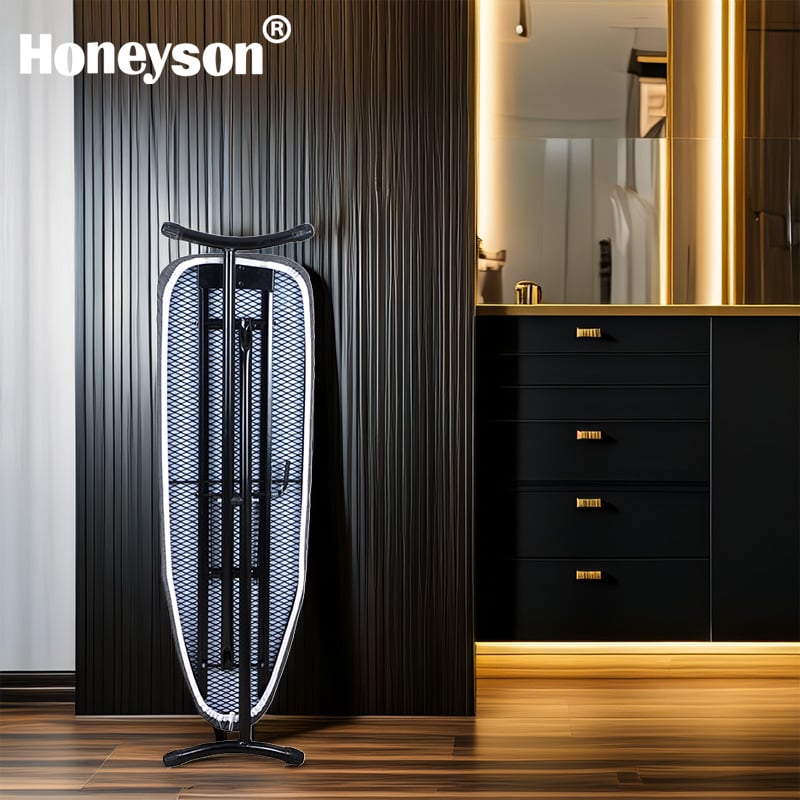
Selecting the right best wall mounted ironing board requires careful evaluation before committing to full production. Whether you are a hotel operator, facilities manager, or equipment manufacturer, assessing a wall mounted ironing board sample is essential to ensure it meets your operational needs, durability standards, and budget constraints. The evaluation process goes beyond visual inspection and involves testing functionality, material quality, installation compatibility, and long-term performance expectations.
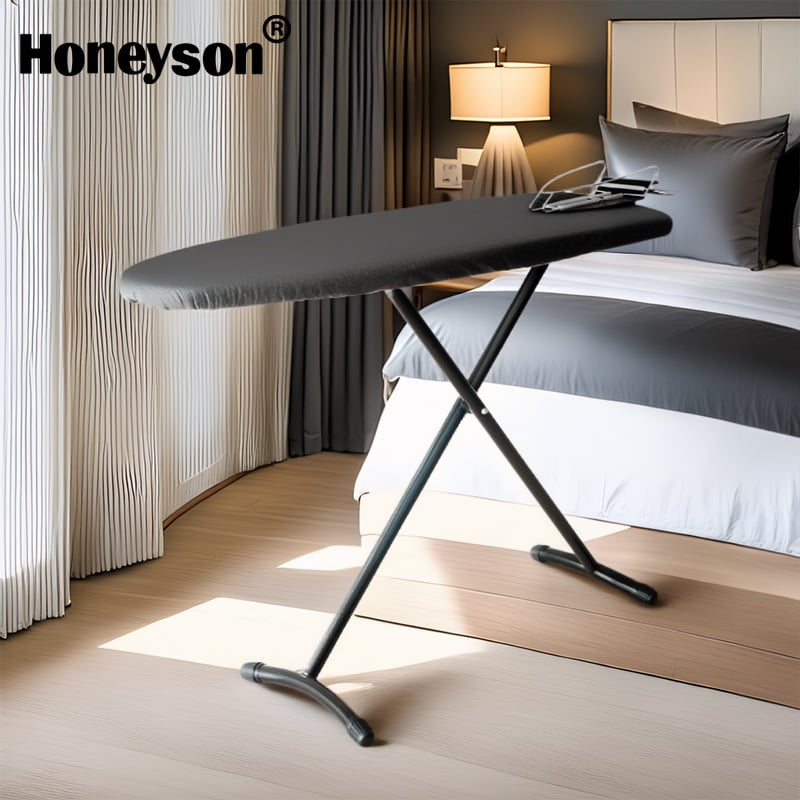
Before placing a production order, you need a structured approach to evaluate samples. This article walks you through the critical assessment areas, from structural integrity to ease of use, helping you make an informed decision about whether a particular wall mounted ironing board design or OEM ironing board model will serve your customers reliably and cost-effectively.
Understanding Sample Evaluation Criteria
Physical Construction and Material Assessment
The foundation of any fold down ironing board lies in its materials and construction quality. Examine the frame material closely—whether steel, aluminum, or a composite blend—to confirm it matches specifications and shows no signs of defects, warping, or stress marks. A hotel ironing board must withstand frequent use, so material thickness and joint quality are non-negotiable inspection points. Press down on the ironing surface firmly to assess frame rigidity and check that all welds or fasteners are clean and properly finished.
The cover material on the ironing surface should be heat-resistant, smooth, and securely attached to prevent peeling or unraveling during use. Run your hand across the cover to feel for bumps, thin spots, or inconsistent padding. For a wall mounted ironing board used in high-traffic environments like hotels, durability testing of the cover material often determines how long the unit remains functional before requiring replacement. Additionally, inspect the folding mechanism's hinges and brackets for smooth operation and structural alignment when the board is in both open and closed positions.
Safety and Stability Testing
Safety is paramount when evaluating a fold down ironing board sample. Mount the unit according to specifications and apply firm pressure at various points on the ironing surface to simulate realistic use. A hotel ironing board must not shift, rattle, or flex excessively under normal operating conditions. Check that all locking mechanisms engage securely and hold position when the board is extended. Test the deployment and retraction cycles multiple times to ensure consistent smooth operation without jamming or misalignment.
Verify that all edges are deburred and smooth to prevent injury. If the wall mounted ironing board includes any electrical components—such as a built-in heating element or steam function—ensure wiring is properly insulated, grounded, and labeled. Check that safety warnings and assembly instructions are clearly visible and legible on the unit or packaging. For OEM ironing board models, confirm that load ratings match the stated specifications and that the unit has been tested to relevant safety standards before sample production approval.
Functional Performance and Ease of Use
Deployment, Adjustment, and Storage
Evaluate how easily users can deploy and fold the wall mounted ironing board. A well-designed hotel ironing board should require minimal effort to pull down and lock into place, and the same applies to retracting and securing it against the wall. Test the ease of height adjustment if the model includes this feature—rotation mechanisms, slide locks, or lever systems should operate smoothly without requiring excessive force. A fold down ironing board that is difficult to use will generate customer complaints and reduce adoption in hospitality or residential settings.
Check the footprint and overall dimensions of the extended board. Ensure that the wall mounted ironing board does not protrude into walkways or create hazards in constrained spaces. Verify that the retracted profile is compact enough for aesthetic appeal and does not interfere with doors, light switches, or other wall-mounted fixtures. For an OEM ironing board destined for high-volume hospitality or institutional use, ease of use directly impacts guest satisfaction and operational efficiency, making this evaluation step critical.
Heat Retention and Surface Performance
If the sample includes a heating function, test the temperature rise time and stability. A hotel ironing board with built-in heating should reach operating temperature quickly and maintain consistent heat across the ironing surface. Place a small test fabric on the board and assess wrinkle removal performance and any potential scorching or hot spots. The cover should distribute heat evenly without causing damage to delicate fabrics. For a wall mounted ironing board without built-in heating, verify that the surface is smooth and flat enough to support a standard iron without tilting or rocking.
Check ventilation holes or steam escape pathways if applicable. A fold down ironing board designed for steam use must allow moisture to dissipate properly to prevent rust, mold, or deterioration of the cover material over time. Evaluate the reflective properties of the cover or board surface—a shiny finish is often preferred because it helps users see wrinkles more clearly and reduces glare fatigue during extended use. These seemingly minor details significantly impact the practical value of an OEM ironing board model in commercial environments.
Installation, Compliance, and Documentation
Wall Mounting and Structural Requirements
Assess the mounting hardware provided with the wall mounted ironing board sample. Brackets, fasteners, and anchors should be rated for the weight of the board and the expected load during use. Test the mounting system on various wall types—drywall, tile, or wood—to confirm compatibility and ease of installation. Check that installation instructions are clear, include required wall stud spacing, and specify appropriate fastener sizes. A hotel ironing board installed incorrectly or on inadequate wall structure poses safety and liability risks, so this evaluation is critical for production approval.
Inspect any protective covers, corner guards, or bumpers designed to protect walls from damage when the fold down ironing board is deployed or retracted. Confirm that all protective elements are securely attached and will not loosen during normal use. For an OEM ironing board model intended for retrofit installation in existing facilities, compatibility with standard wall configurations and minimal structural modification requirements are significant selling points and must be verified during the sample evaluation phase.
Labeling, Compliance, and Packaging
Review all labels, markings, and documentation included with the wall mounted ironing board. Verify that care instructions, assembly diagrams, and safety warnings are accurate, complete, and translated into relevant languages for your target markets. Check that the label includes manufacturer name, model number, date code, and compliance certifications if required by relevant regulations. A hotel ironing board and a fold down ironing board intended for consumer or commercial markets may have different regulatory requirements, so ensure the sample documentation reflects these distinctions correctly.
Examine the packaging quality and whether it protects the unit adequately during shipping and storage. Damage during transit can mask manufacturing issues and lead to returns and customer dissatisfaction. Verify that the OEM ironing board sample packaging is compact and cost-effective for volume orders. Check that all accessories—fasteners, instruction manuals, warranty cards—are included and secure. Documentation quality and packaging presentation often influence buyer confidence and unboxing experience, particularly for hospitality and premium residential segments.
FAQ
What specific durability tests should I perform on a wall mounted ironing board sample?
Focus on repeated deployment and retraction cycles—at least 50 to 100 cycles—to simulate months of typical use. Apply sustained pressure on the ironing surface to test rigidity and bracket strength. Check all fasteners and joints after cycling to identify any loosening or micro-movement. For a fold down ironing board, pay particular attention to hinge wear, cover adhesion, and locking mechanism reliability. Testing under worst-case conditions, such as maximum load and misuse scenarios, helps reveal weak points before full production launch.
How do I determine if a hotel ironing board meets my facility's space and aesthetic requirements?
Measure the wall space where you plan to install the wall mounted ironing board and verify that the extended and retracted profiles fit your layout. Visit showrooms or request 3D renderings from the OEM ironing board manufacturer to visualize the unit in your environment. Consider finishes, colors, and design styles that align with your facility's decor and branding. For a wall mounted ironing board in a hotel or upscale residential setting, appearance and spatial efficiency often influence purchasing decisions as much as functionality, so careful visual evaluation during the sample phase is essential.
What should I check to ensure quality control consistency for production orders?
Request detailed product specifications, manufacturing process documentation, and quality control test reports from the supplier. During sample evaluation of the fold down ironing board, ask whether the sample represents the standard production version or a custom build. Establish clear acceptance criteria and tolerance ranges for critical dimensions, materials, and performance metrics. For an OEM ironing board contract, specify third-party inspection and testing protocols, on-site audits of manufacturing facilities, and sample batch testing plans to ensure that full production orders maintain the same quality standards demonstrated in the initial sample.
