
 EN
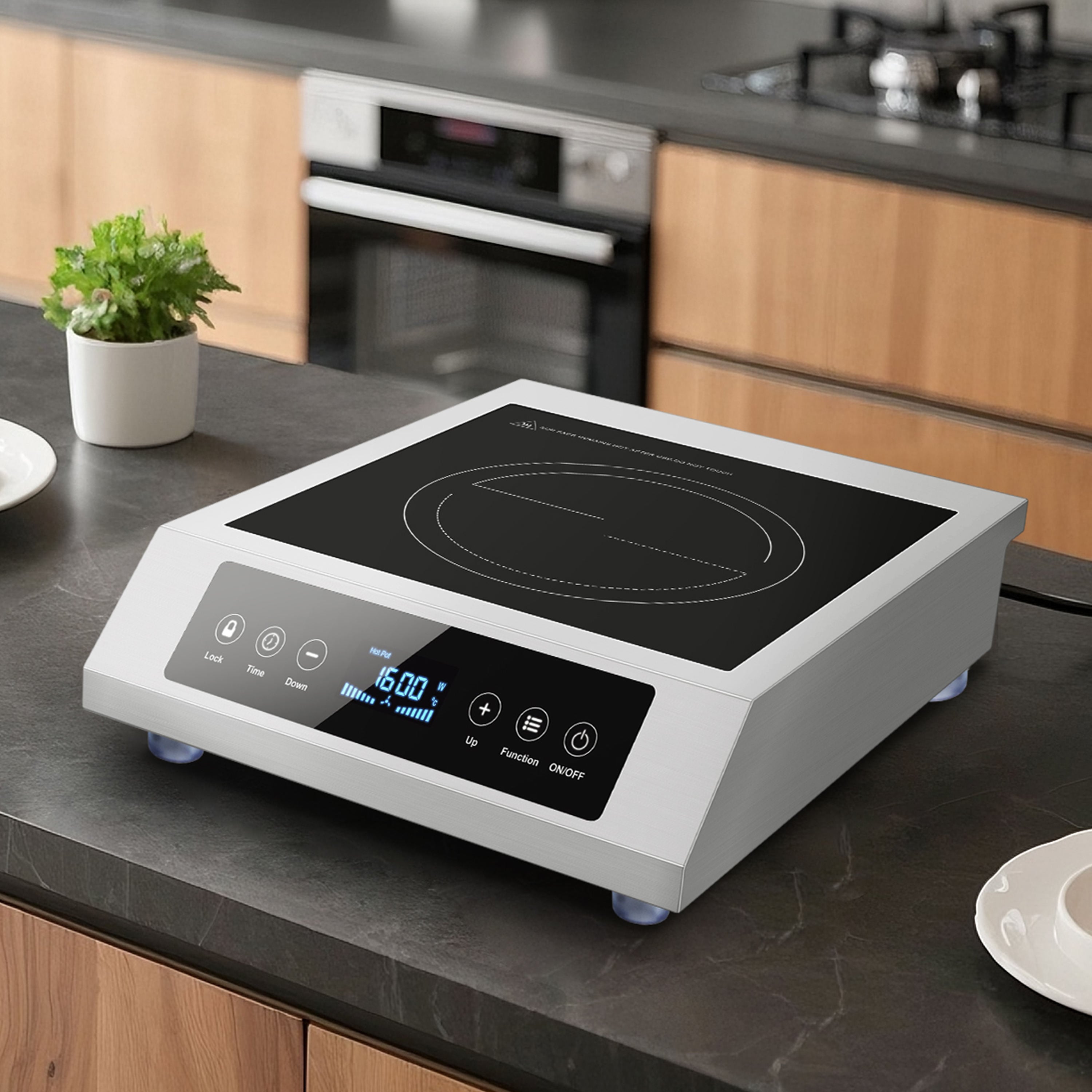
When hospitality suppliers equip hotels and resorts, durability becomes non-negotiable. Guest room equipment faces relentless use, frequent cleaning cycles, and exposure to harsh chemical disinfectants daily. The materials selected for hospitality supplies must endure not only guest handling but also aggressive cleaning protocols that keep facilities hygienic and guest-ready. Understanding which materials withstand these intense routines separates reliable purchases from costly replacements.

Hotel room appliances and OEM hospitality equipment operate under conditions far more demanding than residential use. Daily housekeeping involves immersion in cleaning solutions, abrasive scrubbing, steam cleaning, and rapid temperature changes. Materials must resist corrosion, staining, degradation from chemicals, and physical wear. hospitality suppliers who specify the right materials reduce maintenance costs, extend asset lifecycles, and maintain consistent guest satisfaction throughout a property's operational life.
Stainless Steel Dominance in Hospitality Supplies
Why Stainless Steel Leads Performance Standards
Stainless steel remains the gold standard across hotel room appliances and guest room equipment because it resists corrosion, withstands chemical exposure, and handles frequent washing cycles without degradation. Grade 304 stainless steel, commonly found in OEM hospitality equipment, offers excellent balance between cost and durability. Grade 316, though more expensive, provides superior resistance to chloride environments typical in areas near coastal properties or where salt-based ice melt compounds are used.
Hospitality supplies manufactured from stainless steel maintain their appearance even after years of intensive cleaning. Unlike painted metals or plastic composites that chip, fade, or crack under abrasive cleansers, stainless surfaces remain intact and hygienic. The non-porous nature of stainless steel prevents bacterial colonization and chemical absorption, making it ideal for guest room equipment where safety and sanitation directly influence guest experiences and operational compliance.
Surface Finishes and Practical Cleaning Impact
The finish applied to stainless steel determines how it responds to cleaning agents and physical wear. Brushed finishes hide water spots and fingerprints better than polished finishes, reducing visible wear in high-traffic areas and making maintenance schedules more flexible for hospitality supplies. Hotel room appliances with brushed stainless steel require less frequent polishing while maintaining a professional appearance. Polished finishes reflect light and convey luxury but demand more frequent maintenance to prevent spotting, making them less practical for guest room equipment used daily by numerous occupants.
Ceramic and Glass Components for Durability
Ceramic Coatings and Heat Resistance
Ceramic coatings applied to metal bases or direct ceramic construction in certain OEM hospitality equipment provide exceptional heat resistance, non-stick properties, and chemical resilience. These coatings withstand rapid temperature transitions from sterilizing dishwashers and chemical immersion without flaking or degrading. Guest room equipment featuring ceramic surfaces resists staining from coffee, tea, and mineral deposits that accumulate through heavy use. Hospitality supplies incorporating ceramic components maintain food-safe properties longer than single-material alternatives, supporting health department compliance and guest safety standards.
Glass and Borosilicate Applications
Borosilicate glass, used in coffee carafes, beverage dispensers, and observation windows on hotel room appliances, offers superior thermal shock resistance compared to standard glass. This material tolerates rapid heating and cooling cycles inherent to hospitality cleaning and service routines without cracking. Guest room equipment using borosilicate glass maintains clarity and transparency even after thousands of wash cycles, supporting professional presentation. Hospitality suppliers selecting borosilicate over standard glass reduce breakage incidents, minimize replacement frequency, and deliver consistent guest experiences across all properties and room categories.
Composite Materials and Specialized Coatings
High-Performance Plastic Compounds
Certain OEM hospitality equipment incorporates reinforced plastic compounds engineered for chemical resistance and impact durability. These materials, often polycarbonate or polypropylene blends with additives, withstand bleach-based disinfectants, acidic descaling solutions, and abrasive scrubbing without embrittlement or surface degradation. Guest room equipment featuring these composites offers weight advantages over all-metal alternatives, improving ease of cleaning for housekeeping staff. Hospitality supplies utilizing advanced plastic composites provide cost-effective alternatives where complete metal construction becomes impractical while maintaining acceptable durability and safety standards.
Protective Coatings and Treatment Advances
Modern hospitality supplies benefit from advanced protective coatings including powder-coat finishes, ceramic nanolayers, and antimicrobial treatments applied during manufacturing. These coatings create barriers between base materials and harsh cleaning chemicals, extending equipment life significantly. Hotel room appliances treated with antimicrobial coatings reduce pathogenic surface colonization between guest cycles, supporting emerging hospitality industry health standards. OEM hospitality equipment featuring multi-layer coating systems resists both chemical attack and physical abrasion, making them suitable for properties with rigorous cleaning protocols or high-occupancy properties requiring maximum durability and minimal downtime between guest cycles.
FAQ
What material performs best when hotels use harsh bleach-based disinfectants on hospitality supplies?
Stainless steel, particularly grade 316, combined with ceramic coatings or borosilicate glass components, withstands bleach-based disinfectants without corrosion or degradation. OEM hospitality equipment manufactured from these material combinations maintains structural integrity and appearance through thousands of exposure cycles. Guest room equipment should avoid painted finishes or uncoated mild steel, which corrode rapidly under bleach exposure regardless of other design advantages.
How do hospitality suppliers choose between stainless steel grades for different property environments?
Grade 304 stainless steel suffices for most indoor hotel room appliances and guest room equipment. Grade 316 becomes necessary for coastal properties, pools areas, or facilities using salt-based cleaning compounds where chloride exposure accelerates corrosion in standard stainless grades. Hospitality supplies specifications should account for local water chemistry, cleaning protocols, and geographic salt exposure when material selection decisions are finalized to ensure optimal equipment longevity.
Do composite materials in modern OEM hospitality equipment last as long as all-metal construction?
Well-engineered reinforced composite materials used in hospitality supplies can match or exceed traditional metal durability when selected for specific applications and cleaning environments. Hotel room appliances using polycarbonate or polypropylene blends with protective coatings often outlast painted metal alternatives. However, composite materials require proper selection based on expected chemical exposure and mechanical stress. Hospitality suppliers should specify composite materials only where engineering data confirms compatibility with facility-specific cleaning protocols and anticipated guest-use patterns.
Table of Contents
- Stainless Steel Dominance in Hospitality Supplies
- Ceramic and Glass Components for Durability
- Composite Materials and Specialized Coatings
-
FAQ
- What material performs best when hotels use harsh bleach-based disinfectants on hospitality supplies?
- How do hospitality suppliers choose between stainless steel grades for different property environments?
- Do composite materials in modern OEM hospitality equipment last as long as all-metal construction?
