
 EN
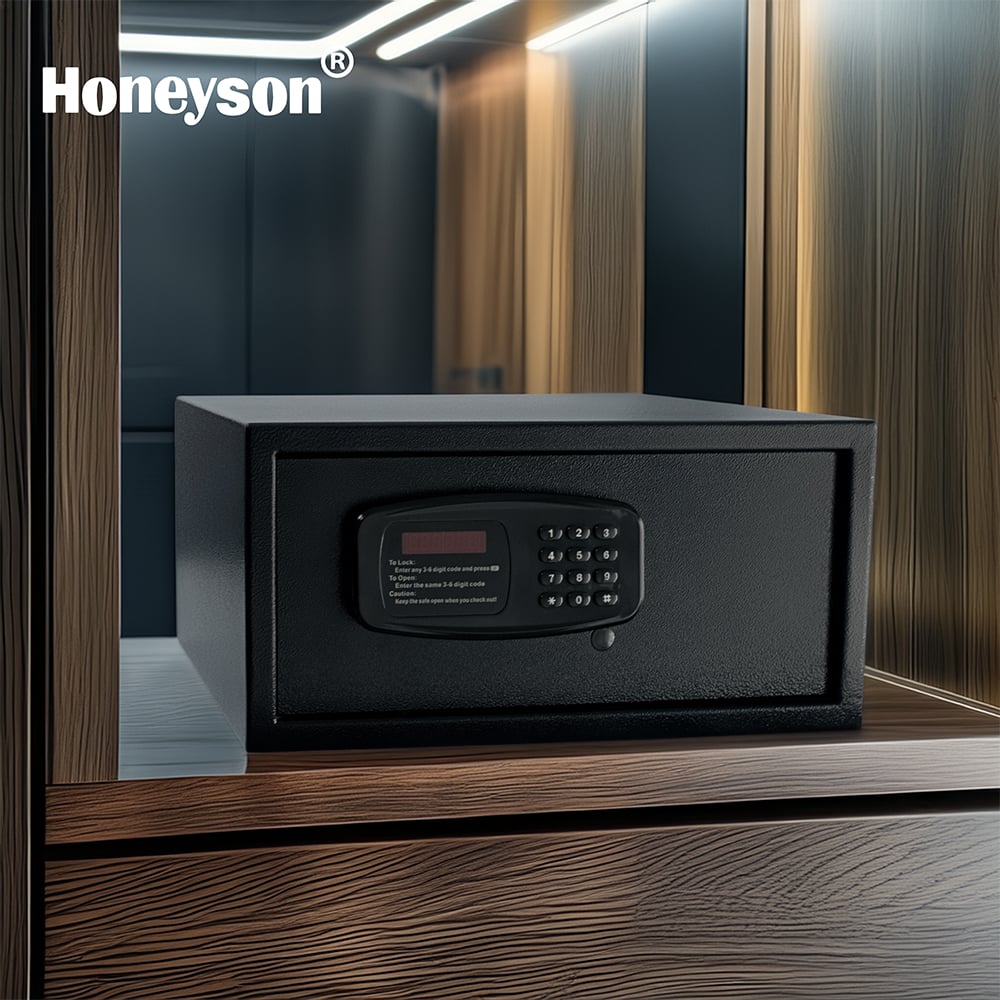
Hospitality brands operating multiple properties face a complex challenge when it comes to specifying electrical products and guest room equipment. Whether managing ten locations or a hundred, consistency in product selection across properties directly impacts guest satisfaction, operational efficiency, and maintenance costs. Understanding how to work with hospitality suppliers to standardize electrical specifications is essential for any multi-property operation.
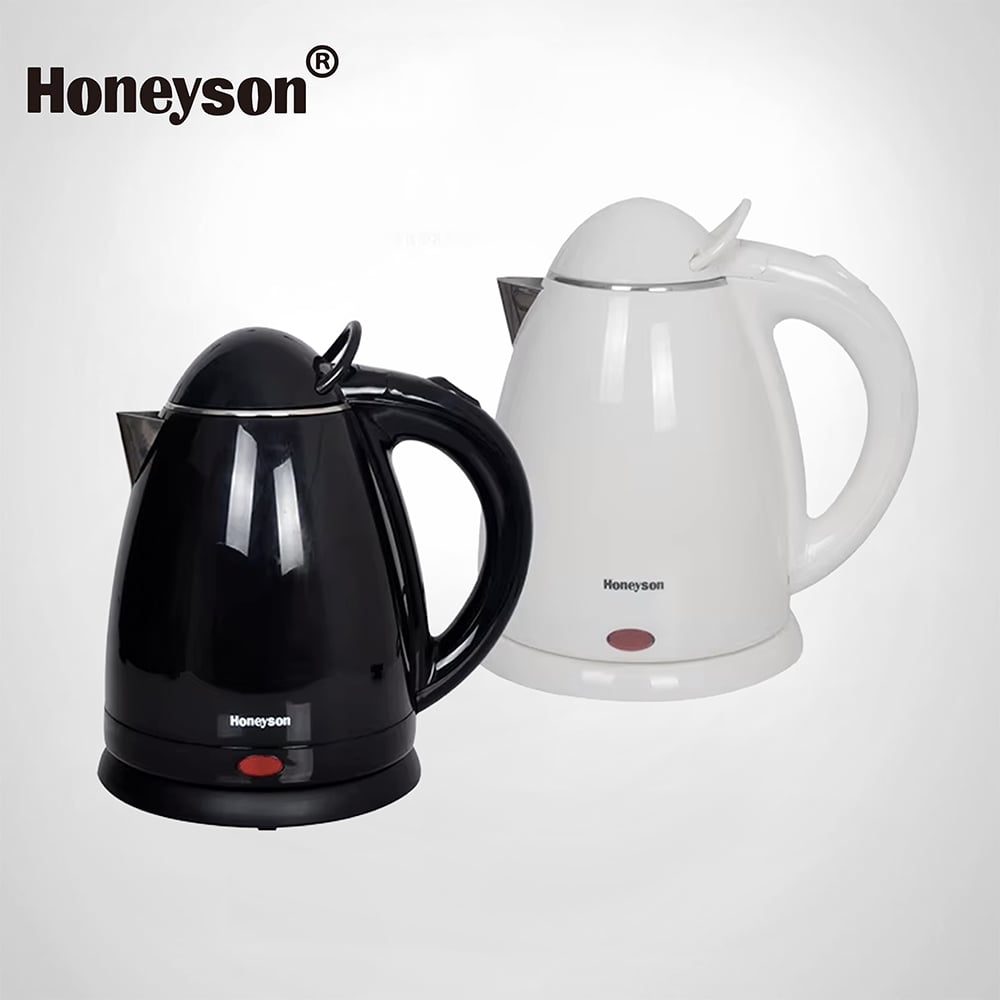
When brands establish a unified approach to specifying hotel room appliances and OEM hospitality equipment, they gain significant advantages in procurement, staff training, and guest experience consistency. The process requires collaboration between procurement teams, property managers, and equipment manufacturers to ensure every location meets the same standards.
Establishing Standardized Product Specifications Across Properties
Creating a Centralized Product Database
The foundation of effective multi-property product specification begins with creating a centralized database of approved hospitality supplies and guest room equipment. This repository should document every electrical product used across all properties, including model numbers, voltage requirements, warranty terms, and performance specifications. Hospitality suppliers can assist in organizing this information in a way that makes it accessible to procurement teams and property managers across different regions.
A well-maintained centralized database eliminates the confusion that often arises when different properties source equipment independently. Instead of multiple properties ordering different kettle brands or room appliances, standardization ensures consistency. This approach reduces supplier relationships to manageable numbers and strengthens negotiating power when dealing with OEM hospitality equipment vendors.
Defining Brand Standards and Quality Benchmarks
Hospitality brands must establish clear quality benchmarks and performance standards that all electrical products must meet. These standards should address durability, safety compliance, aesthetic alignment with brand positioning, and energy efficiency. Hotel room appliances like kettles, coffee makers, and irons should meet these defined specifications before any property adds them to their inventory.
When brands work with hospitality suppliers to define these benchmarks upfront, they avoid costly mistakes and inconsistent guest experiences. OEM hospitality equipment should be selected based on how well it aligns with these standards rather than based solely on price. This strategic approach protects brand reputation and ensures that guest room equipment functions reliably across all locations.
Coordinating with Hospitality Suppliers and Manufacturers
Building Strategic Relationships with Equipment Providers
Effective specification of electrical products requires hospitality brands to establish direct relationships with key hospitality suppliers and OEM hospitality equipment manufacturers. These partnerships enable volume discounts, priority service, and the ability to request custom specifications when needed. When a brand consolidates its purchasing with fewer suppliers, those suppliers are more willing to accommodate requests for standardized packaging, documentation, and delivery timelines.
Strategic supplier relationships also facilitate better communication about product updates, recalls, and new technologies in guest room equipment. Hospitality suppliers who understand a brand's long-term vision can proactively recommend improvements or alert the brand to potential issues before they affect multiple properties. This collaborative approach transforms vendors into true partners in maintaining quality standards.
Implementing Tiered Approval Processes
Most hospitality brands benefit from implementing a tiered approval process for new hotel room appliances and OEM hospitality equipment. The first tier might involve testing a product in one or two pilot properties to assess durability, guest feedback, and maintenance requirements. If pilot results are positive, the product moves to the second tier for broader rollout across similar property types.
This staged approach reduces risk and provides data-driven evidence that a new product will perform well across the portfolio. When hospitality suppliers understand that new products will go through this evaluation process, they prepare better technical documentation and support materials. Guest room equipment approved through this rigorous process has a higher likelihood of success and lower likelihood of causing operational problems.
Managing Implementation and Ongoing Compliance
Coordinating Installation and Training Across Locations
Once specifications are finalized, hospitality brands must coordinate the actual installation of electrical products and guest room equipment across multiple properties. This requires creating detailed implementation timelines, arranging for proper installation by qualified technicians, and ensuring that all staff receive training on new systems. Hospitality suppliers can support this process by providing installation guides, training materials, and technical support for their OEM hospitality equipment.
Centralized coordination ensures that all properties transition to new hotel room appliances on aligned schedules rather than at random intervals. This synchronized approach improves bulk purchasing power and allows for better communication with franchisees or property managers about expectations and timelines. Training programs ensure that maintenance staff understand how to troubleshoot common issues with new guest room equipment.
Monitoring Performance and Managing Updates
After initial installation, hospitality brands should establish monitoring protocols to track the performance of electrical products across all properties. This might include regular feedback from property managers, tracking maintenance requests by equipment type, and gathering guest comments about hospitality supplies and appliance quality. Hospitality suppliers should provide regular performance reports that help brands identify patterns and make data-driven decisions about product modifications or replacements.
When issues arise with OEM hospitality equipment, a coordinated response ensures that problems are addressed systematically across all affected locations rather than handled inconsistently. Some brands maintain service agreements with hospitality suppliers that guarantee rapid replacement or repair of defective hotel room appliances. This approach protects the guest experience and reduces the workload on individual property maintenance teams.
FAQ
Why is standardizing electrical products important for multi-property hospitality brands?
Standardizing guest room equipment across properties reduces training complexity, improves procurement efficiency, and ensures consistent guest experiences. When all properties use the same hotel room appliances and OEM hospitality equipment, maintenance staff can troubleshoot issues more quickly and brands can negotiate better pricing with hospitality suppliers. This consistency also strengthens brand identity and makes it easier to manage inventory and replacement cycles.
How can hospitality brands reduce costs when specifying products with suppliers?
By consolidating purchases with fewer hospitality suppliers and committing to standardized specifications, brands gain volume leverage that leads to better pricing on hospitality supplies and OEM hospitality equipment. Establishing long-term relationships with key providers often results in volume discounts and preferential terms. Additionally, standardization reduces waste from inconsistent purchasing and minimizes the costs associated with managing diverse product lines across properties.
What role do hospitality suppliers play in maintaining product standards across locations?
Hospitality suppliers provide technical expertise, training materials, and ongoing support that help brands maintain consistent standards for hotel room appliances and guest room equipment. They assist with product selection aligned to brand specifications, coordinate bulk orders and installations, and respond quickly when issues emerge with OEM hospitality equipment. Quality hospitality suppliers become partners in ensuring that every property meets the brand's commitment to guest satisfaction and operational excellence.
