
 EN
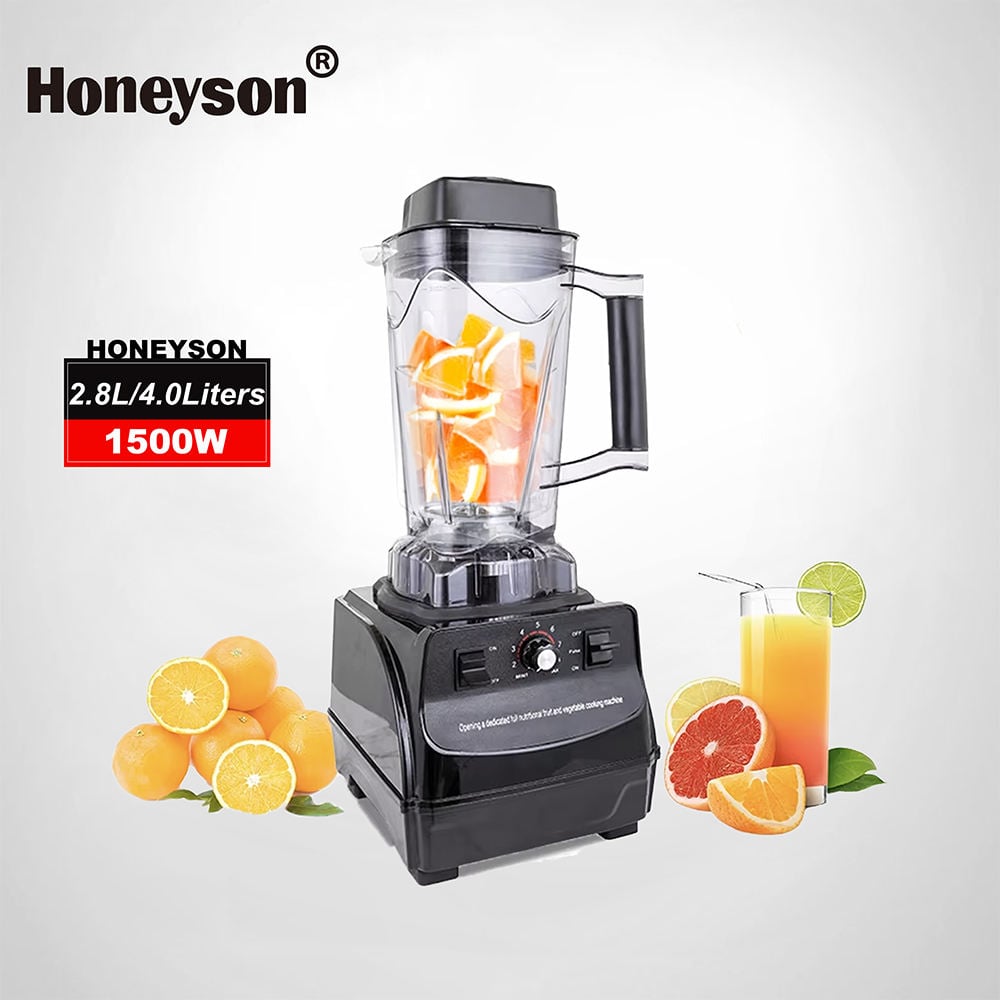
Approving a licuadora sample for mass production is one of the most critical decisions in manufacturing and sourcing. A thorough evaluation of your licuadora prototype ensures that the final product meets performance standards, quality expectations, and market demands. This process protects your investment, minimizes production delays, and prevents costly recalls or customer dissatisfaction downstream.

Evaluating a licuadora sample is not a simple pass-fail test. Instead, it requires a structured approach that examines motor performance, blade sharpness, container integrity, safety features, noise levels, and consistency across multiple operational cycles. Whether you are sourcing a personal licuadora for retail markets or a commercial-grade OEM licuadora for food service applications, systematic sample evaluation directly impacts supply chain reliability and brand reputation.
Licuadora Performance Testing and Motor Assessment
Motor Power and Speed Consistency
The motor is the heart of any licuadora, and its performance determines whether the unit can handle its intended workload. During sample evaluation, run the licuadora through multiple cycles using standard ingredients such as ice, frozen fruit, and leafy greens. Measure the time required to fully process each ingredient and assess whether the motor maintains consistent speed under load. A quality OEM licuadora should demonstrate stable RPM output without stuttering, surging, or unexpected shutdowns.
Pay attention to the licuadora's motor start-up behavior. Check whether the motor engages smoothly or jerks abruptly when switched on. Smooth engagement may indicate better bearing quality and electrical design. Record the temperature of the motor housing after extended use. Excessive heat generation can signal inadequate cooling design or motor inefficiency, potentially causing premature failure during mass production.
Vibration and Noise Levels
Vibration and noise are important factors when evaluating a licuadora sample because they significantly affect user experience and product durability. Use a sound level meter to measure decibel levels at standard operating speeds. Compare the readings against competitor benchmarks and your target specifications. Noise expectations may vary between a personal licuadora designed for household use and commercial-grade equipment intended for food service applications.
Excessive vibration in a licuadora may indicate misalignment between the motor shaft and blade assembly, poor coupling design, or worn bearings. Run the unit through repeated operating cycles and observe whether vibration increases over time. Rising vibration during extended operation may indicate accelerated wear that could become more serious during mass production. Record the findings and ask the supplier to investigate any abnormalities before approving the licuadora sample.
Licuadora Blade Quality and Container Integrity
Blade Sharpness and Material Durability
The blades are the primary contact point between the motor and ingredients, making blade quality essential when evaluating a licuadora before mass production. Examine the blade edges under magnification. Sharp, evenly beveled edges indicate precision manufacturing, while dull or irregular edges may suggest poor quality control. Test the licuadora by blending ice repeatedly if the model is designed for this purpose. A well-designed unit should process ingredients consistently within the manufacturer's specified performance range.
Material composition also matters when assessing licuadora durability. Stainless steel blades can resist corrosion and maintain performance over time, depending on the steel grade and manufacturing process. Request material certification from your supplier and verify that the blades meet applicable food-contact requirements. If the licuadora blades dull quickly, corrode, or deform during sample testing, ask the manufacturer to identify the cause before mass production begins.
Container Sealing and Structural Stability
A leaking container can undermine customer confidence in a licuadora immediately. Fill the sample container with colored water, secure it according to the manufacturer's instructions, and operate the unit under appropriate test conditions. Check the seal between the container and base, along with the integrity of all gaskets. Any liquid seepage may indicate inadequate sealing design, assembly problems, or unsuitable materials that need to be addressed before production approval.
Inspect the licuadora container for cracks, cloudiness, deformation, or stress marks after repeated use. These defects may worsen over time and lead to product failure. Also test the container's stability on the base unit. A properly engineered personal licuadora should fit securely without excessive wobbling during normal operation. Poor mechanical fitment can cause blade misalignment, uneven blending, and accelerated component wear.
Licuadora Safety, Compliance, and Production Readiness
Safety Feature Verification
Safety features are essential when evaluating a licuadora for mass production. Verify that the licuadora includes appropriate overload protection to shut off the motor if it stalls or encounters excessive resistance. Follow the manufacturer's approved testing procedure instead of deliberately inserting solid objects into a running blender. Confirm that protective mechanisms operate as specified and that the unit does not produce smoke, burning odors, or other signs of electrical or mechanical failure.
Examine the licuadora power cord for proper insulation, grounding where applicable, and strain relief at connection points. Check whether the finished product meets the safety and regulatory requirements of its target markets. Depending on the destination, relevant requirements may include UL certification or applicable European electrical safety and electromagnetic compatibility requirements. Verify the exact standards that apply to the product rather than assuming every certification is mandatory. Missing or invalid compliance documentation can expose your business to regulatory and commercial risks.
Documentation and Production Specifications
Before approving a licuadora for mass production, request detailed technical documentation, including electrical schematics, material specifications, assembly instructions, and quality control checkpoints. Compare the sample unit's actual dimensions and component details against the approved specifications. This helps confirm that the supplier can maintain consistent tolerances across production batches. Even minor deviations in motor mounting or container fitment can create reliability issues when thousands of licuadora units are manufactured.
If possible, audit the production facility before placing a bulk order for licuadora products. Observe the assembly process, material storage, and quality testing procedures. Ask about defect rate benchmarks and corrective action plans for common failure modes. A transparent supplier that can explain its production controls and improvement processes is generally easier to evaluate than one that avoids detailed questions. Document the agreed specifications and inspection criteria to reduce misunderstandings before mass production begins.
Licuadora Sample Evaluation FAQ
How many hours should I test a licuadora sample before approval?
The testing time for a licuadora sample depends on its intended application, motor specifications, and expected operating frequency. Develop a test plan that covers multiple operating cycles, representative ingredients, and the manufacturer's recommended duty cycle. For a commercial licuadora, additional endurance testing may be necessary to assess thermal performance and component wear. Rather than relying on a universal number of hours, define acceptance criteria and record any changes in performance before approving mass production.
What are the key differences between a personal licuadora and an OEM licuadora sample?
A personal licuadora is generally designed for smoothies, frozen fruit, and light food preparation, so evaluation should focus on blending consistency, noise, ease of cleaning, and everyday durability. An OEM licuadora intended for commercial food service may require more demanding tests for repeated operation, thermal management, maintenance, and serviceability. Buyers should assess each licuadora against its intended market, technical specifications, and expected workload. Both types require appropriate safety verification and documented quality standards.
What should I do if a licuadora sample fails critical tests?
If a licuadora sample fails a critical test, withhold production approval and request corrective action from the supplier. Identify the root cause, whether it involves motor performance, assembly quality, material selection, sealing, or product design. Ask the manufacturer to implement corrective measures and provide a revised licuadora sample for retesting. Repeat the relevant tests and document the results before authorizing mass production. Resolving these issues during sampling can reduce the risk of widespread defects, shipment delays, and customer complaints.
