
 EN
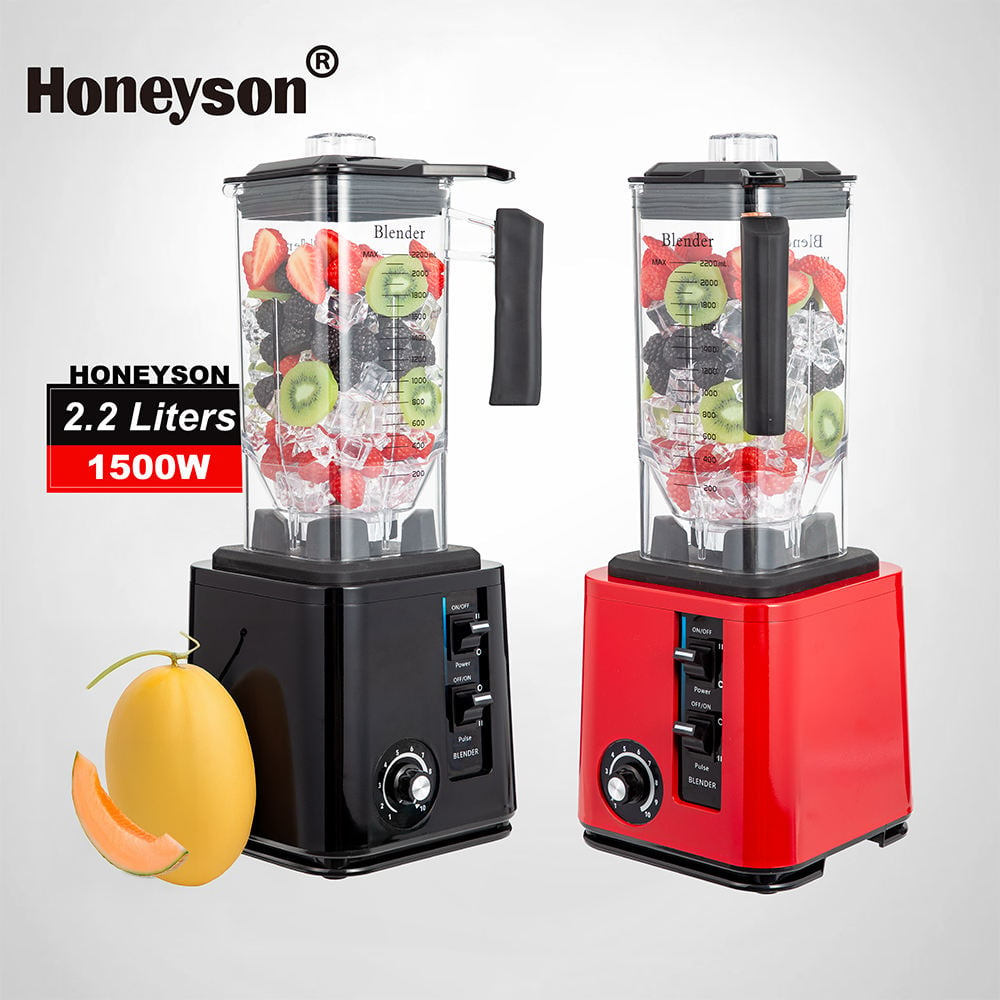
Understanding blender safety features is essential for buyers seeking reliable kitchen equipment that protects users while delivering consistent performance. A licuadora equipped with proper locking mechanisms and safety interlocks represents the intersection of functionality and user protection, making it a critical investment for both commercial and residential applications.
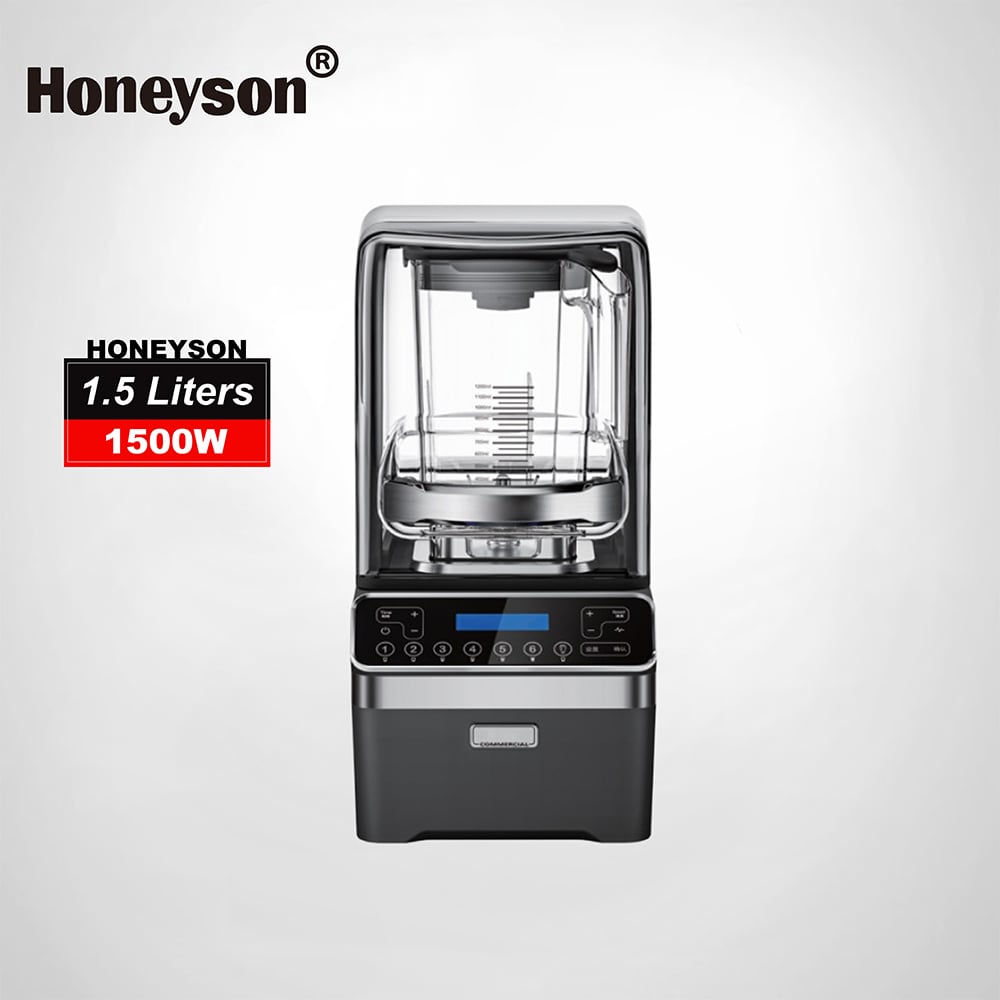
Safety interlocks in modern blender designs prevent accidental operation by ensuring the pitcher or container is properly seated before the motor engages. These mechanical and electronic safeguards have become standard in quality OEM blender manufacturing, protecting against injuries while ensuring consistent product performance. Understanding how these systems work empowers buyers to select equipment that meets both operational demands and safety standards.
Core Safety Interlock Technologies
Mechanical Locking Systems
Mechanical locking mechanisms represent the foundation of blender safety architecture. These systems use physical contact points and lever-based activation to confirm proper pitcher positioning before motor engagement. When a pitcher is placed incorrectly or incompletely on the base of a personal blender, the mechanical lock prevents the power button from activating the motor circuits. This failsafe approach requires no electrical components to function, making it exceptionally reliable across various operational conditions.
The mechanical design typically incorporates spring-loaded tabs or latches that must align with corresponding grooves on the pitcher rim. Only when these components perfectly mate does the locking mechanism release, allowing current to flow to the motor. Premium OEM blender models often feature reinforced locking pins made from durable polymers or metal alloys, ensuring consistent performance after thousands of cycles without degradation or wear.
Electronic Safety Sensors
Electronic sensors have revolutionized blender safety by adding intelligent detection capabilities beyond mechanical constraints. Proximity sensors or magnetic switches can detect whether a pitcher is seated on the base unit, sending signals to the motor control circuit. If the sensor does not detect proper pitcher placement, the electronic control board prevents motor activation regardless of button input. This dual-layer approach combines mechanical reliability with electronic precision.
Modern personal blender designs increasingly integrate capacitive touch sensors that verify pitcher contact in real time. These sensors communicate with microprocessor units that manage power distribution to the motor. If the pitcher is removed during operation, sensors immediately trigger a motor shutdown sequence, preventing continued blade rotation and potential injury. OEM blender manufacturers using advanced electronics typically include redundant sensor systems to eliminate single points of failure.
Interlock Engagement and Operational Workflow
Activation Sequence and User Safety
The interlock activation sequence in a quality blender follows a predictable workflow designed to minimize user error and injury risk. First, the user places the pitcher or container onto the base unit, aligning the locking tabs with the pitcher grooves. The mechanical locking mechanism engages, confirming proper seating. Simultaneously, electronic sensors verify pitcher placement through proximity detection or switch activation. Only after both conditions are satisfied does the control circuit allow the motor to engage when the user presses the power button.
This sequential approach ensures that no single failure point compromises safety. Even if an electronic sensor malfunctions, the mechanical lock still prevents accidental operation. Conversely, even if a mechanical latch becomes worn, electronic detection provides backup protection. Premium OEM blender designs often include audible or visual feedback, such as beeps or LED indicators, confirming that interlocks are properly engaged before operation begins.
Pitcher Removal and Auto-Shutdown Protocols
Advanced blender models incorporate auto-shutdown protocols that immediately halt motor operation if the pitcher is removed during blending. This feature prevents continued blade rotation in an empty chamber, which could damage the motor or create vibration hazards. Sensors continuously monitor pitcher presence throughout the entire blending cycle, maintaining real-time safety oversight. When pitcher separation is detected, motor power cuts instantly, with the blade coasting to a stop through inertia over approximately two to three seconds.
This auto-shutdown capability distinguishes modern personal blender technology from older mechanical designs. The response time is typically under 100 milliseconds, ensuring user protection before conscious reaction is possible. Commercial and OEM blender applications particularly benefit from this feature, as high-volume usage environments increase the statistical likelihood of accidental pitcher removal during operation. Buyers selecting equipment for busy kitchens should prioritize models with proven auto-shutdown performance records.
Selecting and Maintaining Blender Locking Systems
Evaluation Criteria for Buyers
When evaluating blender safety features, buyers should examine documentation clearly describing the specific interlock mechanisms used in each model. Quality OEM blender manufacturers provide transparent technical specifications detailing both mechanical and electronic safety components. Testing reports or third-party certifications confirming interlock reliability offer additional assurance. A personal blender with dual safety systems—combining mechanical locking and electronic sensing—represents the current best practice in injury prevention and user protection.
Hands-on inspection reveals crucial details about interlock quality. Mechanical locking tabs should feel firm yet responsive, engaging smoothly without excessive force required for pitcher placement. Electronic components should be protected from moisture and dust exposure, critical in kitchen environments. The pitcher itself should feature clearly defined locking grooves without cracks, gaps, or manufacturing defects that could compromise interlock engagement. Buyers testing equipment in-store or during demonstrations should specifically verify that the power button remains unresponsive until the pitcher is fully seated.
Maintenance and Longevity Considerations
Proper maintenance preserves blender locking mechanism reliability and extends equipment lifespan significantly. Regular cleaning of the pitcher locking grooves and base locking tabs prevents debris buildup that could interfere with engagement. Mechanical components benefit from occasional inspection for wear or damage, particularly in commercial environments with heavy daily usage. Buyers should follow manufacturer guidance on cleaning protocols, avoiding abrasive materials that could damage locking surfaces or electronic sensor components on their OEM blender or personal blender.
Replacement pitcher compatibility represents an important consideration for long-term equipment value. Original manufacturer pitchers are engineered to match interlock specifications precisely, ensuring reliable engagement with base units. Aftermarket or mismatched pitchers may have incompatible locking groove dimensions, compromising safety and potentially causing interlock failure. Buyers investing in quality blender equipment should plan for genuine replacement parts, budgeting for pitcher replacement approximately every three to five years depending on usage intensity and maintenance practices.
FAQ
Why do blender locking mechanisms fail in some models?
Locking mechanism failures typically result from manufacturing defects, material degradation, or poor design integration. Low-quality plastic components in budget-priced models become brittle and crack after repeated use. Electronic sensors may fail due to moisture exposure or electrical surges in commercial environments. Some OEM blender designs fail to redundantly protect against single failure points, leaving users vulnerable if one component malfunctions. Buyers should prioritize manufacturers with reputation for reliability testing and quality control standards throughout production.
Can a personal blender operate without interlocks engaged?
No—a properly designed personal blender or OEM blender should not activate unless safety interlocks confirm proper pitcher seating. Attempting to bypass or disable interlocks represents dangerous misuse and typically voids warranty coverage. Some defective models may have manufacturing errors allowing operation without proper pitcher placement, but this indicates a safety flaw requiring manufacturer service or product replacement. Users who encounter unintended operation without pitcher engagement should immediately discontinue use and contact the manufacturer, as this condition poses serious injury risk.
How do electronic safety sensors differ from mechanical locks?
Mechanical locks rely on physical contact between the pitcher and base to prevent motor activation, offering passive, maintenance-free protection that functions without electricity. Electronic sensors actively detect pitcher placement through proximity sensors or switches, offering real-time monitoring and auto-shutdown capabilities that mechanical systems cannot provide. Most modern quality blenders use both technologies together—mechanical locks ensure basic activation prevention while electronic sensors provide additional safety layers and operational intelligence. OEM blender manufacturers typically employ this combined approach to achieve the highest possible user protection standards.
