
 EN
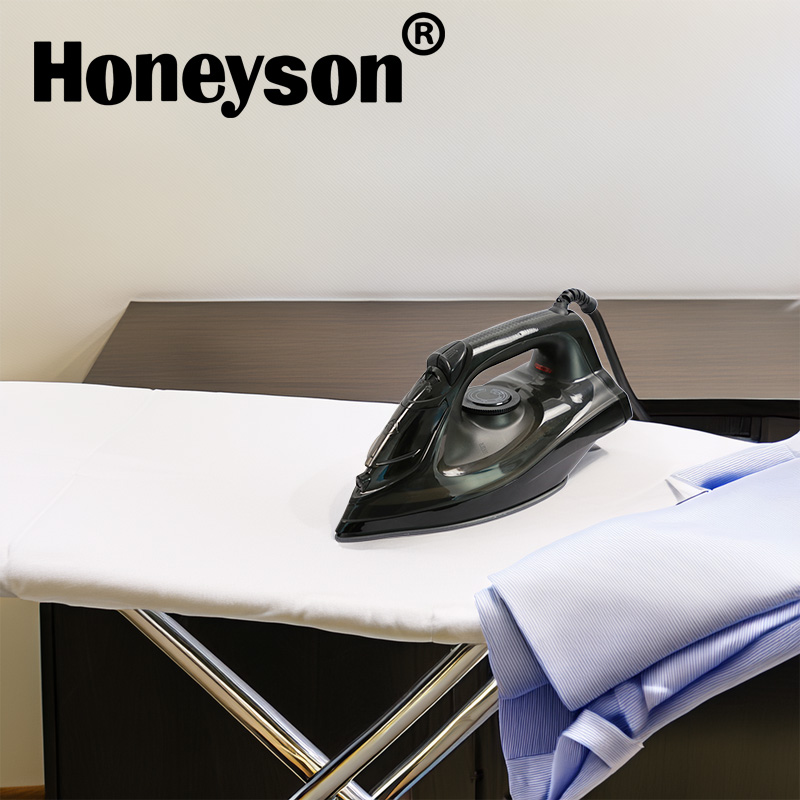
The choice between basic and premium guest supplies represents one of the most strategic decisions hotel operators face when positioning their property in the market. Guest supplies encompass everything from toiletries and linens to in-room appliances and amenities, and this selection directly influences guest experience, operational costs, and brand perception. Properties that understand the nuanced differences between these two tiers can optimize their positioning to attract the right customer segment while maintaining healthy profit margins.
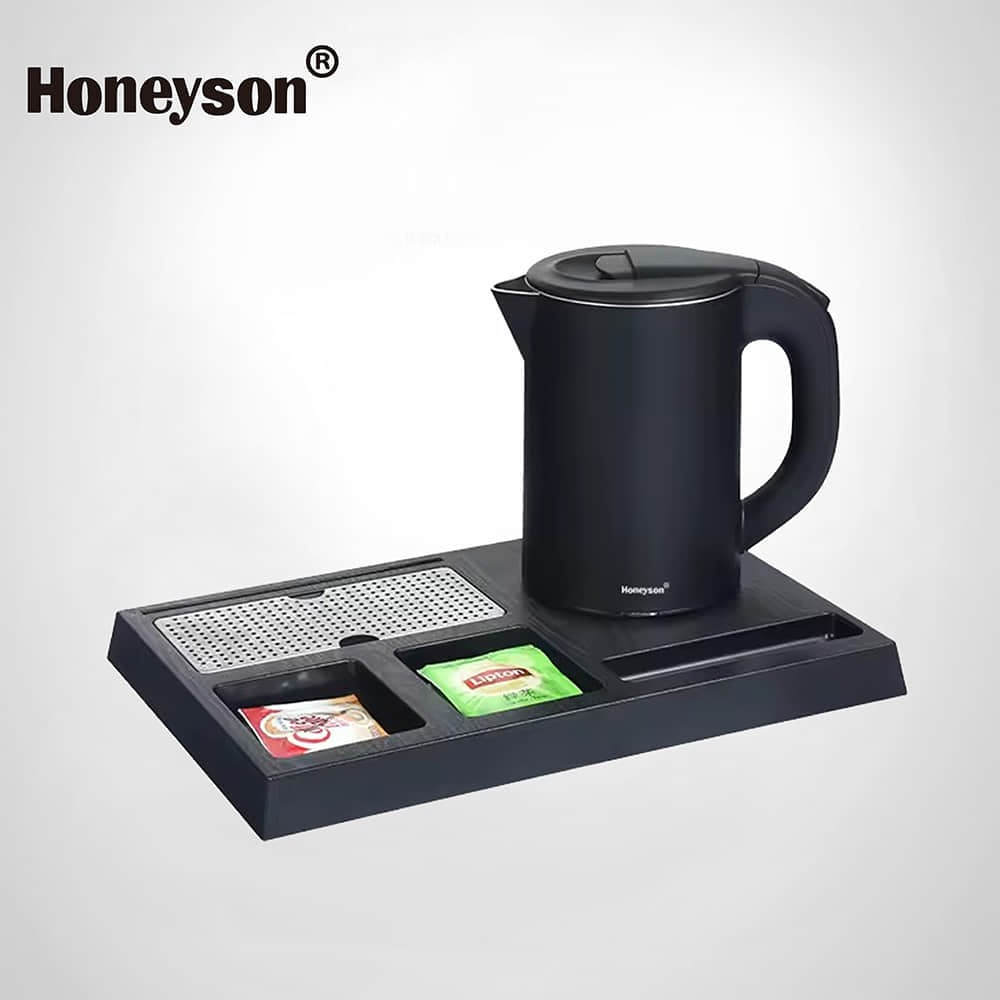
Hotel room appliances and guest room supplies function as silent brand ambassadors. When guests encounter quality amenities during their stay, they form lasting impressions about the property's commitment to service excellence. Conversely, budget-tier offerings can signal cost-consciousness or neglect, potentially damaging repeat booking rates. The strategic deployment of OEM guest supplies—original equipment manufacturer products—allows hotels to balance authenticity with cost control, creating consistent experiences across multiple properties.
Understanding Basic Guest Room Supplies and Market Positioning
Cost Structure and Budget Appeal
Basic guest supplies focus on functional essentials: standard shampoo, soap, towels, and generic in-room amenities. Hotels selecting this approach prioritize operational efficiency and margin preservation. Properties positioned as budget or value chains depend on basic guest room supplies to maintain competitive pricing. These items typically cost 40–60% less than premium equivalents, allowing properties to absorb room rate pressure while sustaining profitability. However, this economy approach carries risks. Guests in the mid-market segment increasingly expect baseline comfort standards, and overtly cheap supplies can trigger negative online reviews.
Market Segment Fit and Guest Expectations
Basic guest supplies work best for specific market segments: highway motels, transit hotels, student accommodations, and corporate temporary lodging. These properties attract price-sensitive travelers focused on clean rooms and functional amenities rather than luxury. Guest supplies at this tier must still meet hygiene and safety standards, but they need not emphasize premium ingredients, designer packaging, or unusual features. OEM guest supplies sourced through cost-effective channels ensure consistency without sacrificing compliance. Properties using basic guest room supplies should reinforce their value proposition through other channels—cleanliness standards, technology offerings, or location convenience—rather than competing on amenity quality alone.
Premium Guest Supplies and Competitive Differentiation
Experience-Driven Revenue Impact
Premium guest supplies represent investment in experiential differentiation. Upscale hotels, resorts, and destination properties deploy high-end toiletries, Egyptian cotton linens, and curated hotel room appliances to justify rate premiums and drive repeat bookings. Guest supplies at the premium tier often feature recognized brands, specialized formulations, and aesthetic presentation. This strategy directly impacts revenue: studies show that 60–70% of guests notice premium amenity quality, and nearly 40% factor this into repeat booking decisions. Premium guest room supplies also reduce guest friction—fewer complaints about towel quality, soap effectiveness, or kettle reliability mean lower service desk workload and better online ratings.
Brand Identity and Market Perception
Selection of premium guest supplies communicates brand values and market positioning. A luxury hotel chain using mid-tier toiletries risks perception of inconsistency or decline. Conversely, a boutique property can build identity around curated, locally sourced guest supplies that align with its story. OEM guest supplies from recognized manufacturers—particularly in hotel room appliances like kettles, coffee makers, and bathroom fixtures—strengthen brand credibility. Hotels report that premium guestsupplies correlate with higher Net Promoter Scores and increased ancillary spending. Guests who perceive quality in room amenities often purchase additional services, spa treatments, or extended stays.
Strategic Decision Factors for Hotel Positioning
Segment Selection and Rate Architecture
Choosing between basic and premium guest room supplies must align with target segment and rate positioning. A property charging $80 per night cannot justify premium guest supplies economically, but one charging $200+ per night risks reputation damage with basic offerings. Guest supplies selection should reflect the gap between competitive sets. If competitors at similar rate points offer premium in-room amenities, investing in comparable guest room supplies becomes necessary for competitive parity. OEM guest supplies allow hotels to source recognized quality at moderate costs—offering premium perception without luxury price tags. Properties should audit their competitive set quarterly, monitoring guest supply quality trends and guest feedback related to amenities.
Lifecycle and Inventory Implications
Basic guest supplies require frequent replacement but lower per-unit cost and simpler storage. Premium guest supplies demand higher inventory investment, more careful handling, and potential waste if quality deteriorates. Hotel room appliances present distinct challenges: premium kettles and coffee makers require maintenance contracts and replacement parts, while basic units generate higher failure rates but lower upfront capital. Procurement strategy shapes operational efficiency—hotels using standardized OEM guest supplies benefit from volume discounts, simplified supply chains, and warranty consistency. Properties should calculate total cost of ownership, not just unit cost, when evaluating basic versus premium guest room supplies. A premium kettle lasting three years outperforms a basic unit replaced twice annually.
FAQ
What impact do premium guest supplies have on guest satisfaction scores?
Premium guest supplies directly correlate with higher satisfaction ratings, particularly in cleanliness, comfort, and value perception categories. Hotels reporting 4.5+ star ratings typically invest in recognizable guest room supplies brands and maintain consistent quality standards. Guest supplies featuring visible brand names, effective formulations, and durable hotel room appliances reduce complaint volume and increase likelihood of positive reviews mentioning amenities. Properties upgrading from basic to premium guest supplies often see satisfaction score improvements of 10–15% within six months, translating to higher repeat booking rates and stronger online visibility.
Can basic guest supplies support a luxury hotel positioning?
No. Luxury hotels depend on premium positioning across all guest touchpoints, including guest room supplies. Deploying basic supplies contradicts luxury brand messaging and triggers negative guest perception despite other amenities. However, luxury properties can optimize costs using high-quality OEM guest supplies rather than ultra-premium designer brands. Selecting mid-tier premium options—quality hotel room appliances, branded toiletries, luxury linens—allows luxury properties to maintain positioning while controlling operational costs. The key distinction is guest perception; basic guest supplies undermine luxury positioning regardless of other factors.
How should hotels transition between basic and premium guest supplies?
Strategic transitions require phased implementation across departments and properties. Begin by upgrading high-visibility items: hotel room appliances like kettles, towels, and toiletries visible on guest room surfaces. Monitor guest feedback during this phase to validate market reception. Expand premium guest room supplies gradually to secondary items as budget allows. Properties managing multiple locations should pilot premium guest supplies at one property first, measuring impact on satisfaction, bookings, and costs before rolling out across the portfolio. This approach allows hotels to validate ROI on premium guestsupplies investments before full commitment.
