
 EN
The success of any blender product depends on understanding how OEM blender wattage and speed settings align with specific market demands. Whether you're designing a personal blender for home use or an industrial-grade licuadora for commercial kitchens, matching specifications to target markets is critical for competitive positioning and customer satisfaction. OEM blender wattage determines raw processing power, while speed settings control precision and versatility across different applications and ingredient types.
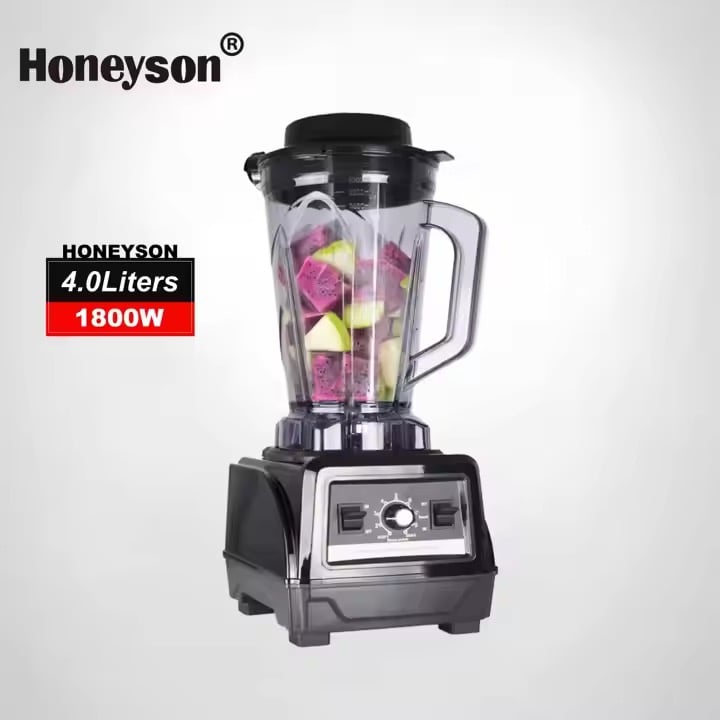
A strategic approach to blender development requires clear segmentation by end-user needs, kitchen environment, and volume expectations. The right combination of OEM blender wattage and speed settings creates a competitive advantage, reduces warranty claims, and builds brand loyalty. Understanding these technical foundations helps manufacturers and distributors make informed decisions about which licuadora specifications best serve their market position.
Understanding OEM Blender Wattage Requirements Across Market Segments
Consumer Personal Blender Power Needs
A personal blender typically operates between 300 and 600 watts, making it ideal for individual smoothies, protein shakes, and light food preparation. This wattage range is efficient for home kitchens where space and noise are considerations. Personal blender users prioritize convenience and ease of cleaning over industrial-scale production, so moderate wattage delivers sufficient performance without excessive power consumption or heat generation.
Commercial and OEM Blender Power Specifications
Commercial applications demand significantly higher OEM blender wattage, typically ranging from 1000 to 3000 watts or more. An OEM blender built for restaurants, juice bars, or food manufacturing facilities must handle continuous operation, larger batch volumes, and tougher ingredients like frozen fruits, ice, and nut butters. Higher OEM blender wattage ensures consistent blending quality, reduces processing time per batch, and maintains motor longevity under demanding daily use. Manufacturers targeting the commercial segment recognize that undersized motors lead to poor customer satisfaction and increased service calls.
Speed Settings and Performance Flexibility for OEM Blenders
Variable Speed Control for Precision Blending
Modern blender designs incorporate multiple speed settings to accommodate diverse recipes and ingredient types. A typical personal blender might offer three to five speed levels, allowing users to pulse soft ingredients or achieve high-speed emulsification for nut butters and frozen drinks. Speed versatility directly impacts customer perception of product quality and increases the perceived value of a personal blender in competitive retail markets.
Commercial OEM blender models often feature ten or more speed increments, plus pulse and variable-speed modes, enabling professional chefs and food service operators to achieve precise consistency in soups, sauces, smoothie bowls, and specialty beverages. When paired with proper OEM blender wattage, speed control becomes a key selling point because it reduces operator training time and expands the product's application range within food service environments.
Matching Speed Capabilities to Market Expectations
Target market research reveals clear expectations: budget-conscious consumers accept basic speed settings, while professional kitchens demand granular control. A personal blender priced for value-conscious shoppers can succeed with two or three speeds, whereas an OEM blender positioned for high-end restaurants or catering services requires advanced speed options. Balancing OEM blender wattage and speed complexity reduces returns, improves online reviews, and strengthens brand reputation within each segment.
Strategic Specification Alignment with Market Positioning
Technical Specifications Drive Market Entry and Growth
Successful blender manufacturers recognize that OEM blender wattage and speed specifications must match the precise needs of their target market segment. Entry-level personal blender consumers prioritize affordability and basic functionality, accepting lower wattage and simpler speed controls. Mid-market buyers seek better durability and performance, justifying higher wattage and improved speed flexibility. Commercial and OEM blender buyers invest in premium specifications because their business profitability depends on consistent, reliable equipment performance and operational efficiency.
Misalignment between specifications and market positioning creates margin compression or product rejection. Overspecifying a personal blender with commercial-grade wattage raises cost without corresponding consumer value perception. Underspecifying an OEM blender with insufficient OEM blender wattage or limited speed options damages professional reputation and generates negative feedback in food service channels. Strategic specification design balances customer expectations, manufacturing cost, competitive positioning, and long-term brand equity.
Global Market Variations and Regional Preferences
Different geographic markets exhibit distinct preferences for blender specifications and price points. Regions with established juice bar and smoothie shop cultures tend to favor high-performance commercial blenders with broad speed ranges and higher OEM blender wattage. Markets with growing home health consciousness show rising demand for multi-function personal blenders at mid-range price points. Manufacturers developing products for export markets must research local food service standards, electrical infrastructure, and consumer purchasing patterns to align OEM blender wattage and speed specifications appropriately.
FAQ
What wattage should a personal blender have for everyday home use?
A personal blender suitable for daily home use typically requires 400 to 600 watts. This wattage range handles smoothies, protein shakes, soups, and light food processing efficiently without excessive noise, heat, or power consumption. Most retail personal blender products in this wattage category deliver reliable performance for five to seven years with normal household use.
How do commercial OEM blender wattage requirements differ from consumer models?
Commercial OEM blender units operate at 1500 to 3000 watts or higher because this OEM blender wattage supports larger volumes continuously throughout the business day while handling dense, difficult ingredients. Commercial environments require faster processing times, consistent results across hundreds of blending cycles daily, and motor durability that justifies significant capital investment. A personal blender at 500 watts cannot match the speed or reliability needed for a busy food service operation.
Why do speed settings matter when choosing a blender for specific applications?
Speed settings determine blending precision and ingredient suitability. Lower speeds work well for soft ingredients, while high speeds efficiently process frozen fruits, ice, and tough vegetables. Variable speed control, matched with suitable OEM blender wattage, allows the same blender to create smoothie bowls at moderate speeds and then shift to high-speed nut butter processing without purchasing separate equipment, maximizing product versatility and customer satisfaction across diverse applications.