
 EN
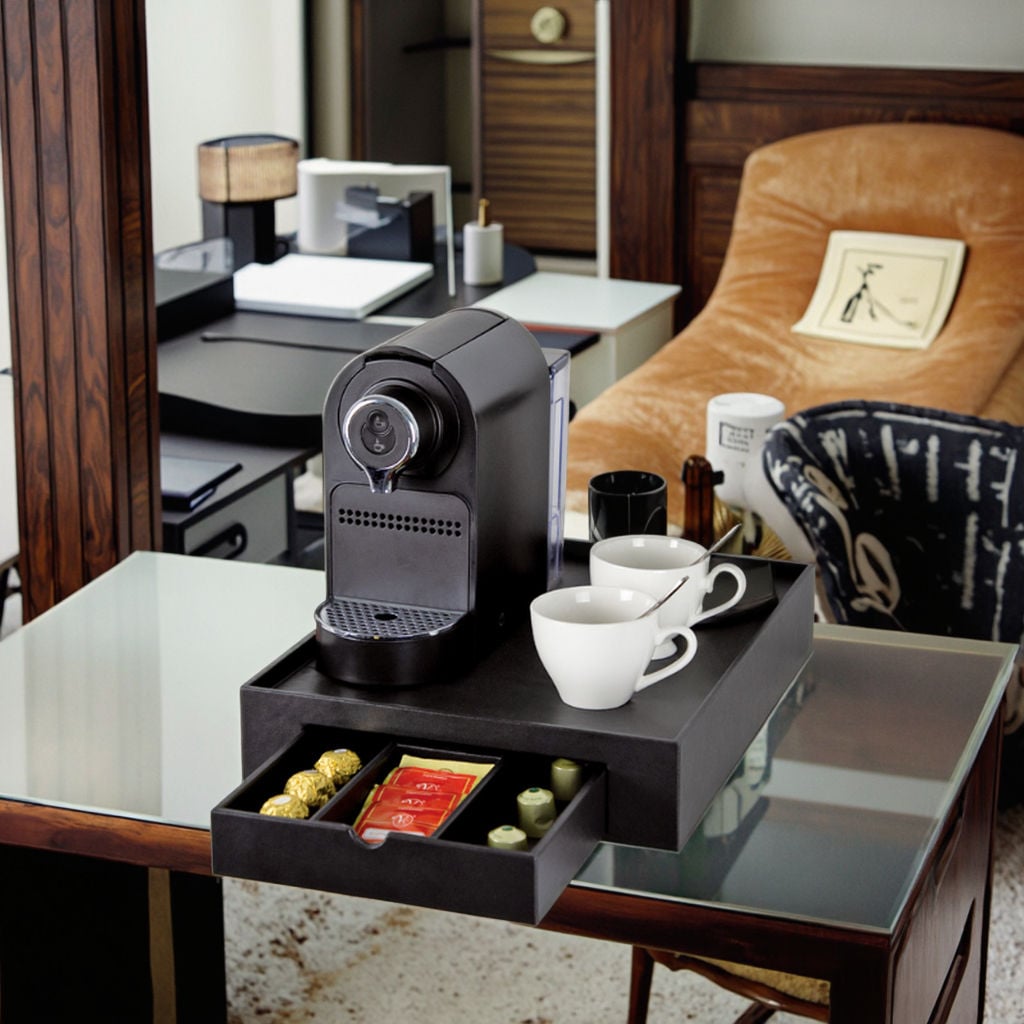
Large hospitality projects demand precision, coordination, and strategic planning from every stakeholder involved. When hotel chains, resort operators, or hospitality groups launch new properties or undergo major renovations, they depend on reliable hospitality suppliers to deliver consistent, high-quality products on schedule. Factory capacity planning plays a critical role in making this possible. By aligning manufacturing capabilities with project timelines and volume requirements, hospitality suppliers can ensure that guest room equipment, linens, fixtures, and other essential items arrive when needed, in the quantities required, and at the quality standards that define modern hospitality experiences.

For hospitality projects, factory capacity planning is not just an operational detail—it is a strategic advantage. Projects involving hundreds or thousands of rooms require careful orchestration of hospitality supplies across multiple procurement cycles. Effective capacity planning ensures that OEM hospitality equipment manufacturers can scale production without compromising quality, meet aggressive delivery windows, and adapt to last-minute design changes or volume adjustments that frequently occur in large-scale hospitality construction.
Understanding Capacity Constraints and Project Demands
The Scope of Large Hospitality Projects
Large hospitality projects typically involve the simultaneous procurement of thousands of items. A single 500-room hotel requires not just beds and furniture, but also bathroom fixtures, lighting systems, climate control units, art and décor, operational equipment for kitchens and laundries, and guest room equipment ranging from televisions to minibar systems. When multiple properties are under development in the same region or timeline, the aggregate demand for hospitality supplies can strain manufacturing capacity across entire supplier networks.
Hospitality suppliers must forecast demand months in advance, secure raw materials, allocate production line time, and coordinate logistics. Without robust capacity planning, suppliers risk either undersupply—missing project deadlines and disappointing clients—or oversupply, which ties up capital in excess inventory and increases storage costs. Large hospitality projects operate on compressed timelines where delays cascade rapidly, affecting construction schedules, project financing, and grand opening dates.
Aligning Production with Delivery Windows
Hotel room appliances and guest room equipment must arrive in phases aligned with construction progress. Early phases might focus on structural systems and core infrastructure, while later phases concentrate on finishes, furniture, and operational readiness. Effective capacity planning ensures that OEM hospitality equipment is manufactured and staged to arrive precisely when installation teams are ready. This synchronization reduces on-site storage needs, minimizes the risk of damage or obsolescence, and keeps the project moving forward smoothly.
Strategic Planning for Seamless Supply Chain Execution
Demand Forecasting and Volume Coordination
Demand forecasting is the foundation of factory capacity planning for hospitality suppliers. Project teams provide detailed specifications—room configurations, material finishes, appliance models, and installation schedules—sometimes 12 to 18 months ahead of delivery. Leading hospitality supplies providers build forecasting models that account for seasonal demand spikes, project clustering, and market volatility. They communicate rolling forecasts to manufacturing partners, allowing factories to adjust staffing, machine utilization, and raw material procurement accordingly.
Volume coordination becomes complex when multiple large hospitality projects compete for the same pool of OEM hospitality equipment manufacturers. Capacity planning professionals negotiate production schedules, secure committed allocation slots, and establish priority protocols. Some suppliers establish dedicated production lines or reserve capacity for key clients, ensuring that critical timelines are protected even when market demand surges unexpectedly.
Quality Assurance Within Capacity Constraints
Scaling production to meet large hospitality projects must never compromise quality. Guest room equipment must function flawlessly, maintain aesthetic appeal, and meet regulatory and safety standards across entire property portfolios. Factory capacity planning includes rigorous quality protocols—increased inspection frequencies, enhanced testing procedures, and statistical process control measures—to maintain standards even as production volumes increase. Hospitality suppliers invest in quality infrastructure that scales alongside manufacturing capacity, ensuring that faster production does not mean lower quality.
Operational Benefits and Competitive Advantages
Cost Efficiency and Economic Viability
Efficient capacity planning reduces the operational costs that hospitality supplies providers pass to large project developers. When factories operate at optimized capacity utilization rates, fixed costs are spread across larger production volumes, improving unit economics. Predictable demand reduces inventory holding costs and obsolescence risk. Better-planned logistics reduce transportation inefficiencies. These operational savings make it possible for hospitality suppliers to offer competitive pricing while maintaining healthy margins and reinvesting in equipment and expertise that further strengthens their capacity.
Scalability and Flexibility
Strategic capacity planning enables OEM hospitality equipment manufacturers to grow with their largest clients. By maintaining visibility into multi-year pipelines and understanding client growth trajectories, suppliers can make informed capital investments in manufacturing equipment, facility expansion, and workforce development. This scalability ensures that established hospitality suppliers can reliably serve large projects without requiring clients to develop contingency supply networks or accept extended lead times. Capacity planning also allows suppliers to absorb demand volatility—if one large project slips, manufacturers can redirect capacity to other hospitality supplies needs or operational requirements.
Building Long-Term Client Relationships
When hospitality suppliers consistently deliver on large, complex projects through disciplined capacity planning, they earn trusted partner status with major hotel operators and property developers. This trust translates into preferred vendor relationships, longer-term contracts, and early access to new project pipelines. For clients managing large hospitality projects, having suppliers who demonstrate mastery over factory capacity planning reduces risk, ensures delivery certainty, and simplifies vendor management across a complex procurement ecosystem.
FAQ
How far in advance should hospitality suppliers plan capacity for major projects?
Leading hospitality suppliers maintain rolling forecasts spanning 12 to 18 months, with detailed visibility into committed projects at least 9 to 12 months ahead. This horizon allows time for raw material sourcing, production scheduling, and logistics coordination. For hotel room appliances and critical OEM hospitality equipment, even longer visibility is valuable to secure reliable component supplies and allocate premium manufacturing capacity.
What happens if actual demand differs from forecasted volumes for hospitality supplies?
Effective capacity planning includes flexibility mechanisms and contingency buffers. Hospitality suppliers typically negotiate flexibility bands into supply agreements—allowing clients to increase orders by 10–15% without penalty or decrease with reasonable notice. Manufacturers maintain some uncommitted capacity to absorb unexpected demand spikes. Regular forecast updates between supplier and client teams help catch divergences early, allowing adjustments before they become crises affecting guest room equipment or other critical deliverables.
Can small and mid-sized hospitality suppliers handle large project demands?
Size does not automatically determine capacity capability. Some smaller hospitality suppliers partner strategically with specialized manufacturers, negotiate exclusive relationships with niche product categories, or focus on geographic markets where large projects are concentrated. However, truly large multi-property hospitality projects typically require suppliers with proven experience, substantial manufacturing footprint, or access to partner networks that collectively provide the scale, reliability, and agility that complex hotel room appliances and OEM hospitality equipment sourcing demands.