
 EN
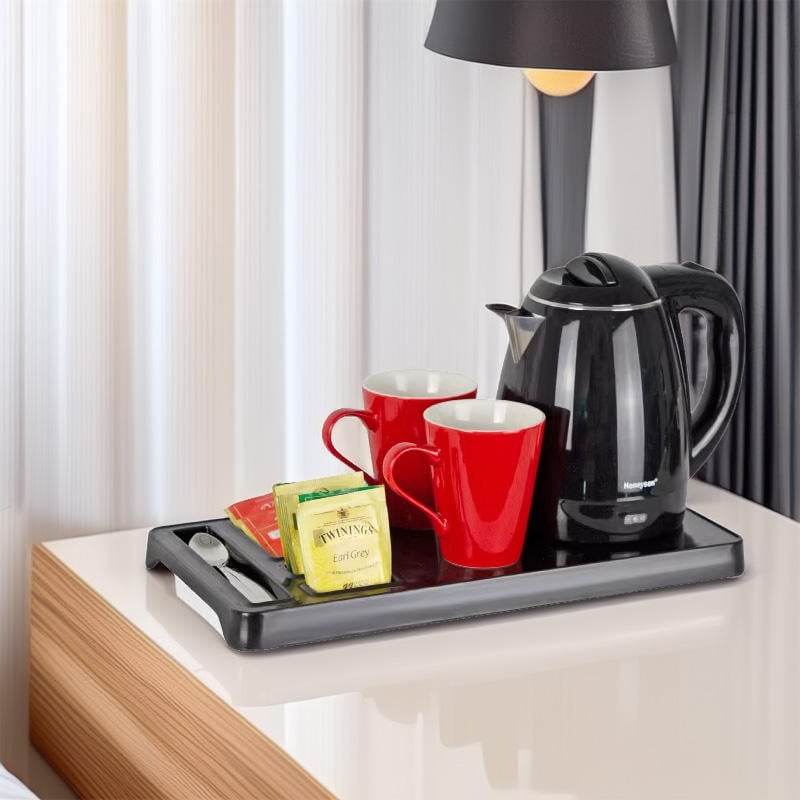
Energy efficiency standards are fundamentally reshaping how hospitality suppliers design and manufacture equipment for the lodging industry. Hotel operators face mounting pressure to reduce operational costs and meet environmental compliance requirements, creating a direct impact on the specifications that OEM hospitality equipment must meet. Understanding these regulatory drivers is essential for anyone involved in sourcing, specifying, or managing guest room equipment in modern hotel operations.

The connection between energy efficiency targets and appliance specifications goes deeper than simple wattage reduction. When regulatory bodies establish efficiency mandates, hospitality supplies manufacturers must reimagine component selection, insulation methods, motor technology, and control systems. This transformation affects every category of hotel room appliances, from HVAC units and refrigeration to lighting and water heating systems. The shift creates both challenges and opportunities for hospitality suppliers working to balance performance, durability, guest comfort, and energy compliance.
Understanding Energy Efficiency Regulatory Framework
Global Compliance Standards for Hospitality Equipment
Energy efficiency regulations vary significantly by region, but nearly all developed markets have established mandatory efficiency thresholds for commercial appliances. The European Union's Ecodesign Directive, the U.S. Department of Energy standards, and similar frameworks in Asia establish minimum efficiency requirements that directly influence how OEM hospitality equipment is engineered. Hotel room appliances sold in these jurisdictions must meet or exceed prescribed performance metrics, often expressed as energy consumption per unit output or seasonal efficiency ratings.
Hospitality supplies manufacturers must track multiple regulatory regimes simultaneously, as large hotel chains operate properties across different countries and compliance zones. A guest room equipment specification that works in one market may not satisfy requirements in another. This complexity means that hospitality suppliers increasingly develop modular designs that can be adjusted to meet region-specific standards without complete redesign. Understanding these regulatory layers is essential for procurement teams selecting appliances for multi-property portfolios.
Impact of Government Energy Targets on Appliance Design
Governments set specific energy reduction targets that cascade through entire industries. When a jurisdiction mandates a 25% efficiency improvement over a baseline model within a defined timeframe, hotel room appliances must be redesigned to achieve that target. This regulatory pressure forces hospitality supplies manufacturers to innovate in motor efficiency, thermal management, electronic controls, and system architecture. The specifications that result reflect these mandated targets, meaning appliances purchased today incorporate technologies driven by efficiency policies established years earlier.
The timeline for these changes matters significantly to hotel operators and hospitality suppliers alike. Many regulations include phase-in periods where early compliance earns market advantages or cost benefits. OEM hospitality equipment designed to exceed future standards can command premium pricing, while products built to minimum current standards risk premature obsolescence. Strategic procurement requires understanding whether energy targets are tightening on the horizon and whether guest room equipment specifications should anticipate future requirements.
Specification Changes Driven by Energy Efficiency Targets
Motor and Component Technology Evolution
Energy efficiency targets have sparked rapid adoption of higher-efficiency motor technologies in hospitality supplies. Brushless direct current motors, electronically commutated motors, and variable frequency drives have become standard in new hotel room appliances where they were once premium options. These technologies reduce energy consumption by 20–40% compared to earlier designs while offering improved control precision and extended operational lifespan. Hospitality suppliers have redesigned product architectures to accommodate these components, often increasing upfront material costs but delivering substantial lifecycle value through reduced utility consumption.
Thermal management improvements represent another critical specification shift. Enhanced insulation materials, reflective coatings, and optimized heat exchanger designs allow guest room equipment to maintain performance with less energy input. OEM hospitality equipment now incorporates aerogel insulation, vacuum-sealed cavities, and advanced fin geometries that were unavailable or cost-prohibitive a decade ago. These material choices directly stem from energy efficiency targets that made traditional approaches uncompetitive. Hospitality supplies manufacturers now routinely specify these components as baseline requirements rather than optional upgrades.
Control Systems and Operational Intelligence
Smart controls and operational intelligence have become integral to meeting energy efficiency targets. Hotel room appliances increasingly include occupancy sensors, demand-responsive features, and networked monitoring capabilities that optimize energy use in real time. These control systems reduce wasted energy from continuously operating equipment in unoccupied spaces or during off-peak periods. Hospitality suppliers have embedded these technologies into product firmware, making energy management an inherent feature rather than an add-on. The specifications for guest room equipment now routinely include communication protocols, sensor integration points, and energy reporting capabilities that enable property-level analytics.
The shift toward intelligence-driven efficiency has expanded the role of OEM hospitality equipment beyond simple functionality. Products now contribute to building energy management systems, providing granular consumption data that hotel operators use for optimization and reporting. Hospitality supplies that can integrate with property management systems and energy monitoring platforms command market preference. This capability-driven competition has created new specification requirements that did not exist previously, fundamentally changing how procurement teams evaluate guest room equipment options.
Business Impact and Strategic Considerations
Cost Implications for Hotel Operators and Suppliers
Energy efficiency targets increase initial purchase costs for hospitality suppliers and their customers. More efficient motors, advanced insulation, and smart controls typically cost 15–30% more than baseline alternatives. However, lifecycle cost analysis consistently demonstrates that efficiency investments pay for themselves through utility savings within 3–7 years depending on usage intensity and local energy prices. Hotel operators must balance capital budget constraints against operational savings, creating procurement strategies that align with property-specific economics and brand sustainability commitments.
For hospitality supplies manufacturers, efficiency mandates create economies of scale that ultimately reduce costs as market penetration increases. Early adopters may face higher component costs, but volume production eventually normalizes pricing. This dynamic creates market opportunities for OEM hospitality equipment producers who invest in efficient designs ahead of regulatory deadlines, as they capture margin benefits during the transition period when competing on efficiency rather than price alone. Guest room equipment suppliers must balance innovation investment against margin protection during regulatory transitions.
Competitive Differentiation and Market Advantage
Energy efficiency has become a primary competitive differentiator in hospitality supplies markets. Properties pursuing LEED certification, carbon neutrality goals, or sustainability leadership require hotel room appliances that exceed baseline regulatory standards. OEM hospitality equipment that delivers 40–50% better efficiency than required minimums attracts premium segment properties. Hospitality suppliers that clearly communicate efficiency credentials and support sustainability reporting gain market advantage among environmentally conscious operators.
This competitive dynamic extends to total cost of ownership communication. Hospitality supplies providers who quantify utility savings potential and calculate payback periods for guest room equipment earn trust with procurement teams. Properties comparing three similar appliances frequently choose the most efficient option when lifecycle economics are clearly documented. OEM hospitality equipment that includes detailed energy performance documentation, warranty provisions tied to efficiency guarantees, and ongoing optimization support differentiate meaningfully in competitive bids. Strategic hospitality suppliers invest in data transparency and customer support capabilities that emphasize efficiency value beyond the initial purchase transaction.
FAQ
How do energy efficiency targets affect the total cost of ownership for hotel room appliances?
Energy efficiency targets increase appliance purchase prices by 15–30% through advanced motor technology, insulation improvements, and smart controls. However, lifecycle cost analysis typically shows that utility savings recover this premium within 3–7 years depending on equipment usage and local energy rates. Properties with high occupancy rates and significant energy consumption realize faster payback. Hospitality supplies that meet or exceed efficiency standards often deliver superior total cost of ownership compared to baseline alternatives, making them economically rational choices even with higher upfront costs.
What role does occupancy sensing play in meeting energy efficiency targets for guest room equipment?
Occupancy sensors enable OEM hospitality equipment to operate intelligently, reducing energy waste in unoccupied spaces. Hotel room appliances equipped with presence detection can automatically reduce power consumption when guests are absent, then restore full operation upon return. This capability helps properties meet energy efficiency targets by preventing unnecessary consumption during vacancy periods. Hospitality suppliers increasingly integrate occupancy sensing into baseline product designs rather than offering it as optional, recognizing that property-level energy management systems depend on this data to optimize across entire buildings.
Why do hospitality suppliers need to support multiple regional energy efficiency standards?
Large hotel chains operate properties across multiple countries and regulatory jurisdictions, each with distinct energy efficiency requirements for guest room equipment. European standards differ from U.S. Department of Energy specifications, which differ from Asian efficiency mandates. Hospitality supplies manufacturers serving global markets must engineer OEM hospitality equipment that complies with all applicable regional standards. This complexity drives modular product architectures that allow hospitality suppliers to adjust component selection and control settings to meet region-specific compliance requirements without complete product redesign, enabling efficient global distribution while maintaining local regulatory compliance.
