
 EN
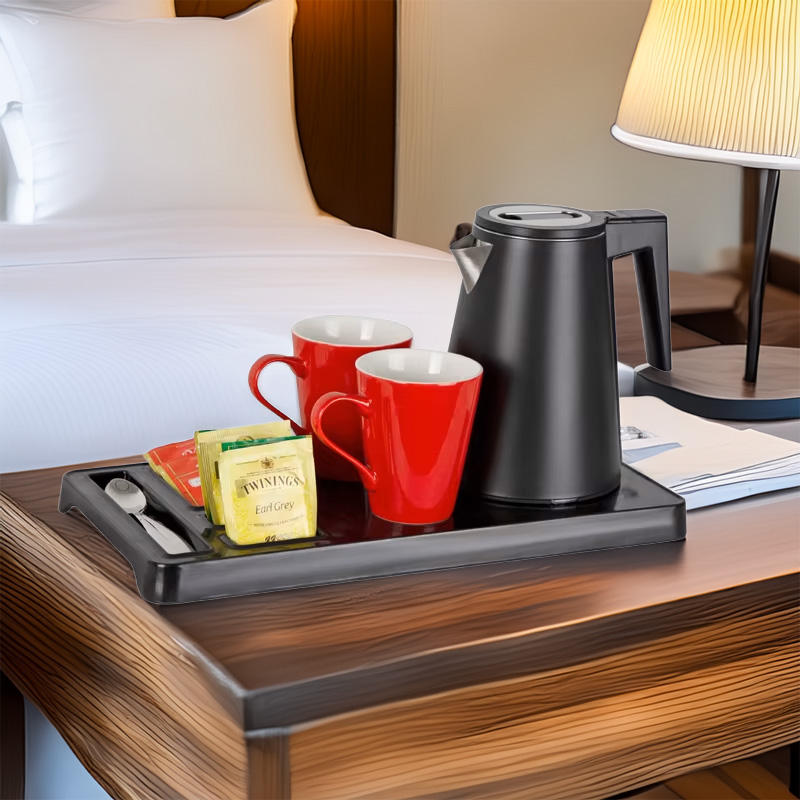
Selecting the right hospitality suppliers is one of the most critical decisions hotel managers, resort operators, and serviced apartment owners face. The quality of hospitality supplies directly impacts guest satisfaction, operational efficiency, and long-term profitability. Whether you're opening a new property or upgrading existing facilities, sourcing reliable hospitality suppliers ensures consistent service delivery and minimizes costly downtime.
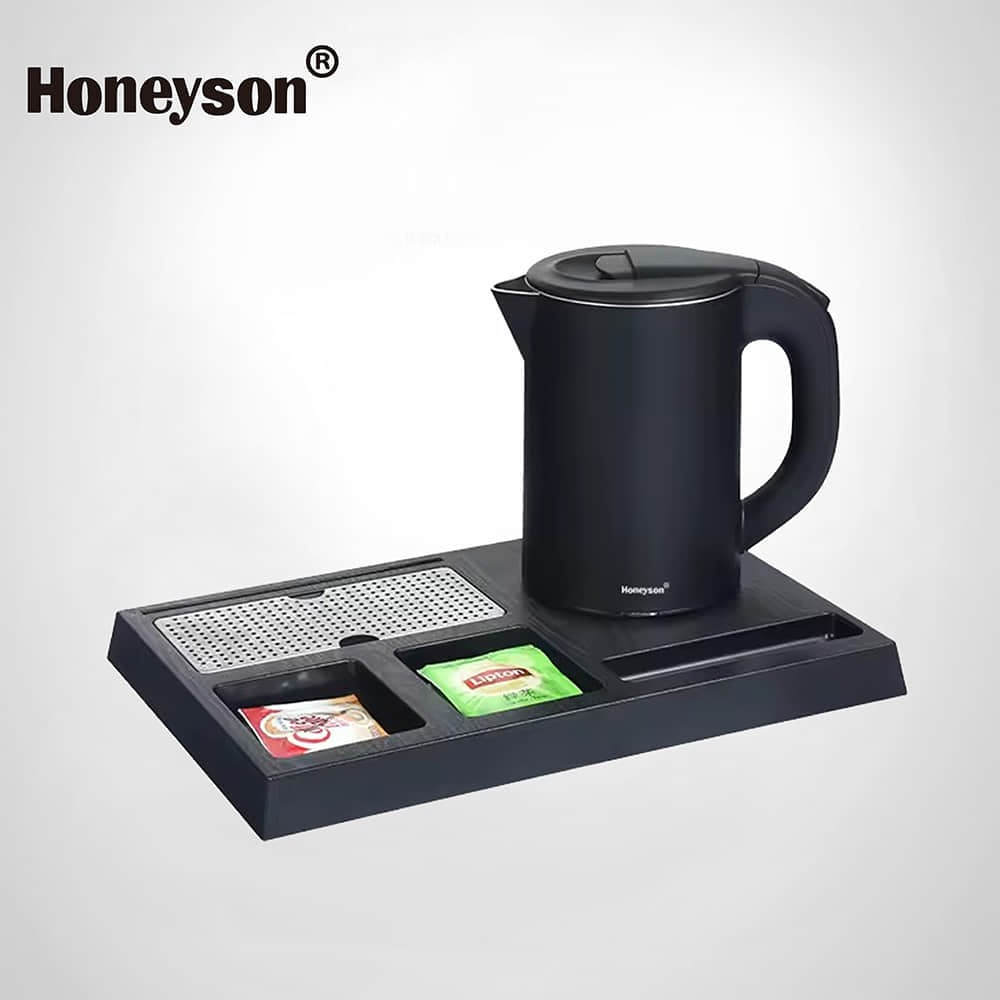
Partnering with established hospitality supplies providers allows property managers to streamline procurement, ensure product reliability, and maintain consistent guest experiences across all rooms. Quality OEM hospitality equipment and guest room equipment form the backbone of modern accommodations. This guide explores how to effectively evaluate and select hospitality suppliers that align with your operational needs, budget constraints, and brand standards.
Understanding Your Hospitality Supply Needs
Assessing Property Requirements
Every hospitality property has unique supply requirements based on guest demographics, property size, and service standards. Hotels require different hospitality supplies than resorts, and serviced apartments have distinct operational needs. Begin by conducting a thorough audit of existing guest room equipment inventory and identifying which items require replacement or upgrade. Document usage patterns, guest feedback, and maintenance issues to inform your procurement strategy.
Consider the total number of rooms, occupancy rates, and seasonal variations when calculating hospitality supplies quantities. Premium properties may prioritize OEM hospitality equipment from recognized manufacturers, while budget-focused establishments might emphasize durability and value. Understanding these parameters helps you communicate clearly with potential hospitality suppliers and receive accurate quotes aligned with your expectations.
Defining Quality and Performance Standards
Establish specific performance criteria before contacting hospitality suppliers. Quality hotel room appliances should meet international safety standards, operate reliably under continuous use, and maintain aesthetic appeal throughout their lifespan. Guest room equipment specifications should include voltage compatibility, warranty coverage, maintenance requirements, and energy efficiency ratings. Defining these standards prevents miscommunication with suppliers and ensures consistency across your procurement process.
Work with your operations team to identify which hospitality supplies are critical to guest experience and which can function as secondary amenities. This prioritization helps allocate budget effectively when negotiating with OEM hospitality equipment providers. Document all performance expectations in writing to create a clear benchmark for evaluating potential suppliers.
Evaluating Hospitality Suppliers and Manufacturers
Verifying Supplier Credentials and Experience
Reputable hospitality suppliers typically have established relationships with multiple hotel chains, resorts, and serviced apartment operators. Request references from existing clients and verify the supplier's experience with properties similar to yours. Examine whether the supplier specializes in hotel room appliances and OEM hospitality equipment, or if they are generalist distributors with limited hospitality sector expertise.
Check certifications, manufacturing partnerships, and product warranties offered by each hospitality supplies provider. Established suppliers often hold quality certifications such as ISO standards and can provide documentation proving compliance with food safety regulations for kitchen appliances. Visit potential suppliers' facilities if possible to assess their inventory management, order fulfillment capabilities, and customer service responsiveness.
Comparing Product Quality and Specifications
When evaluating guest room equipment options, request detailed technical specifications and compare performance metrics across different hospitality suppliers. Premium OEM hospitality equipment typically features superior materials, refined designs, and longer operational lifespans. Compare energy consumption ratings, noise levels, heating times, and durability ratings for common items like kettles, coffee makers, and bathroom fixtures.
Request sample units from competing hospitality supplies providers and conduct hands-on testing with your staff. This practical evaluation helps identify which hotel room appliances deliver the guest experience your property promises. Request independent quality testing reports or third-party certifications that validate the supplier's claims about their guest room equipment durability and performance.
Building Sustainable Supplier Relationships
Negotiating Terms and Volume Discounts
Volume commitments provide substantial leverage when negotiating with hospitality suppliers. Large multi-property operators can consolidate purchases to negotiate better pricing on hospitality supplies. Discuss bulk ordering minimums, payment terms, delivery schedules, and pricing consistency with potential OEM hospitality equipment partners. Some hospitality suppliers offer tiered pricing that rewards increased order volumes over time.
Beyond price, negotiate warranty terms, replacement policies for defective guest room equipment, and technical support availability. Clarify how quickly the hospitality supplies provider can fulfill rush orders or provide emergency replacements. Establish clear communication protocols and designated account managers who understand your property's ongoing needs and priorities.
Ensuring Ongoing Support and Supply Chain Reliability
A reliable hospitality supplies partnership extends beyond the initial purchase. Verify that the supplier maintains adequate inventory to fulfill reorders promptly and can accommodate unexpected demand spikes. Discuss how the supplier handles discontinued products and manages transitions to newer hotel room appliances models. Regular supply chain disruptions can force you to quickly source alternative OEM hospitality equipment at premium prices.
Establish quarterly or semi-annual reviews with your hospitality suppliers to assess satisfaction, discuss performance issues, and explore opportunities for process improvements. Strong relationships with established hospitality supplies providers often lead to early notification about product improvements, special promotions, and new guest room equipment options that align with emerging guest preferences. This collaborative approach strengthens your operational resilience and ensures consistent access to quality hospitality supplies.
FAQ
What factors should guide my choice between different hospitality suppliers?
Key factors include the supplier's experience with hospitality properties similar to yours, the quality and specifications of their hotel room appliances and guest room equipment, pricing and payment terms, warranty coverage, technical support availability, and their ability to handle emergency orders. Verify references from existing clients and ensure the hospitality suppliers can meet your volume requirements consistently. Compare OEM hospitality equipment options directly through sample testing rather than relying solely on specifications.
How can I ensure that hospitality supplies meet guest expectations and safety standards?
Request that all hotel room appliances and guest room equipment include certifications verifying compliance with international safety standards and local regulations. Establish written performance criteria before selecting hospitality suppliers and require them to provide detailed product specifications and testing documentation. Conduct sample testing with your operations team to confirm that OEM hospitality equipment functions reliably and delivers the guest experience your property promises. Regular maintenance schedules and staff training on proper equipment use further ensure consistent performance and guest satisfaction.
Should I consolidate purchasing with one hospitality supplies provider or use multiple suppliers?
Multi-property operators often benefit from consolidating most purchasing with one primary hospitality supplies provider to maximize volume discounts and streamline communication. However, maintaining relationships with 1–2 backup suppliers for specific guest room equipment categories provides supply chain resilience and competitive pricing pressure. Consolidation improves consistency across properties but diversification reduces dependency risk. Consider your property portfolio size, geographic distribution, and purchasing volume when deciding whether to work with primary hospitality suppliers exclusively or maintain multiple vendor relationships.
