
 EN
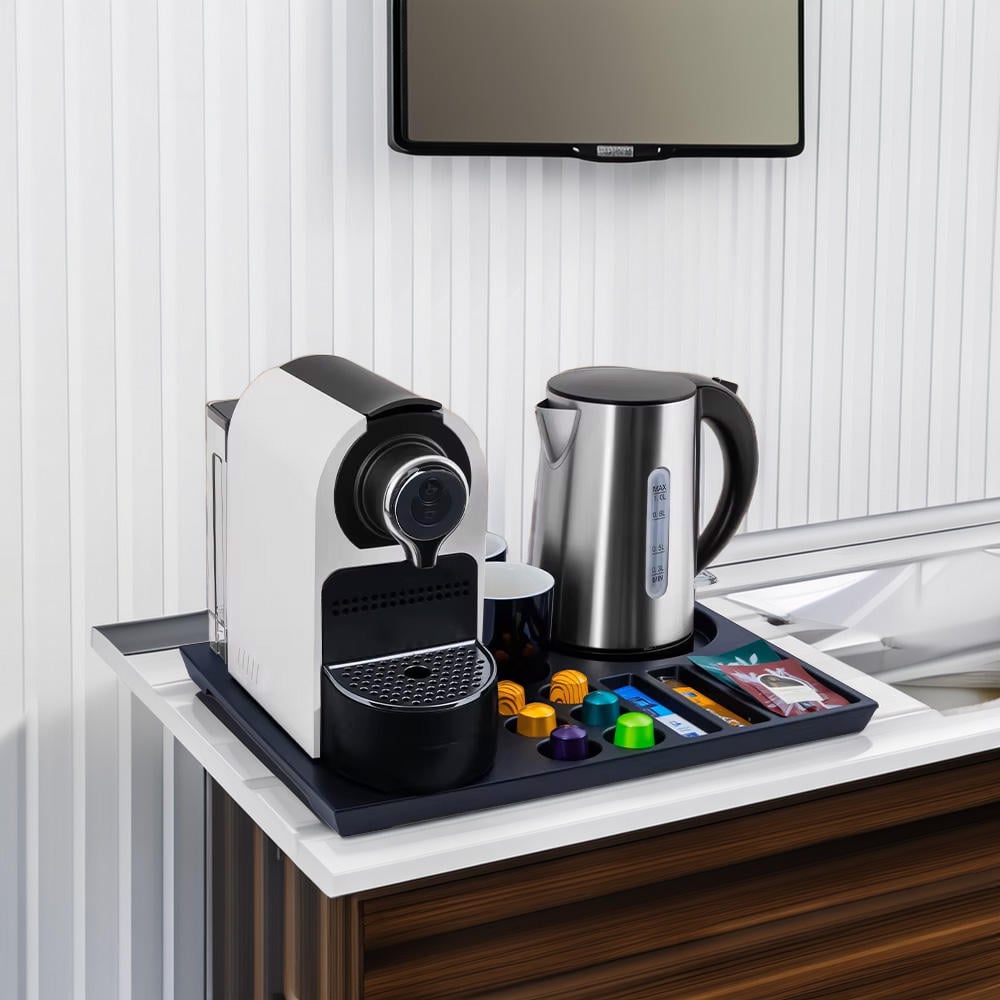
Selecting the right materials for hotel amenities is a critical decision that affects guest satisfaction, durability, and operational costs. Hotel amenities encompass everything from in-room coffee makers to bathroom fixtures, and the materials chosen directly impact longevity, maintenance requirements, and the overall guest experience. Whether you are managing a boutique property or a large hospitality chain, understanding how to evaluate plastic grades, metal finishes, and fabric options ensures your hotel amenities meet performance standards and aesthetic expectations.
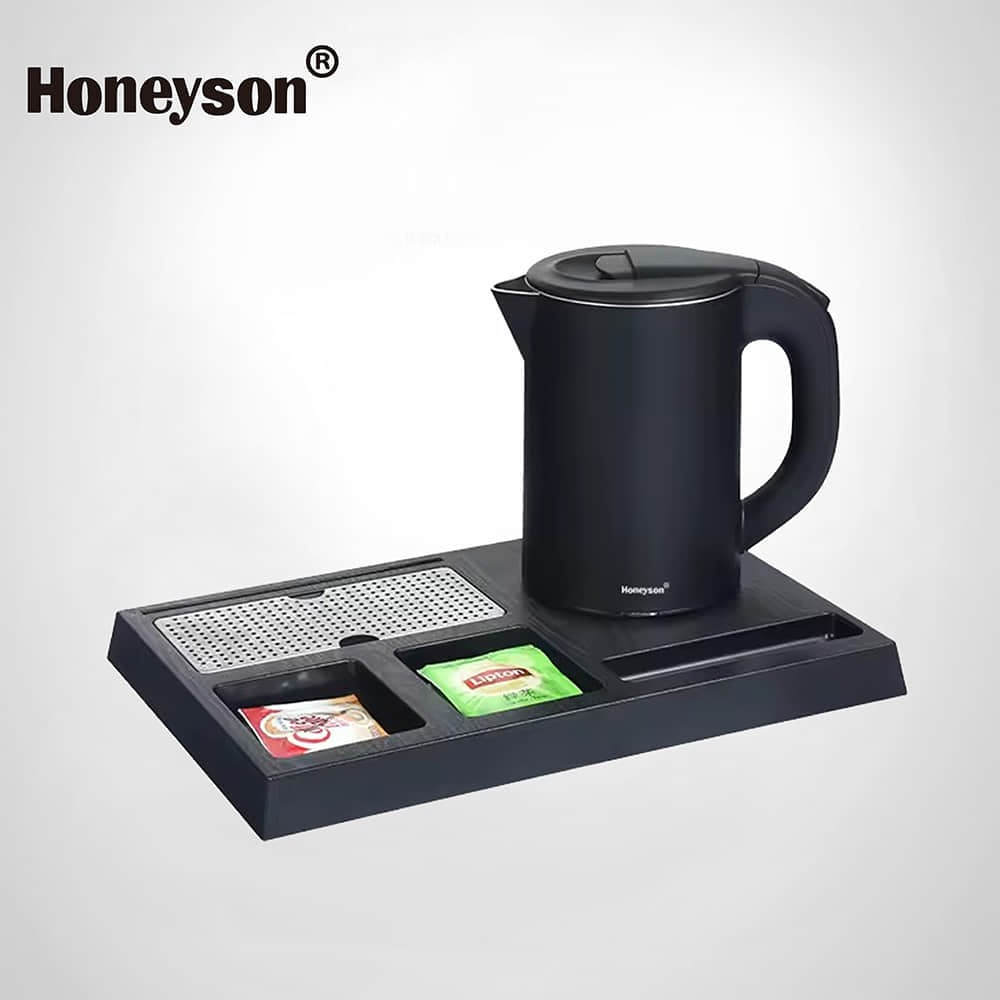
Guest room amenities require materials that balance aesthetics with practical durability. From kettle sets with trays to toiletry holders, each item must withstand frequent use, cleaning cycles, and varying environmental conditions. OEM hotel amenities sourced from manufacturers also demand careful material specification to ensure consistency across multiple properties and avoid costly replacements due to material failure.
Understanding Plastic Grades for Guest Room Amenities
Common Plastic Types and Performance Characteristics
Plastic materials form the backbone of many guest room amenities due to their cost-effectiveness, design flexibility, and lightweight properties. ABS (acrylonitrile butadiene styrene) is one of the most popular choices for hotel electrical amenities like kettle trays and bathroom organizers. ABS offers excellent impact resistance, maintains rigidity at room temperature, and resists typical staining and discoloration better than lower-grade plastics. Polycarbonate represents another premium option, delivering superior clarity, impact strength, and temperature stability for items requiring transparency or high durability.
Polypropylene (PP) is frequently selected for budget-conscious applications where weight reduction and chemical resistance matter. PP withstands repeated washing, maintains dimensional stability, and resists moisture absorption, making it suitable for bathroom accessories and storage trays. Polyethylene (PE) offers lower cost but reduced stiffness and temperature tolerance, typically reserved for lower-use amenities or temporary applications. When evaluating OEM hotel amenities, always verify that plastic grades match intended room conditions, cleaning protocols, and expected service life.
Selecting Plastic Grades Based on Use Environment
Different guest room amenities face distinct environmental challenges. High-traffic items like kettle trays and toiletry holders require higher-grade plastics such as ABS or polycarbonate to resist scratches, thermal stress, and impact from daily handling. Lower-impact amenities, such as decorative items or minimal-contact storage, can utilize PP or commodity plastics without compromising performance. Hotel electrical amenities, including kettle components and appliance housings, demand plastics with heat resistance and electrical safety certification. Always cross-reference material specifications with your property's cleaning chemicals to prevent degradation or discoloration that could damage guest room amenities over time.
Metal Finishes for Durability and Aesthetics
Stainless Steel and Corrosion-Resistant Alloys
Stainless steel (particularly 304 and 316 grades) is the industry standard for OEM hotel amenities requiring corrosion resistance, hygienic properties, and elegant appearance. 304 stainless steel offers excellent resistance to moisture, household chemicals, and mild acids found in bathroom environments. 316 stainless steel provides enhanced corrosion resistance in coastal or high-moisture properties, justifying the premium investment when saltwater exposure or aggressive cleaning chemicals are concerns. These finishes maintain their appearance through frequent polishing and cleaning, ensuring guest room amenities retain a premium aesthetic throughout their service life.
Electroplated coatings such as chrome and nickel provide cost-effective alternatives to solid stainless steel while delivering comparable visual appeal. Chrome plating adds a reflective, sophisticated finish to hotel amenities like faucet fixtures and accessory trim. However, plated finishes demand more frequent maintenance to prevent spotting and require careful handling during cleaning to avoid chipping. When selecting plated hotel electrical amenities, verify coating thickness and base metal quality to ensure longevity and guest satisfaction across multiple properties.
Specification and Maintenance Considerations
Metal finish selection directly impacts maintenance schedules and replacement costs for guest room amenities. Brushed stainless steel hides fingerprints and water spots better than polished finishes, reducing visible maintenance demands. Satin finishes on OEM hotel amenities provide a contemporary aesthetic while offering practical resistance to visible wear. Always pair metal selection with appropriate cleaning protocols and staff training to maximize finish longevity. Specify finishes that align with your cleaning frequency, chemical compatibility, and desired maintenance investment level for hotel amenities across all guest rooms.
Fabric Selection and Care Requirements
Textile Performance Standards for Hospitality
Fabrics used in guest room amenities such as slippers, robes, and bedding accessories must meet specific performance requirements including colorfastness, durability against frequent washing, and resistance to pilling and snags. Microfiber synthetic blends deliver excellent absorbency, quick-drying properties, and stain resistance, making them ideal for hotel electrical amenities packaging and premium bathroom accessories. Natural fibers like cotton offer breathability and comfort but require careful specification of weight (measured in ounces per square yard) to ensure durability through multiple hotel laundry cycles.
Blend ratios significantly affect OEM hotel amenities performance and cost. Polyester-cotton blends (typically 65/35 or 80/20) balance comfort, durability, and cost-effectiveness for everyday guest room amenities. Higher polyester ratios enhance color retention and wrinkle resistance but may reduce comfort perception. Test fabric samples through your facility's actual washing protocols before committing to large orders, as detergent type, water temperature, and drying methods directly influence guest room amenities longevity and appearance retention.
Durability and Lifecycle Planning
Fabric weight and thread count directly determine how many laundry cycles guest room amenities can withstand before visible wear appears. Hotels typically expect premium fabrics to remain visually acceptable for 50–100 washing cycles, while standard fabrics may degrade after 25–40 cycles. Calculate replacement costs and lifecycle expense when comparing fabric options for hotel amenities, as lower-cost materials may require more frequent replacement than premium alternatives. Specify fabric finishes such as soil resistance treatments and antimicrobial coatings to extend OEM hotel amenities lifespan and reduce visible degradation between replacement cycles.
FAQ
What plastic grade is best for hotel electrical amenities like kettle trays?
ABS (acrylonitrile butadiene styrene) is the preferred choice for hotel electrical amenities trays due to its excellent impact resistance, dimensional stability, and resistance to staining and discoloration. ABS withstands repeated cleaning and maintains its appearance better than lower-grade plastics like polyethylene, making it ideal for visible guest room amenities that require both durability and aesthetic appeal.
How do I choose between stainless steel 304 and 316 for OEM hotel amenities?
Choose 304 stainless steel for most standard hotel environments with regular cleaning and moderate moisture exposure. Upgrade to 316 stainless steel if your property is located in coastal areas, uses aggressive cleaning chemicals, or requires maximum corrosion resistance for long-term OEM hotel amenities performance. The premium cost of 316 is justified in high-corrosion environments where 304 may develop pitting or surface degradation over time.
What fabric blend is most cost-effective for guest room amenities like robes and slippers?
Polyester-cotton blends in 65/35 or 80/20 ratios provide the best balance of cost, durability, and guest comfort for guest room amenities. These blends resist wrinkling, retain color through repeated washing, and withstand 50–75 laundry cycles before requiring replacement. Higher polyester ratios reduce costs further but may compromise feel, while 100% cotton costs more but offers superior comfort if your property targets premium positioning.
