
 EN
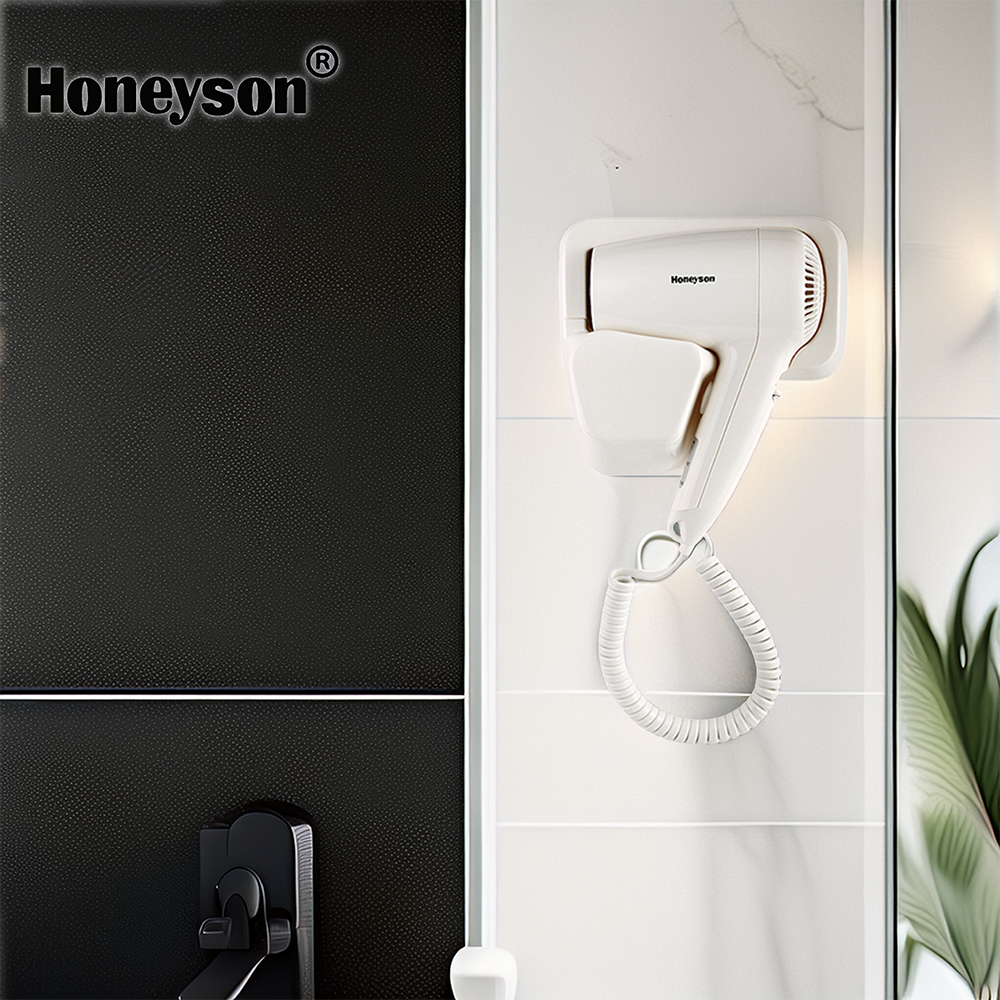
Safety standards for hotel electrical amenities vary significantly across different markets and regions worldwide. Hotels operate in a complex regulatory landscape where electrical equipment used in guest rooms must meet diverse compliance requirements depending on geographic location, local building codes, and international safety frameworks. Understanding these differences is critical for hotel operators, property managers, and manufacturers who supply guest room amenities to ensure that all electrical devices meet appropriate safety standards and protect both guests and staff from potential hazards.
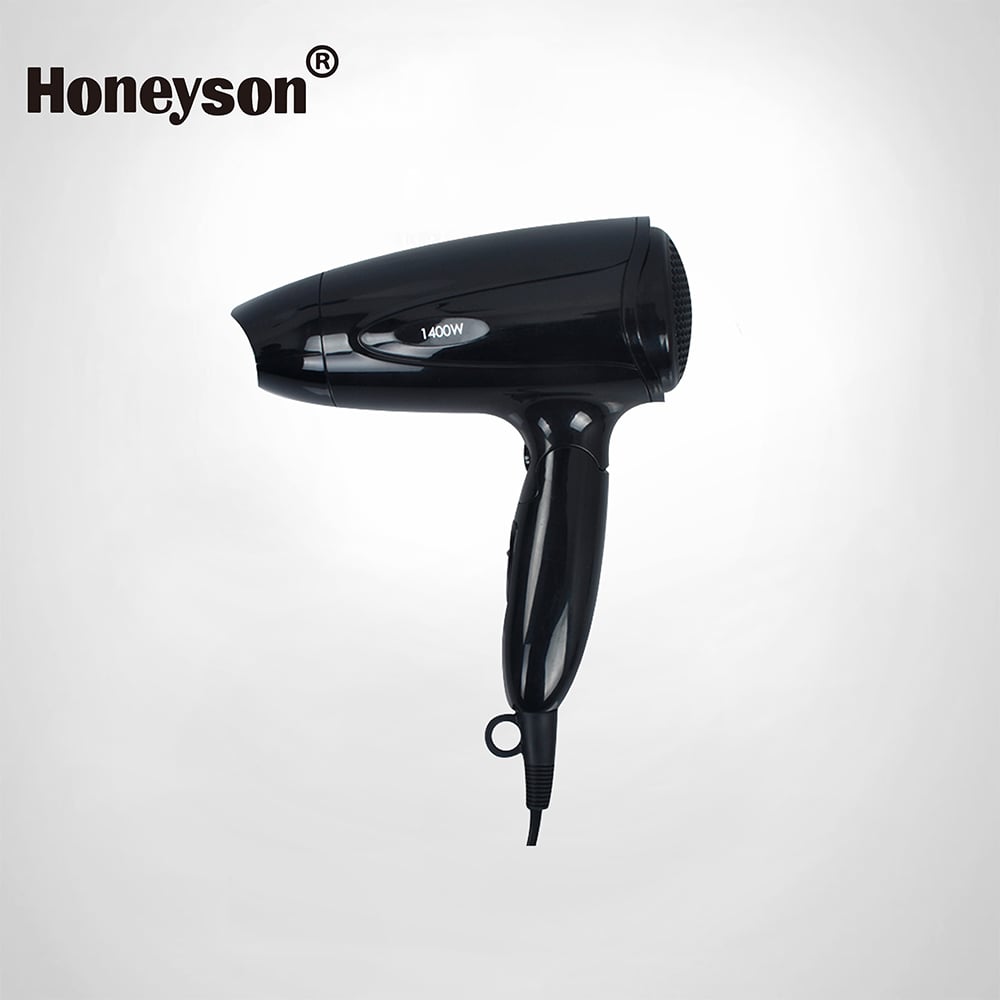
The regulatory framework governing electrical safety for hotel amenities encompasses voltage standards, grounding requirements, circuit protection systems, and specific device certifications. Different regions enforce distinct standards through their national electrical codes, with variations in testing procedures, approval processes, and ongoing compliance monitoring. Hotel electrical amenities such as hair dryers, charging stations, lighting fixtures, and bathroom ventilation systems must each comply with region-specific safety protocols that reflect local electrical infrastructure, climate considerations, and risk assessment methodologies.
Understanding Regional Electrical Standards for Guest Room Amenities
North American and European Compliance Frameworks
North America operates under the National Electrical Code (NEC) and Underwriters Laboratories (UL) certification system, which establishes rigorous testing standards for all electrical devices intended for use in hotels. Guest room amenities sold in the United States and Canada must undergo UL testing and bear appropriate certification marks. Europe employs the CE marking system and adheres to IEC (International Electrotechnical Commission) standards, with individual countries also maintaining national codes. These frameworks differ fundamentally in voltage specifications, grounding methodologies, and circuit protection requirements, meaning a hair dryer certified for North American hotel electrical amenities may require redesign to meet European guest room amenities standards.
Asian and Emerging Market Requirements
Asian markets present additional complexity in hotel amenities regulation. China, Japan, and Southeast Asian nations each maintain distinct electrical codes and certification bodies. OEM hotel amenities manufacturers must navigate varying voltage systems—some regions use 110V, others 220V—and different frequency standards that affect motor-driven devices. Some emerging markets have less stringent testing requirements than developed nations, creating challenges for international hotel chains seeking to standardize guest room amenities across properties. This fragmentation means that a single electrical amenity design often requires multiple product versions and certifications to serve diverse geographic markets effectively.
Key Safety Differences in Electrical Amenity Design and Installation
Voltage, Grounding, and Protection Specifications
The most fundamental difference affecting hotel electrical amenities involves voltage and grounding systems. North American standards typically operate at 120V/60Hz with three-prong grounding configurations, while European and many Asian systems use 220-240V/50Hz with different plug designs. OEM hotel amenities must incorporate appropriate voltage conversion or region-specific manufacturing to maintain safety integrity. Ground fault circuit interrupter (GFCI) protection requirements also differ significantly; North American codes mandate GFCI protection in bathroom receptacles where guest room amenities like hair dryers are used, while some other regions employ different protection strategies such as RCD devices or alternative approaches to electrical hazard mitigation.
Testing, Certification, and Documentation Requirements
Hotel amenities undergo mandatory testing protocols that vary by region. UL-certified guest room amenities in North America must pass specific leakage current tests, insulation resistance evaluations, and mechanical durability assessments. European CE-marked hotel electrical amenities follow EN standards that may emphasize different risk factors or testing sequences. Manufacturers must maintain detailed technical documentation, test reports, and compliance certificates for each market. Some hotel chains require additional third-party audits beyond basic certification, particularly for critical amenities. This documentation burden means that international OEM hotel amenities suppliers must manage multiple certification streams and maintain compliance records across all served markets simultaneously.
Practical Implementation and Compliance Strategy for Hotels
Site-Specific Electrical Infrastructure and Amenities Integration
Hotels must ensure that installed electrical amenities match their building's electrical infrastructure and local codes. A property in Europe cannot simply install North American-specification guest room amenities without proper conversion equipment and electrical system modifications. Local electricians and building inspectors verify that hotel electrical amenities installation complies with regional safety codes, including proper circuit sizing, outlet placement, and protective device coordination. The specific layout of guest room amenities—such as the distance between receptacles and water sources like sinks and showers—is governed by regional codes that hotels must follow during renovation or new construction phases.
Staff Training and Maintenance Protocols
Maintenance and housekeeping staff must understand regional electrical safety protocols for the specific guest room amenities present in their properties. Training programs should address the unique characteristics of electrical amenities installed in each market, proper inspection procedures, and when to remove non-compliant or damaged devices from service. Hotel electrical amenities require periodic inspection and testing to maintain certification compliance throughout their operational lifespan. Staff must recognize signs of electrical hazards such as damaged cords, improper grounding, or unauthorized modifications to OEM hotel amenities that could create safety risks for guests.
FAQ
Why do safety standards for hotel electrical amenities differ between regions?
Safety standards differ because each region developed its electrical codes based on local infrastructure, climate conditions, historical incidents, and risk assessment methodologies. North American systems evolved around 110V/60Hz infrastructure, while European systems use 220V/50Hz, requiring fundamentally different device designs. Regulatory bodies in each region conduct independent research and establish standards they believe best protect their populations, resulting in divergent requirements for guest room amenities, testing procedures, and certification processes.
Can a hotel use the same electrical amenities across all international properties?
Most hotels cannot use identical hotel electrical amenities across all international properties due to voltage differences and regional certification requirements. While some OEM hotel amenities manufacturers produce dual-voltage versions of devices like hair dryers, not all equipment can be easily adapted. Large hotel chains typically maintain regional procurement strategies, sourcing guest room amenities that comply with local standards. Some international properties adopt a hybrid approach, providing voltage converters for guest use alongside locally compliant hotel amenities, though this introduces additional complexity and potential guest confusion.
What compliance documentation should hotels maintain for electrical amenities?
Hotels should maintain certification documents, test reports, and technical specifications for all installed electrical amenities, organized by region and property. Documentation should include OEM hotel amenities manufacturer certifications, compliance certificates from recognized testing bodies, installation records, and maintenance logs. This documentation serves regulatory inspectors, insurance auditors, and internal compliance teams. When guest room amenities are replaced or updated, hotels must retain historical records and ensure new replacements carry appropriate certifications for their specific market location.