
 EN
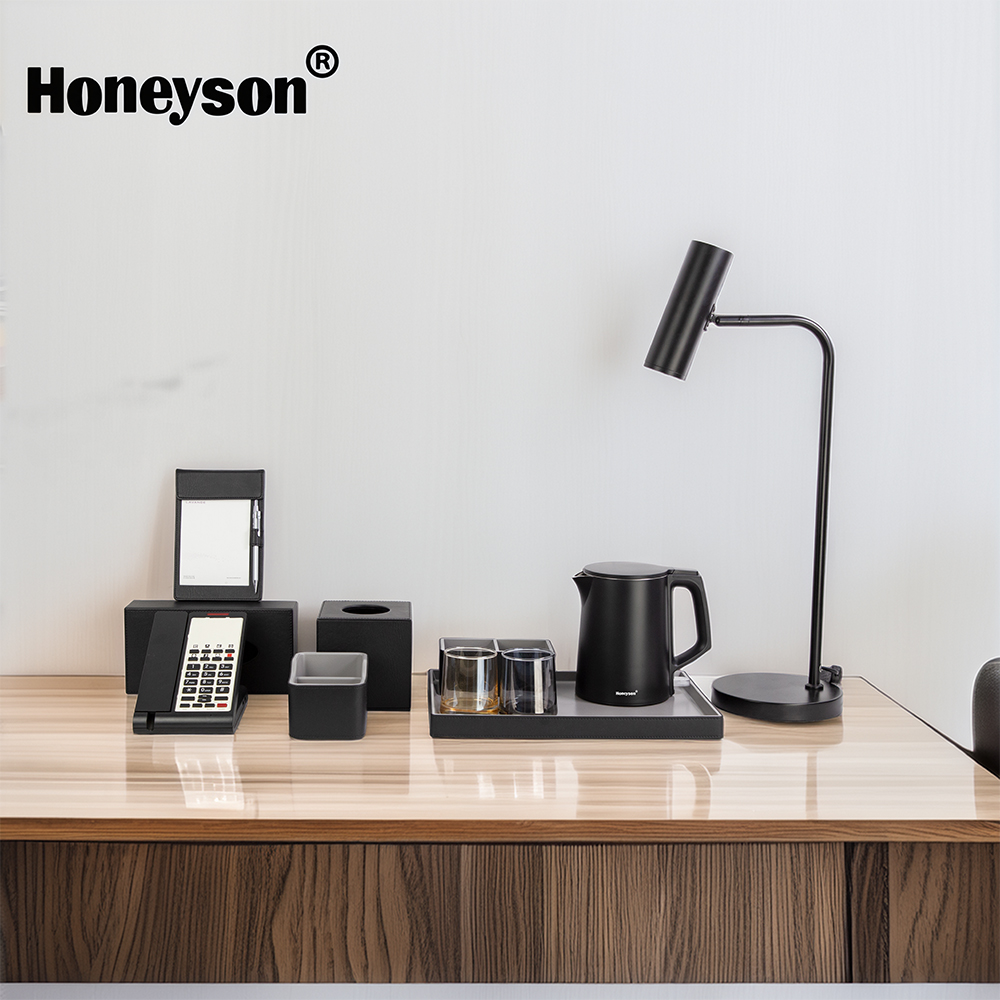
Quality inconsistencies between hotel amenities samples and bulk production represent one of the most persistent challenges in hospitality procurement. When hotel operators receive sample units that exceed the quality of delivered bulk hotel amenities, the disconnect threatens guest satisfaction, operational credibility, and return on investment. Understanding the root causes and implementing systematic verification processes can help procurement teams identify and eliminate these gaps before they impact guest experience or generate costly complaints.
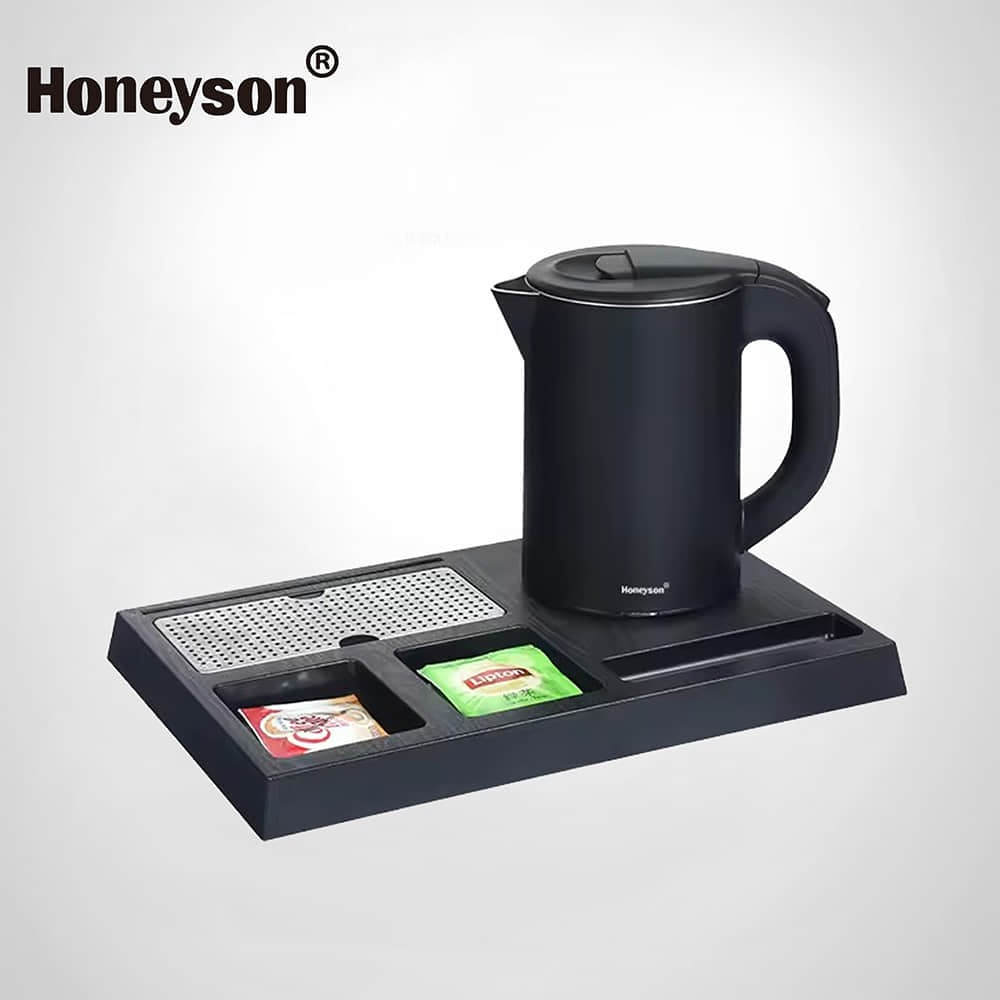
The variation between samples and production runs of hotel amenities often stems from multiple sources. Suppliers may allocate their highest-quality materials to sample units, apply stricter quality controls during initial manufacturing, or employ skilled technicians for prototype assembly. When bulk orders commence, production pressures, cost optimization, and staffing changes can create measurable differences in materials, construction, finishing, and functionality. Recognizing these patterns and establishing preventative purchasing strategies is essential for maintaining consistency across all hotel amenities throughout the guest experience.
Identifying Quality Variations in Sample-to-Bulk Production
Common Material and Construction Discrepancies
Material substitution stands as a primary driver of quality gaps in hotel amenities bulk orders. Hotel amenities samples often feature premium components, higher-grade plastics, reinforced hinges, or superior electrical connectors that demonstrate what the product can achieve at its best. During production scaling, suppliers may shift to lower-cost alternatives that meet minimum specifications but lack the durability or aesthetic appeal of sample units. Visual inspection alone cannot always detect these differences, particularly in internal components or integrated electrical systems where OEM hotel amenities standards demand consistent performance across entire shipments.
Construction tolerances represent another critical area where samples and bulk goods diverge. Hotel amenities sample units typically benefit from hand assembly or small-batch production runs where technicians can address manufacturing imprecisions individually. Bulk production of hotel amenities introduces automated processes, higher throughput requirements, and reduced per-unit attention. This translates into wider dimensional variations, inconsistent seam quality, uneven surface finishes, and alignment issues that may not violate technical specifications but create noticeable visual and tactile differences. Hotel amenities in high-volume orders frequently exhibit these tolerance drift patterns, particularly in items like kettles, trays, and electrical devices where assembly precision directly affects user perception.
Surface Finishing and Aesthetic Quality
Surface finishing quality demonstrates perhaps the most visible gap between samples and production units of hotel amenities. Sample units often receive enhanced polishing, protective coatings, or manual buffing that creates a premium appearance. Bulk production may use faster industrial processes that achieve acceptable but less refined finishes. Stainless steel hotel amenities might show water marks, fingerprints, or micro-scratches in bulk deliveries while samples remain pristine. Plastic surfaces may exhibit slight discoloration, visible mold marks, or texture inconsistencies. These aesthetic gaps directly influence guest perception of hotel amenities value and cleanliness, making surface quality a critical measurement point during sample validation and bulk acceptance testing.
Root Causes and Supply Chain Factors
Supplier Production Optimization and Cost Pressures
Suppliers face natural pressure to optimize bulk production for cost efficiency, and this economic reality drives many quality gaps between samples and delivered hotel amenities. Initial hotel amenities samples represent marketing and relationship-building investments where suppliers invest additional time and materials to create favorable impressions. Volume production introduces competing priorities: meeting delivery schedules, reducing per-unit labor costs, minimizing material waste, and maximizing throughput. A supplier might produce fifty units per day during sample development but accelerate to five hundred units per day during bulk manufacturing. This acceleration inherently reduces individual inspection time and increases the likelihood of substandard units reaching shipment. OEM hotel amenities producers often operate on thin margins, making cost reduction a survival strategy rather than an intentional quality compromise.
Procurement timelines also contribute to quality variability in hotel amenities orders. Rushed bulk orders for hotel amenities prevent suppliers from implementing improved processes or sourcing better-quality materials. When hotel operators request expedited delivery of large quantities following positive sample experiences, suppliers may accelerate production without corresponding quality enhancements. This creates a paradox where success with samples actually accelerates the bulk order timeline, compressing the supplier's ability to maintain sample-level quality across the entire production run.
Quality Control Checkpoint Erosion
Hotel amenities sample production typically involves comprehensive quality control at every assembly stage. Engineers inspect components before assembly, monitor assembly processes, and conduct final testing on every sample unit. When scaling to bulk production, this labor-intensive approach becomes economically impractical, so suppliers implement statistical sampling and automated testing instead of 100 percent inspection. A supplier might inspect one of every fifty units rather than all hotel amenities in a shipment. While statistically valid sampling works well for identifying systemic defects, it permits individual defective units to slip through, particularly when quality variation exists only at the margins of acceptable tolerances. This checkpoint erosion between sample-level quality control and bulk production testing creates systematic quality gaps that affect hotel amenities consistency.
Verification Strategies and Preventative Measures
Enhanced Sample Evaluation and Production Documentation
Effective troubleshooting begins with comprehensive sample evaluation that creates a documented quality baseline for bulk production. Rather than conducting visual approval of samples, procurement teams should photograph hotel amenities samples under standardized lighting, document dimensions and weight, record operational characteristics, and preserve samples for direct comparison to bulk shipments. This creates an objective reference standard that transcends subjective impressions or changes in personnel. When bulk hotel amenities arrive, side-by-side comparison against preserved samples quickly reveals material changes, construction differences, and surface quality variations in hotel amenities.
Requiring hotel amenities suppliers to document production processes and material specifications during sample development establishes accountability for maintaining those same specifications during bulk manufacturing. Procurement agreements should mandate that bulk orders utilize identical materials, components, assembly processes, and quality control procedures as those used for approved samples. When OEM hotel amenities producers agree to these terms in writing, they commit to maintaining sample-level quality standards. This documentation becomes a powerful verification tool when bulk hotel amenities fail to meet agreed specifications, creating contractual grounds for rejection or renegotiation.
Staged Bulk Delivery and In-Process Acceptance Testing
Rather than accepting entire bulk shipments simultaneously, procurement teams should negotiate delivery in stages, with formal quality acceptance gates between stages. Initial partial deliveries of hotel amenities allow inspection of early production units before the supplier invests in completing the full order. If quality gaps emerge in the first stage, suppliers can adjust processes before manufacturing additional units. This approach costs more in logistics and requires scheduling flexibility, but it prevents the situation where tens of thousands of substandard hotel amenities arrive at once, forcing expensive remediation or guest-facing quality compromises. Staged delivery of hotel amenities converts potential disasters into manageable quality issues where corrections still lie within supplier control.
In-process acceptance testing of hotel amenities should include functional verification beyond visual inspection. Electrical components should be tested for safety compliance and performance consistency. Mechanical components should be cycled through operational use cycles to verify durability and functionality. Surface materials should be tested for staining resistance and durability. These tests validate that bulk hotel amenities maintain sample-level functionality, not merely sample appearance, ensuring that hotel amenities genuinely deliver the performance guests expect based on their initial impression.
FAQ
Why do samples of hotel amenities often exceed the quality of bulk orders?
Hotel amenities suppliers invest heavily in sample quality as a marketing tool and relationship builder, often using premium materials and hand assembly techniques. When scaling to bulk production, automated processes, cost optimization, and production pressures create efficiency gains that may reduce per-unit quality. Samples receive individualized attention while bulk hotel amenities rely on statistical sampling and faster throughput, naturally creating quality gaps in hotel amenities delivery.
What specific measurements should procurement teams use to detect quality gaps between samples and hotel amenities bulk goods?
Effective hotel amenities measurement includes photographic documentation of samples under consistent lighting, precise dimensional recording, functional testing of electrical and mechanical components, surface finish assessment under standard inspection conditions, and direct side-by-side comparison of bulk units against preserved samples. These objective measurements reveal material substitutions, construction tolerance shifts, and finishing quality variations in hotel amenities that subjective visual approval alone might miss.
How can hotel operators prevent quality gaps when ordering bulk quantities of OEM hotel amenities?
Operators should negotiate staged bulk deliveries of hotel amenities with quality acceptance gates between stages, require suppliers to document production specifications matching sample development processes, conduct in-process functional testing of early shipment units, and preserve samples for comparative analysis. Including quality maintenance clauses in procurement contracts and maintaining open communication with suppliers throughout production transforms suppliers' incentives from speed-focused to quality-focused, protecting hotel amenities consistency.
Table of Contents
- Identifying Quality Variations in Sample-to-Bulk Production
- Root Causes and Supply Chain Factors
- Verification Strategies and Preventative Measures
-
FAQ
- Why do samples of hotel amenities often exceed the quality of bulk orders?
- What specific measurements should procurement teams use to detect quality gaps between samples and hotel amenities bulk goods?
- How can hotel operators prevent quality gaps when ordering bulk quantities of OEM hotel amenities?
