
 EN
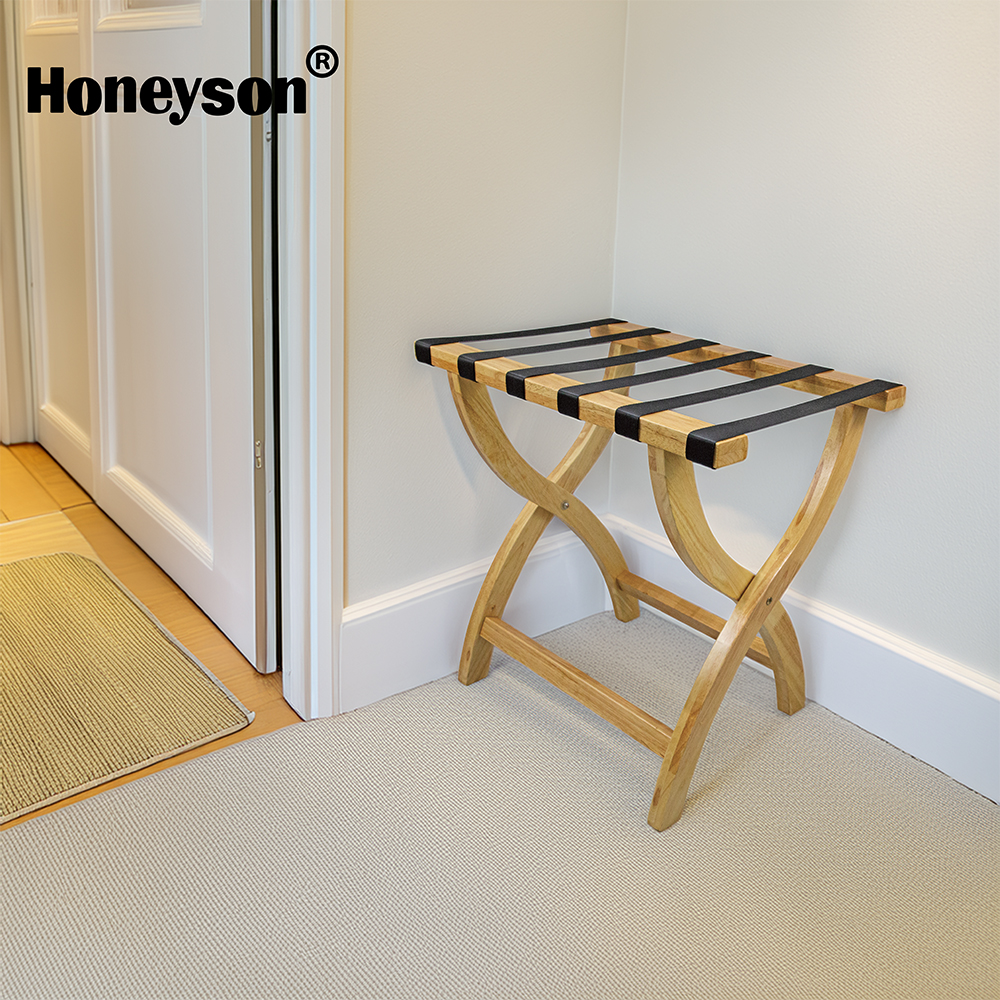
Wooden luggage racks are essential furniture pieces in hospitality environments, yet their susceptibility to humidity and moisture damage often goes overlooked during the procurement process. Hotels operating in coastal regions, near water features, or in climates with high seasonal humidity face particular challenges when selecting wooden luggage rack options. Understanding the material treatments that protect wood from moisture absorption, warping, and degradation is critical for making informed purchasing decisions that extend asset lifespan and maintain guest satisfaction.
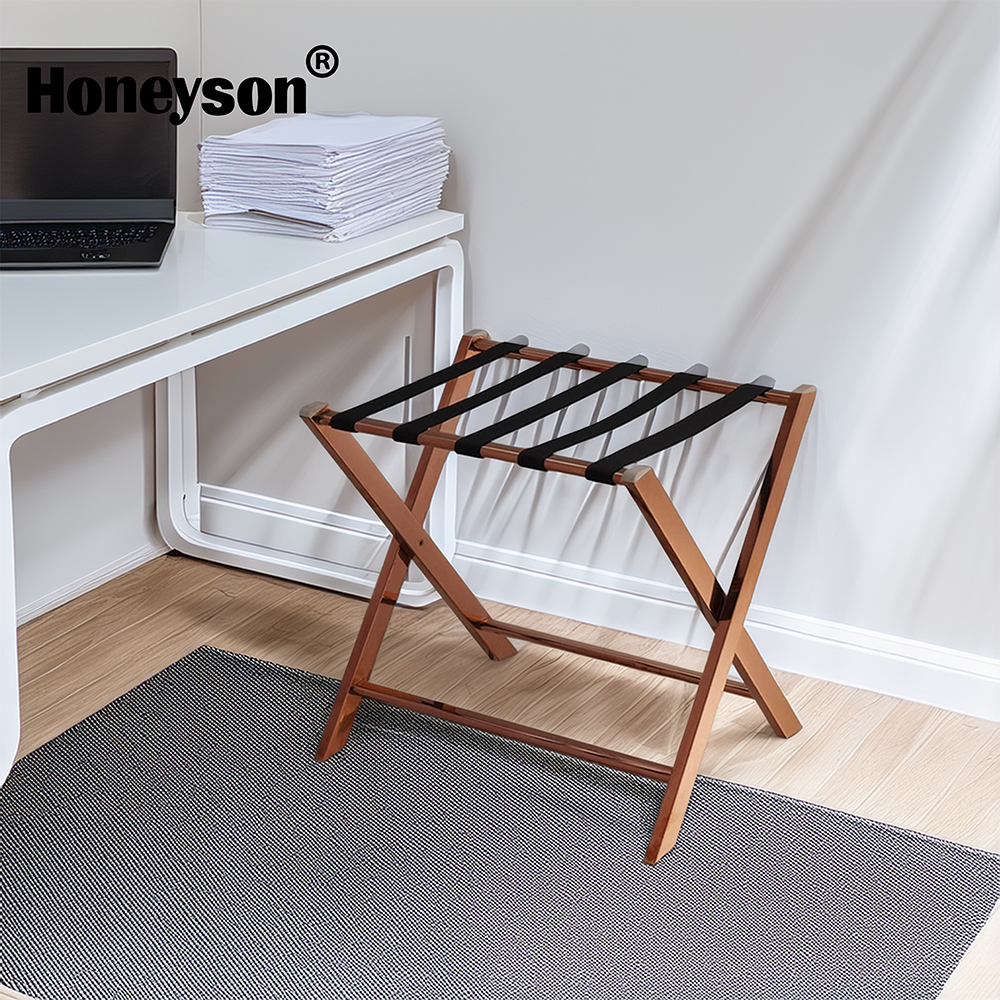
When evaluating a hotel luggage rack supplier or OEM luggage rack manufacturer, hospitality professionals must ask targeted questions about protective coatings, wood species selection, and drying protocols. A folding luggage rack that arrives without proper humidity defense will deteriorate rapidly in tropical properties or high-traffic bathrooms where steam from showers creates constant moisture exposure. This guide explains the material treatment specifications hotels should demand from any OEM luggage rack vendor and why humidity management directly impacts your total cost of ownership.
Understanding Wood Degradation in High-Humidity Hotel Environments
How Moisture Damages Wooden Luggage Racks
Wood is hygroscopic, meaning it naturally absorbs and releases moisture to reach equilibrium with surrounding air. In hotel environments where humidity levels fluctuate between 50% and 80%, wooden luggage rack frames swell and shrink repeatedly. This constant expansion and contraction causes joints to loosen, finishes to crack, and structural integrity to fail. When moisture penetrates untreated wood, it also creates an ideal environment for mold growth, mildew, and wood-rot fungi that stain surfaces and compromise safety.
A hotel luggage rack that begins life pristine will show visible damage within months if moisture protection is inadequate. Joints separate, veneers bubble, and the entire piece becomes unstable. Guests may experience wobbling racks that fail to securely hold heavy luggage, creating liability concerns. By contrast, a properly treated folding luggage rack maintains dimensional stability, preserving both appearance and functionality throughout its service life.
Identifying Vulnerable Design Elements
The OEM luggage rack construction details that matter most in humid climates include wood species, joint fastening methods, and finish thickness. Softwoods like pine and fir absorb moisture more readily than hardwoods such as oak or maple. Cross-grain construction—where wood grain runs in different directions across joints—creates stress points where moisture enters. Exposed wood ends and inadequately sealed joint gaps become pathways for humidity penetration that accelerates damage. Hotels purchasing an OEM luggage rack should request detailed specifications showing wood selection rationale and joint sealing protocols.
Material Treatments That Protect Wooden Luggage Racks
Protective Coatings and Sealers
The most effective defense against humidity involves applying protective surface coatings that reduce moisture vapor transmission. Marine-grade polyurethane finishes create moisture-resistant barriers on wooden luggage rack surfaces, typically reducing water absorption by 70% to 85% compared to unfinished wood. Conversion varnishes and catalyzed lacquers provide superior protection by chemically bonding to wood fibers, creating impermeable barriers that prevent both liquid water and vapor from penetrating. Hotels asking vendors about their hotel luggage rack finish specifications should request information on mil-thickness measurements and testing standards that verify moisture protection claims.
Beyond surface coatings, penetrating sealers like tung oil and Danish oil soak into wood grain while maintaining a natural appearance. These treatments work best for decorative wooden luggage rack pieces where finish visibility matters aesthetically but provide less protection than film-forming coatings. A quality OEM luggage rack manufacturer should offer options including unfinished wood, sealed wood, and fully finished solutions, allowing hotels to select protection levels matching their operational environment and aesthetic preferences.
Wood Species and Pre-Treatment Processing
Selecting the right wood species is foundational to humidity resistance in a folding luggage rack or any hotel luggage rack application. Teak, cedar, and mahogany contain natural oils that resist moisture and decay, making them ideal for high-humidity environments despite higher material costs. Engineered wood products like marine-grade plywood and laminated compositions bond wood fibers with moisture-resistant adhesives, creating dimensional stability superior to solid wood alternatives. When evaluating OEM luggage rack options, hotels should confirm whether suppliers use pressure-treated wood, kiln-dried lumber, or stabilized engineered materials.
Pre-treatment processing involves moisture equilibration where wood is acclimated to specific humidity levels before manufacturing begins. This ensures the luggage rack reaches a stable moisture content before protective finishes are applied, preventing post-finish absorption that would compromise coating effectiveness. Quality OEM luggage rack manufacturers condition materials in climate-controlled environments for weeks or months, absorbing this cost to deliver products that perform reliably in hotel environments. Hotels should ask vendors about their material conditioning protocols and whether they maintain documentation showing equilibrium moisture content specifications.
Joint Construction and Hardware Protection
Joints represent critical failure points in wooden luggage rack structures under humidity stress. Mortise-and-tenon joints sealed with moisture-resistant wood glues provide superior integrity compared to screwed or doweled connections. Stainless steel hardware prevents corrosion in humid environments where moisture accelerates rust formation on standard steel fasteners. A folding luggage rack requiring heavy use benefits from reinforced corner blocks sealed on all surfaces, preventing moisture from accumulating in joint voids where fungi and decay microorganisms thrive. When specifying a hotel luggage rack from any manufacturer, request details on joint sealing methods, hardware specifications, and load-testing documentation proving structural integrity under expected usage patterns.
Procurement Questions Hotels Must Ask OEM Suppliers
Evaluating Vendor Responses on Material Treatment
When sourcing a hotel luggage rack or folding luggage rack from OEM manufacturers, specific vendor questions reveal commitment to humidity protection. First, ask about wood species selection and why particular materials were chosen for your climate zone. Request moisture content specifications measured at time of manufacturing, typically 8% to 12% for furniture destined for heated indoor environments. Ask whether the OEM luggage rack undergoes accelerated humidity testing following standards like ASTM D2247, which simulates months of humidity exposure in controlled conditions. Vendors who cannot provide test data or material certifications may be cutting corners on protective treatments.
Second, inquire about coating application methods and film thickness specifications. Quality OEM luggage rack manufacturers apply finishes in controlled facilities using spray application or dipping processes that ensure uniform coverage. Ask whether coatings meet low-VOC environmental standards while maintaining moisture protection—many eco-friendly finishes compromise durability if not properly formulated. Third, request warranty information specifying coverage for finish failure, wood warping, and joint separation in humid environments. A hotel luggage rack backed by genuine warranty protection reflects manufacturer confidence in humidity resistance performance.
Assessing Long-Term Value in Procurement Decisions
Total cost of ownership for a wooden luggage rack extends far beyond initial purchase price. Frequent replacement cycles driven by humidity damage, labor costs for repairs and refinishing, and lost guest satisfaction from deteriorating furniture damage profitability significantly. A quality OEM luggage rack treated to withstand humidity may cost 30% to 50% more initially but delivers 5-7 years of reliable service compared to 2-3 years for untreated alternatives. Hotels making procurement decisions should calculate replacement frequency, maintenance labor, and reputation impacts rather than focusing narrowly on unit cost. Quality hotel luggage rack manufacturers often provide bulk pricing, extended payment terms, and logistics support that reduce true acquisition costs despite higher per-unit pricing.
FAQ
What humidity level causes damage to wooden luggage racks?
Wooden luggage rack deterioration accelerates when indoor humidity consistently exceeds 60% relative humidity. At 65-75% humidity, moisture absorption causes visible swelling, finish cracking, and joint separation within 6-12 months for untreated wood. Properly treated hotel luggage rack pieces with quality sealers and moisture-resistant finishes tolerate sustained humidity up to 75-80% without significant degradation, though ventilation and climate control remain important for protecting both the luggage rack and overall building integrity.
How often should hotels refinish wooden luggage racks in humid climates?
Quality OEM luggage rack pieces finished with marine-grade polyurethane or catalyzed lacquers typically require refinishing every 5-7 years in standard humid hotel environments. Coastal properties or facilities with poor ventilation may need refinishing every 3-4 years. A folding luggage rack experiencing visible finish wear, water marks, or soft spots indicating finish failure should be refinished immediately to prevent moisture penetration into wood substrate. Regular inspection and preventive maintenance prove more cost-effective than reactive refinishing after major damage occurs.
Can all wooden luggage racks be treated for humidity resistance after purchase?
Most wooden luggage rack pieces can receive post-purchase protective treatments, though effectiveness varies depending on existing finish conditions. A hotel luggage rack already finished with incompatible coatings may require complete stripping before new moisture-protective finishes can be applied, increasing labor costs significantly. OEM luggage rack manufacturers recommend protecting wood during original manufacturing when quality control ensures uniform coating application and proper surface preparation. Post-purchase treatments work best as maintenance renewals rather than primary protection, making upfront vendor selection regarding moisture treatment specifications far more cost-effective than retrofitting existing inventory.
